Don’t Owe You A Thang

Sometimes hype exists for a reason.

The last Foo Fighters album has – in my opinion – one turd on ii: What Did I Do? / God As My Witness. However, that song features a guitar solo that saves it from being complete tosh. I found out that that solo is thanks to Gary Clark Jr. I mentioned in my blog about the album how when it came to recording it, Grohl says that Clark:

…walked into the studio and didn’t even bring a guitar. He just took one from Pat Smear – Pat hadn’t even played it yet and it still had a tag on it – and does three takes and that’s it. Pat said, “Just fuckin’ keep it.”

IMG_4017So who’s Gary Clark Jr? I asked myself. A little browsing revealed a lot of hype. A little listening on Spotify revealed that hype to be justified, I listened to a snatch of last year’s Live album and my leg couldn’t stop from bouncing.

This guy is amazing. End of.

I grabbed the album on vinyl this weekend, it’s played through a couple of times. I’ve got it in the car. My little son dances away every time he hears a bit of it.

Bluesy virtuoso, undoubtedly likely to continue drawing comparisons to Hendrix but with – for my money – a better voice and less anger / destructiveness (not that you’ll ever hear me fault Jimi). Damn fine natural guitarist.

I know already that this is going to be one of the albums I listen to a LOT this year.

Tracks: Taillights Fade

scan0151October 2000 and I’m a relatively regular reader of Uncut Magazine, scouring their Unconditionally Guaranteed CD each month for the one or two tracks that will make me sit up and pay attention as is usually the way with such free, on-the-cover comps. There’s only one track on this one, though but I fell in love with it and promptly ordered the album it was pulled from. It was Taillights Fade by Buffalo Tom.

A three-piece from Boston, Buffalo Tom got going in the mid-eighties. Their first two albums were produced by (and featured the odd guitar line from)Dinosaur Jr’s J Mascis. It’s safe to say they got a second-go-around following the surge in interest in ‘alt-rock’ in the early nineties and their third album Let Me Come Over not only marked an increase in popularity but a change in sound; less fuzz, sharper lyrics, a clearer sound and melodies you could hang your hat on. In the nineties they crafted hugely powerful, deftly-written songs, each subsequent album containing a strong blend of crunching rockers and delicate acoustics with soulful and intelligent lyrics sewn into songs that make you wonder how the hell they weren’t huge singles.

Taillights Fade is taken from that big-leap-forward third album.

From the sound of the hand slipping up the neck I was hooked. From a gentle strum behind the lead figure to a fuller throttle thump, this song builds and builds, adding more with every listen.  It’s a lovelorn song with one hell of a tune. In fact everything about this song – from the music to the lyrics to the mix is spot-fucking-on.

$_57

Sister, can you hear me now
The ringing in your ears
I’m down on the ground
My luck’s been dry for years

I’m lost in the dark
And I feel like a dinosaur
Broken face and broken hands
I’m a broken man

I’ve hit the wall, I’m about to fall
But I’m closing in on it
I feel so weak on a losing streak
Watch my taillights fade to black

Sadly – at least for seven years until returning with Three Easy Pieces – by the time I got my ears wrapped around this,  they were done as a band. Typical timing on my behalf but it meant I was able to go on and complete the back catalogue. While this song opened doors into their cannon for me, Asides From is almost certainly the most played album within my collection and one I whole heartedly recommend getting hold of as a starting point.

Enjoy, again:

Back in 2014

I’m always late with these things. It’s probably for two reasons – well three…. I see too many people giving their “Top Albums of the Year” lists when, really, who cares?…. I think the timing of too many of those lists means great albums released as the year draws to a close don’t get that little bit more exposure by inclusion and albums released in the early stages tend to be forgotten come December. Thirdly… well, life keeps me busy.

However…

I listened to a lot in 2014 and plenty of new music within that lot. Pretty sure it was a good growth year for my vinyl collection too as I tried, for the most part, to stick with vinyl when it came to buying new music.

There were a couple of instances where I’m glad I didn’t shell out for the black circle though…

Two big names released new albums this year and, despite initial expectations, I was left a little disappointed by both. I’ve mumbled enough on the let down of Springsteen’s High Hopes here. It still holds, I’ve not gone back and listened to it and discovered any hidden layers since. That it made Number 2 on Rolling Stones’ albums of the year list baffles me. Then again they gave U2 the Number 1 slot and I don’t think I’ve heard anything that bad that wasn’t coming from an adjoining cubicle in a public toilet.

The second disappointment was more of a shocker, though. It was a shock to hear that, after twenty years, Pink Floyd would be dropping an album. It was a bit of a surprise that it was to be ambient / song-free and I was even more surprised that my excitement didn’t continue after I’d heard it. Granted, I first heard The Endless River through headphones on Spotify (having been put off by the hefty price tag associated with vinyl pre-orders) and when I picked up the CD it did reveal more. It’s not a bad album but it’s not a great album, which their legacy deserves. It’s an album divided into four distinct parts and I think it’s fair to say I like 2/4 of it, love 1/4 and outright loath the other 1/4 – the first half is a decent lead in, the third quarter is abysmal and the final stretch from Talkin’ Hawkin’ is spot on.  While Louder Than Words is a nice nod to and send off for Rick Wright, I still think High Hopes was the perfect way to say farewell to Floyd.

That’s the negative out of the way.

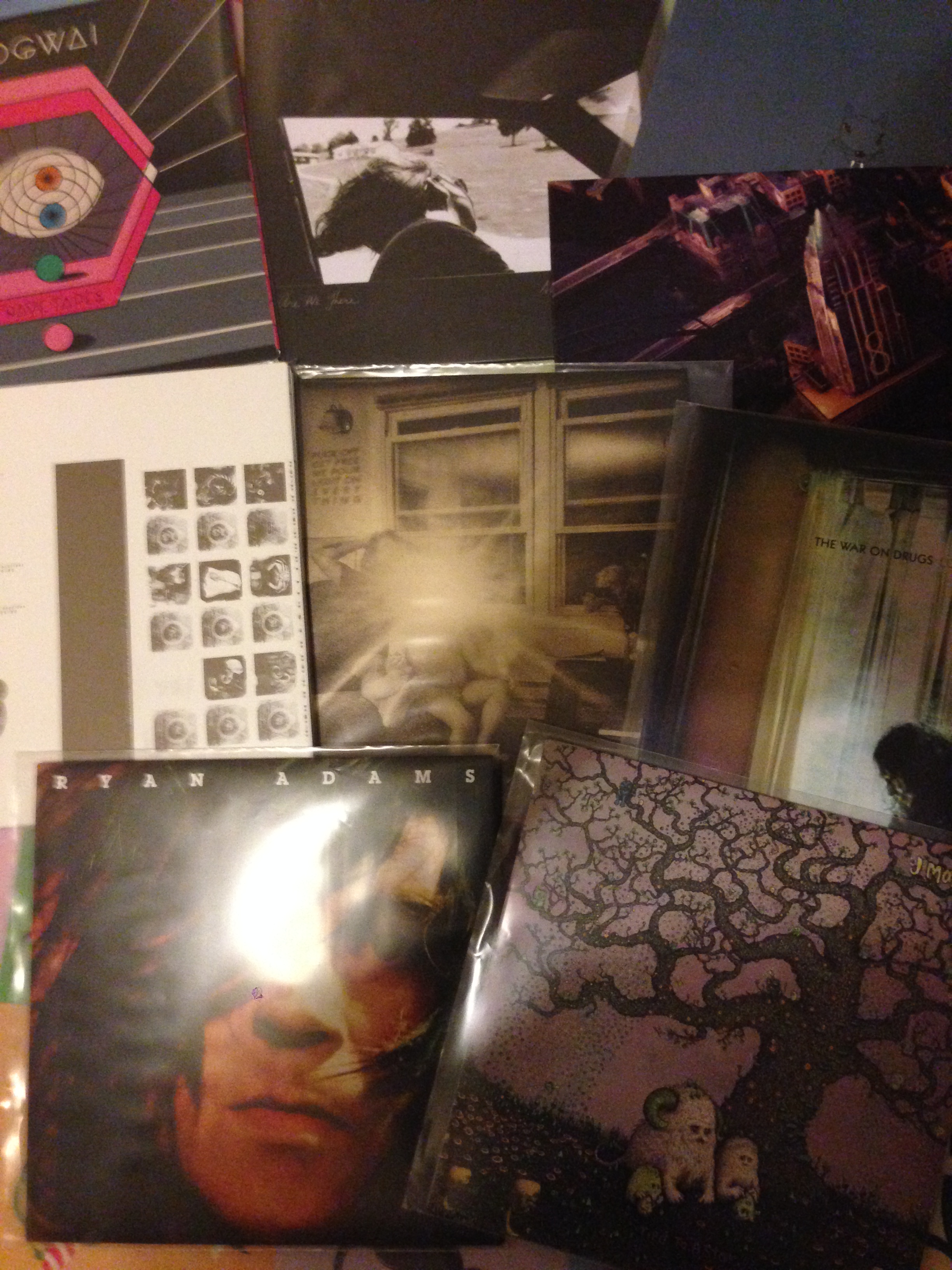
photo 1There was a lot of new music I loved in 2014. Mogwai got things going with the early release (and then forgotten about come those Best of lists) of Rave Tapes. A lot of spins on the record player and a lot of plays in the car – while not as adventurous or different in sound as the press would suggest, it marked a good step forward in their sound and did find them incorporating additional elements into the mix. Though am I alone as a Mogwai fan in not really enjoying it when they sing?

Speaking of which… Thee Silver Mt Zion’s Fuck Off Get Free We Pour Light On Everything was another stand out. I tend to view Silver Mt releases with mixed emotions; as much as I enjoy them I’d still rather Godspeed was the main going concern. Still, Fuck Off Get Free… is a solid addition to a very strong canon and sees Menuck really developing as a lyricist.

Sharon Van Etten’s Are We There found its way into my collection in October after reading positive review after positive review. It justifies those reviews. Loved it. Lot of pain and emotional fall out in the lyrics but such delivery and luscious song writing.

I was given Ryan Adams‘ self-titled new album this year too. I wasn’t hugely taken with his ‘comeback’ album Ashes & Fire (don’t get me wrong; it’s good, but…) but this one is a different kettle of fish altogether. Sounding much more vibrant, confident and sure of himself than perhaps ever, really. More direct and accessible than previous albums, hugely enjoyable and listen-able from start to finish.

I spoke of the Foo Fighters’ Sonic Highways – it’s still getting a lot of rotation (again, probably fuelled by the fact that my son enjoys it so much too) and more appreciation with each listen. Still can’t get over the cumbersome nature of Congregation as a lyric.

Also warranting a few rotations was the latest J Mascis solo trundle – Tied to a Star. While not as much as a revelation as his first ‘alone with an acoustic’ album Several Shades of Why, Tied to a Star is very enjoyable, adding a bit more of a backing band to flesh out the sound along with the odd burning guitar solo though never quite realising the highs of either the former album or his Dinosaur Jr work, of which I hope there’s more to come this year.

A couple of EPs – both the third in a series – bookended the year for me: Pixies EP3 (which also allows me to count Indie Cindy as one of this year’s most played) and EP3 from SQÜRL. Though vastly different in sound of course, both are cracking ends to a trilogy and contain some of each bands best work. Though the SQÜRL EP gets the win if only for the presentation and picture disc.

At the tail end of 2013 I started getting in the War on Drugs. Their new album Lost In The Dream made its way to the top of a lot of end of year / critics choice lists and it thoroughly deserved to. I loved it. It threw me at first – I thought there was something wrong with my record player thanks to the sound. It’s a beauty. It does recall a lot of those 80’s rock landmarks like Springsteen, Petty and the whole Den Henley  Boys of Summer vibe (all of which get a tick from me) but they’re hinted at, alluded to rather than worn brazenly on a denim-clad sleeve, it’s very much a contemporary sound. One which is so easy to get lost in as you travel through the album – despite being great to spin on a Sunday afternoon, it’s very much an album for listening to on the move. Hazy, dream-like sounds danced all over by some sublime guitar lines.

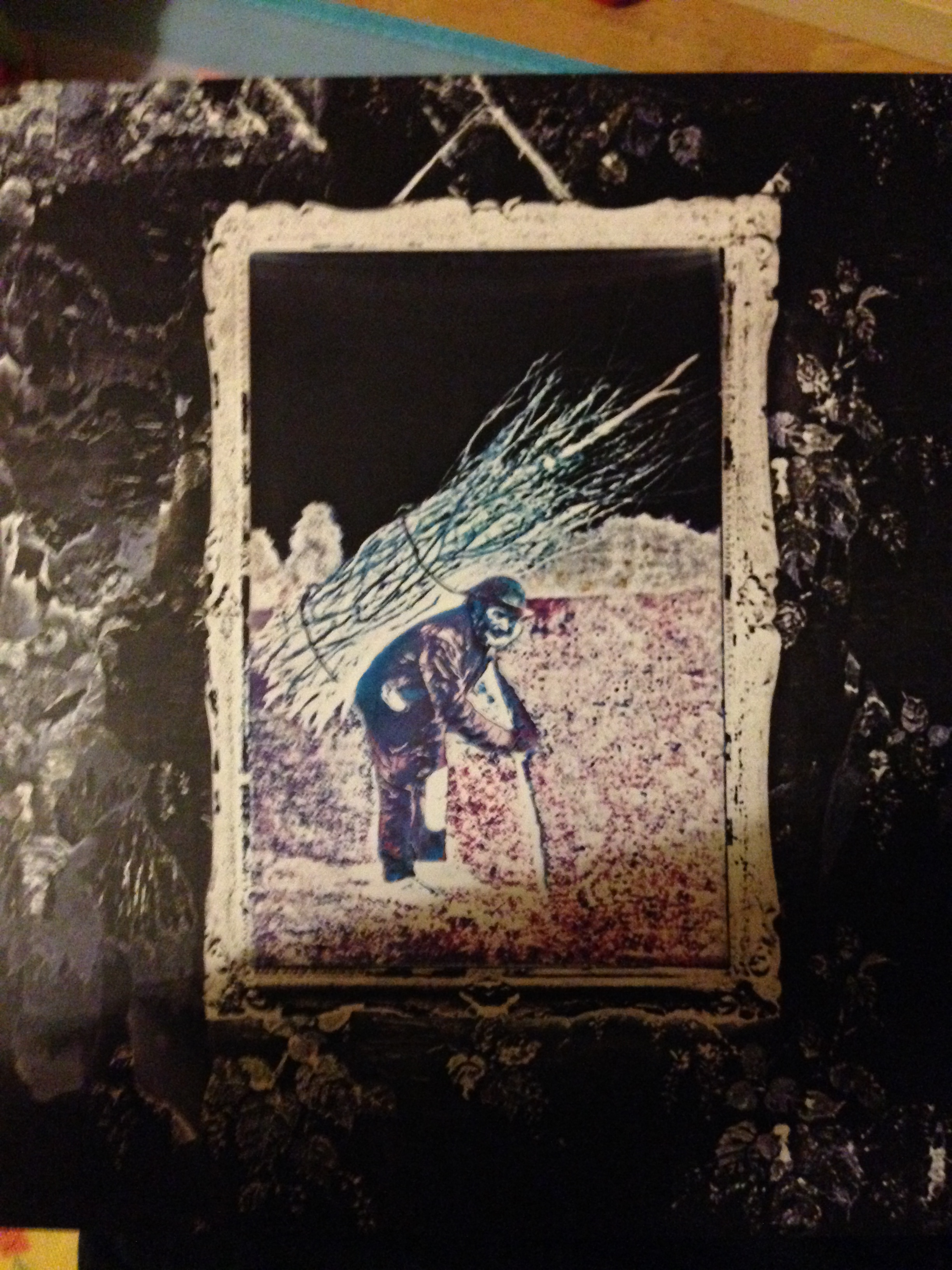
photo 3In terms of Re-Issues… I only really got into two. Some Pixies magic (again) with the end-of-year release (so will ludicrously miss being included on all those lists when it deserves to sit atop them) of Doolittle 25 meant a triple album of greatness, with the original album remastered, demos, b-sides and Peel sessions all making a compelling release. The second was Led Zeppelin’s IV reissue – hugely superior sound quality and a second slab of vinyl containing alternate takes and mixes adding to an already faultless album.

Most Played?

Bu6ErPKIEAAJp0PThe record that probably got the most spins this year? It’s a very tasty album indeed. It’s the Mondo Tees reissue of the Jurassic Park soundtrack. I love this for so many reasons. I was (very) lucky enough to be given this for my first Fathers Day by my wife after I’d hum this to get our son to sleep. I was also very (very) lucky enough to get one of the very rare Dilophosaurus version. Also, John Williams created another beautiful soundtrack for JP back in 1993 all summed up beautifully in Welcome to Jurassic Park:

I’m still playing catch-up with some of 2014’s releases – I’ve only just picked up Karen O’s Crush Songs and have yet to drop needle on it’s lovely blue vinyl, nor did I get around to hearing new albums from Jenny Lewis, Ben Frost, Spoon or even the terrifying good (based on the little I have heard) Swans albums dropped in 2014. What can I say; I’m a busy guy and who really cares what I think of them?


Penguins, Presidents, Missing Digits, Cats and Time Travel

In my review of Juame Cabre’s outstanding Confessions, I mentioned that the novel gave me my first “book hangover.” I tried numerous times to start something fresh but could not get beyond a first paragraph.

So I turned to a book I’d been itching to read for some time from an author whose work I’d grown to love: The Gardener from Ochakov by Andrey Kurkov. B2AvSxRCcAEpAoN

Kurkov is perhaps best known for his 2001 work Death and the Penguin and its follow up Penguin Lost (I read these both as one piece in the collected ‘Penguin Novels’). These books bought him attention and comparisons aplenty. From Murakami to a modern-day Bulgakov. Subsequent novels expanded the canvas and character range yet met with a more muted response. But, let’s be honest, they’re asking too much. Even Bulgakov didn’t always hit the marks he hit in his masterpiece The Master and Margarita. Such tags are akin to branding any musician who appears with an acoustic guitar and a wordy hit as “the new Dylan”.

It’s inevitable, then, that those same critics will find fault in his subsequent work.

There are traits that you’ll find in the works of both authors but then you’ll find them in the works of many others, too: there’s an abundance of dark humour, satire, surrealism and the occasional talking animal and each can have a distinctly Soviet reference point – writing of times and people bound by communism and, later, the Iron Curtain and it’s echoes. Both are very much a joy to read too. Kurkov’s works are lighter (this isn’t meant as a negative in any way) and hugely accessible.

Perhaps the difference is that Bulgakov wrote at a time when the new oppressive rule of Russia was relatively fresh. Memories of a time pre civil-war highlighted the hardships the population was under. Kurkov’s novels are set in a post Iron Curtain world where the inhabitants of his story are coming to terms with the echoes of that time against the inbound surge of capitalism

From my point of view, there’s nothing “patchy” about his work since the Penguin books. I’ll go so far as to say The President’s Last Love is not only his best work to date but will stand up in my own Top Ten – a hugely original story with remarkable pacing and narrative structure and its mix of humour, tragedy and sublime absurdity is akin to that of an Eastern European DeBernieres.

His previous novel, The Milkman In The Night, was another tightly bound fantastical work with a plot involving a sleepwalker, a sniffer-dog, theft, a woman selling her breast milk, psychotic cats and, of course, plenty of misunderstandings.

The Gardener from Ochakov is another equally cracking read. Just read the back jacket:

5122y6UrH0L

What’s contained within these pages is a light-hearted, time travelling adventure with Kurkov’s patent and potent mix of realism and fantasy (though no animals in this one), with thrilling drama mixing deftly with the mundane details of life.

There’s also a satirical nod to those that idealise the past under Communist, Soviet rule – those that will say, with a shrug, things like “ah yes but everybody had a job then”.

Thoroughly enjoyable and highly recommended.

When the sky is torn…

Claymore Straker is a man on the edge. A civilian in a dangerous land at a dangerous time. Kidnapped, held at gunpoint and lead into the depths of Yemen to be given an ultimatum by a man believed to be behind a number of terrorist acts including one which resulted in the death of Straker’s colleague. The tension is palpable and it’s only a matter of time before the inevitable eruption as Straker makes his break…

Before the old man could react, Clay bought his left knee up hard, smashing the old guy’s pelvis. The Arab’s mouth opened, the first note of a groan hanging in space, truncated an instant later as Clay’s right fist smashed into his face. Clay felt the key go in, the give as a membrane flexed, heard the slight pop as it broke, then the sucking sound as he pulled back his fist, the key with it.

Lovely, right?

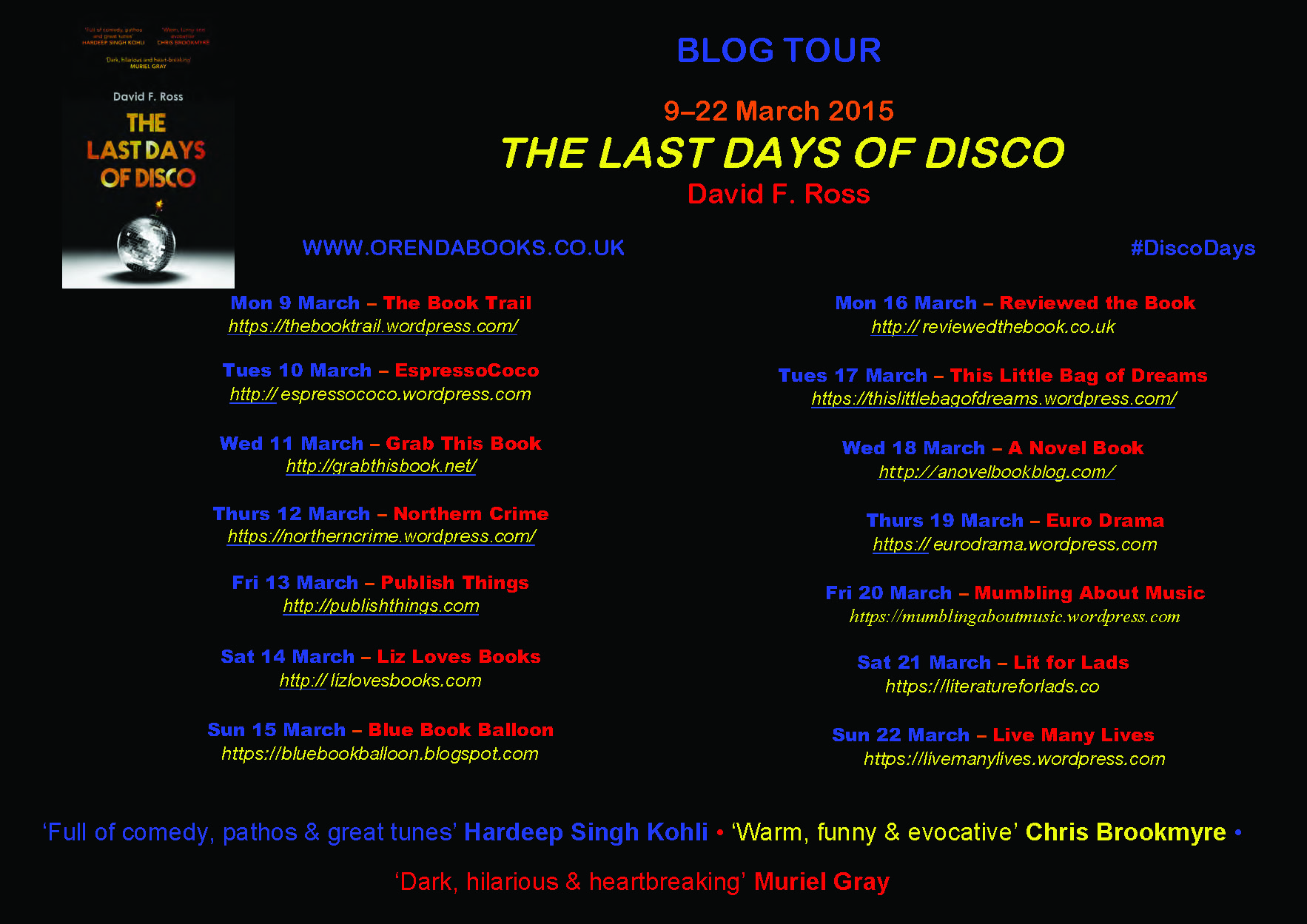
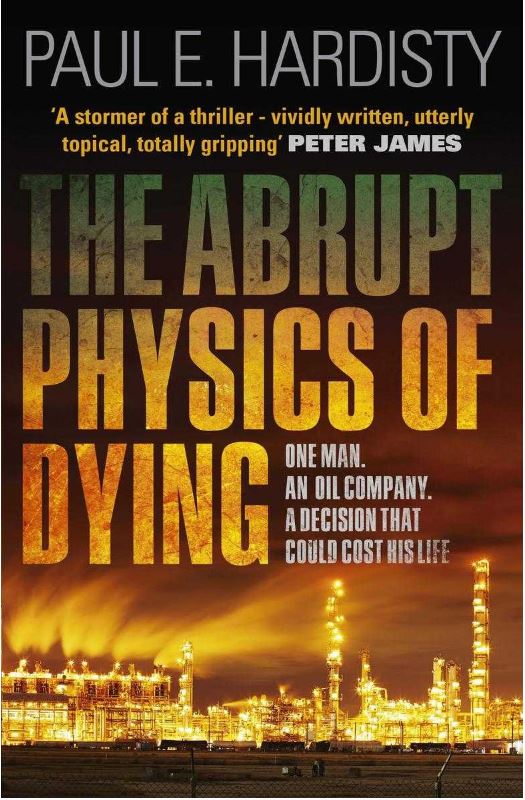
abrupt physics of dyingThis is the start of The Abrupt Physics of Dying by Paul E Hardisty. It’s also the point at which you realise you haven’t put this book down for four chapters and probably won’t until you’ve reached the last page.

Having worked around the world for 25 years as an engineer, hydrologist and environmental scientist, Hardisty survived a bomb blast in a cafe in Sana’a and was one of the last Westerners out of Yemen before the outbreak of the 1994 civil war. This should come as no surprise having read Abrupt Physics… as Hardisty details Yemen, the political climate and the science with an authority that’s never questionable and with a delivery that’s polished enough to make you wonder whether he hasn’t secretly been publishing thrillers under a different name for years.

Clay Straker is  trying to forget a violent past, working as a contractor for an oil company as it seeks to expand it’s grip and presence in Yemen. His job is simple – complete the environmental surveys in a manner that gets approval for Petro-Tex and pay off any locals that need their palms greasing to remain calm. Until he’s kidnapped, of course.

Held at gunpoint and with his friend / driver taken as hostage by a terrorist organsiation, Clay is tasked with finding out what’s causing a widespread illness among the local children.

Of course we know it’s got to be something to do with the oil company but the hows and whys lead us into a world of political and corporate corruption and greed, violence and conspiracy – all set in a country on the verge of being torn apart by terrorism and civil war.

As events unravel the plot is dotted with twists and people with questionable allegiances that will leave you guessing until the end all the while rooted in strong, compelling characters and attention to culture – with dialogue liberally sprinkled with local and Afrikaans phrases to add further to the sense of immersion.

Everything you look for in a good thriller is here in abundance: a brooding hero with a troubled past, faraway locations, shady characters with even shadier motives, a love-interest, taught dialogue, corporate and moral deceit, the underdog risking it all with potentially disastrous ramifications, plot twists and counter twists and, of course, a bit of action.

The violence comes hard, fast and often. Straker takes so many and so severe a beating at times it’s hard not to wince while reading and wonder just how much one man can take. However, unlike so many thrillers which rely purely on such violence and action, The Abrupt Physics of Dying is driven instead by a compelling plot and well-crafted story telling, with near-poetic descriptions in some of the most unlikely of places:

A tendril of blood trickled from the dead soldier’s neck, a thread unravelling, scrawling a strange calligraphy onto the sand.

That being said, I do think it could find itself with an honourable mention in the Literary Review’s Bad Sex In Fiction Awards for the line “She was as slick as a tidal flat in a flood tide”.

This isn’t a no-brain, thirst-for revenge type thriller. At the heart of The Abrupt Physics of Dying lies an exploration of just how far corporate greed will go in its neglect of morals. As Clay questions his own morals and values its hard not to do the same. The atrocities and body count not celebrated but lamented and the concern for the damage being wrought on the local population reads as genuine.

So: Thriller? Thriller with a conscience? Eco-thriller? Geo-political thriller? How about bloody good book? It’s all of these.

In his first book Hardisty has created a thriller as assured, gripping, well paced and finely detailed as they come.  There’s a sequel in the works, The Evolution of Fear. Judging by the first chapter included in ‘Abrupt Physics’, it can’t come soon enough. 2016 seems a long way off now.

A great first publication from Orenda Books from whom I’m sure more greatness will arrive.

Mea Culpa

There’s a very large book on my book case, not yet slipped into its correct place as I await delivery of more bookshelves to house it and those others that currently sit in the recently read and to-read piles (I find this fitting given a certain passage within this very book). Large in terms of size, epic in terms of the scale it covers and immense in its brilliance.

It’s Confessions by Juame Cabré.

I was sent it to me to read and review by the great folks at Arcadia Books.

I’ve hemmed and hawed over this review for some weeks now. That’s not to say I didn’t enjoy the book. Far from it. I loved every single word of it. It’s nothing short of a masterpiece. My procrastination was due more to wondering just what I could add to the no doubt miles of column inches that already sing its praises.

While Confessions has been compared – and rightly so – to books such as The Shadow of The Wind, The Name of the Rose and The Reader – I can’t recall the last time I read a novel as affecting as this. While it does contain similarities to the aforementioned  – neither they or any book I’ve read for some time has made me run the gamut of emotions in such a way as Juame Cabré does within these seven hundred or so pages.

At sixty years old Adrià Ardèvol, an immensely intelligent man who is now rapidly losing his mind to an aggressively advancing form of dementia. Following an abrupt realisation on his own loneliness, he decides to set down his life in words. But it’s more than the story of one man. It’s the story of Vial, a prized Storioni violin around which the lives and misfortunes of so many are wrapped. It’s also their stories and and it is in the telling of these stories that Cabre also explores the nature of evil in mankind and the power of obsession. Not to mention a certain pendant…

BxtsdMmCAAA5ii4

Within the opening pages Adrià ponders where to start, perhaps 500 years ago “when a tormented man decided to request entry into the monastery of Sant Pere del Burgal”. Instead he starts with his own childhood. Adrià’s father is a man obsessed with possessing ancient treasures and manuscripts and is an authoritarian dictator in his home. Toward his son Felix Ardèvol shows no affection. Adrià’s mother is equally aloof and cold: “Mother, on the other hand, was just Mother. It’s a shame she didn’t love me”. Alone in his own home and childhood, Adrià occupies himself by spying on his parents – a network of hiding places and peep holes – and confessing in his only companions, Black Eagle and Sheriff Carson; two small toys. Even these he has to keep hidden from his father, How.

It’s a master-stroke. Starting the narrative though the eyes of a young boy, starved of demonstrative love and driven hard by his all-controlling father, I read the entirety of the events as though seen through such innocent eyes, making all that unfurls as the stories emerge and intertwine all the more affecting.

At first the structure of the narrative can be a little hard to grasp but following the realisation that our narrator is writing as the dementia takes a grip the reasoning becomes clear – stick with it, it all soon flows together beautifully and when the links between each narrative thread are revealed it’s akin to magic – from rivalry in a medieval village and the fate of Jachiam of the Muredas after he commits murder, back further to the Inquisition and it horrors, through to the crafting of Vial and on to the 18th century and on to the wave of darkness that Nazi rule threw over Europe and the stomach-churning experiments at Birkenau.

I’ve read a number of accounts from this particular nadir of humanity both fictional and non. I don’t think any of those have hit me as hard as those in Confessions. I don’t mind admitting that I had to put the book down and stop reading at one or two points. While I’m at it I don’t mind confessing that it also bought me to tears in a number of places. Like I said: no other book has made me run the gamut of emotions in such a way.

Yes this book has its dark points but it’s also shot through with light. It’s bound by merriment and humour just as much as it’s haunted by tragedy and steered by mystery.

The various narrative threads all link together and all contain enough plot twists and revelations to drop the jaw. The characters are rich, the plots enthralling and reading Confessions feels like absorbing the most detailed and resplendent of artworks.

It is a big book but it’s an important one, every word is essential, rich and rewarding. Much like Storioni’s Vial, Confessions is the work of a true master and contains every element in perfect balance. That it’s sold over a million copies and ranked as an instant best seller in 20 languages already is no surprise. If it had sold ten times that it wouldn’t surprise either.

Mara Feye Letham most certainly had her work cut out in translating this novel and keeping its unique narrative and style yet it doesn’t show; the novel flows beautifully through her translation.

Confessions gave me something I hadn’t experienced in a while; a book hangover. It was a few days before I could do more than scan a paragraph of another book. Juame Cabré has crafted a monumental novel in Confessions, one that will linger and continue to deliver long after turning the final pages.


Something From Nothing

How did this happen? When?

A few weeks back I caught a list from Spin magazine: all 147 Foo Fighters songs, ranked.

147? Granted this includes b-sides, covers etc. But it’s still 147 songs that have been released by Mr Grohl and his band of merry men.

I agree with the list for the most part. It’s unlikely they’ll ever better Everlong. But what surprised me and begs the opening questions is – how and when?

Granted; next year will mark the 20th anniversary of the first Foo Fighters album (yes, yes; that was all Dave) but somehow they’ve gone from being ‘that guy from Nirvana’s new thing’ to a bonafide, long-lasting band with a very very strong back catalogue chock full of songs that are precisely written and virtually all guaranteed a place on whatever alternative / rock radio stations still exist (I think it’s usually a daily occurrence to hear a Foo’s song on Xfm).

They’re like the Matt Damon of rock in this way – quietly and calmly going from ‘that Good Will Hunting guy’ to an actor with an extremely credible filmography and calmly churning out strong, consistent and enjoyabe (though not ‘set the world alight’) performances.

So, just as I’m quite happy about the announcement of a new Damon-starring Bourne film, I was quite happy to hear about the new Foo Fighters album when it starting being discussed…. how “nobody has ever done anything like this” etc etc.

foo17tvf-3-webGrohl has talked about going the Radiohead / experimental route (I do wish he would) but it was something a bit more straightforward – the Foos put together a bunch of solid, guitar crunching riffs and went on a tour of those 8 (budget / logistics restricted) cities in the US that have a documentary-worthy / personally relevant music scene / history for a week at a time, talk to the leading lights of that scene, write the lyrics based on the experience, have a few guests from each week guest on that track, record it in a famous local studio and have HBO film it, put the whole thing out as a very engrossing docu-press kit type thing.
Well, I say “straightforward”… that is quite a big task. The whole recording in multiple settings has been done before, usually when a bands on a long tour and keen to get another album out (REM’s New Adventures in Hi-Fi possibly the best) but the rest… probably not. And, to be honest, because there’s probably not all that much point to it, really.

I’m sure, from the little I’ve been able to see, until a Blu-ray version drops (probably / hopefully in time for Christmas), and read of, the Sonic Highways series is a great 8-part gem. How could it not be; Dave Grohl rocking up in Washington DC, Seattle, Austin etc and talking to local musicians / icons about music then strapping instruments on at the end?

However, how much this lends to the album itself remains negligible. Each of the eight tracks on Sonic Highways has a guest. Each of those guests could just as easily have not swung by. It’s virtually impossible, for instance, to pluck out Rick Nielsen’s baritone guitar from the mix on “Something From Nothing” or what’s specifically ‘Joe Walsh’ of that Eagles’ contribution to “Outside”. Though Gary Clark Jr does tear the arse off of the otherwise plodding, Skynrd-esque “What Did I Do?/God As My Witness”.

The other element that stops me listening to “In The Clear” and perhaps saying “oh you can totally hear the New Orleans scene in that” is that a) as a now three-guitar strong band, it would take a lot to really have an obvious impact and b) I’m English and have no bloody idea what any influence of the New Orleans scene might sound like.photo (1)

The kinda-pointless approach does mean, however, that while it doesn’t add to the album in an overly noticeable way, it also means you don’t need to know about the depth of, say, Washington’s music scene, to enjoy the album as it remains a thoroughly enjoyable slab of Foo Fighters guitar blast.

Opener “Something From Nothing” is my son, Elliott’s, favourite sound at the moment. He’s 11 months old. When this song comes on it gets his full attention and when the drums kick in so does his rocking out dance. This makes me a little bias of course. It’s a solid album opener, a little different for the band in it’s slow-to-build style and has the strange addition of a 70’s porn-style breakdown. It’s lyrics “fuck it all I came from nothing” are a fitting nod to the nature of the Foos, perhaps, and Chris Shifflett’s guitar solo is a little too late and short but this is a solid track that will get lodged in your head.

It’s followed by “Feast and the Famine” – a strangely heavy / punk-rock song to staple Martin Luther King Jr assination references too but it’s got the stop/start, fast/faster Foos dynamics that they’ve got down tight all over it. At 3:49 it’s the shortest thing on Sonic Highways.

Further on the album “Congregation” is a belter of a track (a sister track to Wheels perhaps) but, lyrically, no matter how many times I hear it I can’t really get down to the use of the word as being anywhere near as anthemic as they’re going for – it’s far too lumpy as a word.

“What Did I Do?/God As My Witness” is, sadly, a turd. Well, almost. It tries to do too many things and leans far too close to Lynyrd Skynrd BUT it is – as mentioned – saved by the guest spot. Gary Clark Jr tears through his lead part on this and pulls the song through the muck it dropped itself in. I also love the story of his recording:

…he walked into the studio and didn’t even bring a guitar. He just took one from Pat Smear – Pat hadn’t even played it yet and it still had a tag on it – and does three takes and that’s it. Pat said, “Just fuckin’ keep it.”

Elsewhere; “Outside” – obviousness of guest or not – is a dark, brooding beast that I enjoy everytime. Ben Gibbard’s presence on “Subterranean” is a nice addition but the song is strong in its own right and “I Am A River” is another slow burning build up.

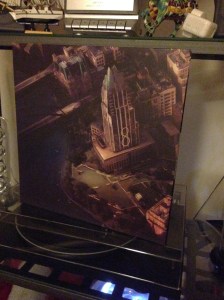
The only real disappointment from me with Sonic Highways is that – again, as a UK resident – I didn’t get to specify the cover on my LP. I got… and I had to actually look it up as I haven’t a clue of this city’s landmark… Austin. Though, given this is the city of the Gary Clark Jr solo I suppose I couldn’t mind despite – obviously – hoping for the Seattle cover.

So, I’m off to find what I can hear of Gary Clark Jr….

The black mares in free gallop

Twisted crowd barriers. Lads lugging makeshift stretchers across a pitch strewn with the injured and bewildered. The dead lined up in rows on the turf. Twisted minutes. Twisted metal. Twisted news reports. Everything twisted.

Fan has been described as a must-read for anyone that started watching football after Hillsborough. I’ve not watched football before or after. It’s not my cup of coffee. Good literature, though, is. And Fan most definitely is good literature.

Bxy6VQRCAAAU296With some books of late I’ve felt that some holes in my knowledge have hampered my full understanding and enjoyment of a book. Most particularly this is down to certain Russian novels and my knowing barely anything of that country’s revolution. With Fan, this is not the case. While I have only the vaguest of idea who Brian Clough was, Danny Rhodes writes with such informed and heart-felt passion that I understood. The same is true for football fandom. It’s something that I’ve never grasped, a spell I’ve never been under. Yet Fan expresses the love felt for the game by its protagonist – John Finch – and so many with a clarity and firmness of belief anyone with a passion for something would understand and get on board with.

I knew little of Hillsborough before reading Fan, only what was occasionally mentioned in the news since. Danny Rhodes was there. He writes of it with an alarming clarity, bringing the horror into full focus as is his right.  John Finch was there. He never really left. To say it screwed him up would be an understatement.

Finch cannot move forward. He’s moved away but he can’t move forward. He’s moved from Grantham and its bleak oppression to the South where he finds himself equally oppressed – by the pressures of his relationship and the pressure of the past, reaching forward and pulling him under. Unable to operate in any gear other than neutral for the fear of his terror – the black mares – pulverising him. He’s gotten to the point of no return, clearly suffering PTSD, his job is now on the line and his relationship is crumbling around him.

When word reaches him that one of those friends with him at Hillsborough has “gone and done himself”, Finch realises the only way he can break free, prevent the same fate befalling himself and move forward is to go back. Back to Grantham, back to his old stomping ground, his old circle of friends and search for the closure denied to him those years ago.

Jumping between 2004 and the past, Rhodes deals masterfully with the portrayal of a man hunting for closure, wanting to do the right thing but left helpless and weak by his demons. It’s both immediate and raw and told with an increasing sense of urgency underwritten by the unnerving sensation that we’re dealing with a whole lot of fact in this fiction.

Tackling the effects of trauma, social injustice, the pain and cost of change – both personal and sociological, and, of course, the devotion of football fans, Fan works well both taken at face value and when looking at the subtext.

While football is at the heart of the story, Fan is about more, much more than the game. The subjects tackled will resonate with a much wider audience than any one team’s fans.  Danny Rhodes has delivered a compelling read, full of brilliant narrative and insights.

A big thanks, again, to Arcadia Books for sending me this book.

High Hopes…. Dashed

Ugh. It almost pains me to write this. Especially when I consider that this will be the second time I mumble about a Springsteen album and the second not-so-favourable. I say this now because I do love a bit of Bruce Springsteen. My collection is stuffed with Boss. Nebraska, Tunnel of Love, Magic, Darkness and both Borns get heavy rotation. However….

Earlier this year Bruce Springsteen released his eighteenth studio album. Eighteenth. Saying that, two of the songs have seen release previously and three of the remaining are covers.

Before I get into this too much and why am I getting into this now….

This weekend, while doing a bit of tidying up and keeping the little man company, I found and put on Springsteen’s Blood Brothers DVD. It documents the slightly awkward and touch-too-soon mini reunion of the E-Street Band to record a few new tunes for Bruce’s first Greatest Hits (I should note here that I got that CD on its release and it served as my introduction to Springsteen and from there on…) .

blood_brothers_site-352x500Two things came from watching Blood Brothers that feed into this post. The first is a moment where, suddenly, the discomfort and ill-at-ease Bruce felt in front of the camera seems to fade as he discusses the implications of a string arrangement that had been created for Secret Garden. Talking of the song as a narrative, Springsteen explains to the gathered co-producers and mixers that the song is a narrative. If any arrangement or sounds distract from that “we’re fucked.” The second element of note is that the 1995 session captured also found Bruce and the band cutting into Tim Scott McConnell’s High Hopes for the first time.

That version of High Hopes was released as a B-Side to Secret Garden. Which, really, is where it should have stayed.

Let’s skip forward to 2014.  Post 2000 Springsteen is a different proposition to that of ’95 model Bruce. Now willing to trust others with production work, Bruce has seen his music produced, with varying results, by Brendan O’Brien (who should have taken a bow after Magic and not gone for the victory-lap with Working On a Dream) and, lately, Ron Anellio. Credit to him for this decision. If he’d stayed working away on his own, we may not have had the rebirth and revitalising of his and the E-Street’s sound that came with The Rising. Going on past lessons and biographical revelations, he may still have been in his home studio labouring away on the one album. Self-producing rarely works. It’s key to get a good collaborator in that can bring out an artist’s best and encourage them to shine.

So what’s the problem? Well I’d say Bruce has gotten a little lost lately in a seemingly ill-fated determination to sound fresh and vital. Just look at the cover. Sorry Bruce but is the double denim and popped collar really the best fit for you in 2014?

high-hopes-album-bruce-springsteen-1389043820

In the past, Bruce has had a very tight quality control. Not letting anything out that he wasn’t 100% happy with or didn’t fit the feel / story of an album. That’s what archival releases like Tracks and the Darkness box are for. Working On A Dream marked a turning point. There should have been more use of “no” in the studio on that one… “supermarket beeps and a song about fancying the girl on the checkout while doing your shopping? Sure thing Boss!”

Fuelled by social circumstances again and looking to vent, for Wrecking Ball Bruce came up with some of his tightest and most direct, angry lyrics yet. However, the collaborators bought in to furnish these songs took them the wrong way and did exactly what Springsteen previously voiced such determination to avoid – they detracted from the lyrics and the songs.

Unfortunately the songs on High Hopes suffer the same fate at the same hands. This is not a studio album in a true sense. Long-term Springsteen ally/collaborator/sidekick Stevie Van Zandt has often said that on any one day, Bruce will have at least half an album of songs on him. With High Hopes we discover what would happen if that half-album of songs were taken into the studio, recorded with selections of the E-Street Band, it’s latest quasi-addition Tom Morello shoved in awkwardly, mixed with another half-album of left overs from the last decade, warmed up by over-production and served as a ‘fresh’ dish.

That’s not to say that the album is devoid of good music. Frankie Fell In Love, Heaven’s Wall, The Wall, This Is Your Sword… all top-draw Springsteen material, even the brooding Harry’s Place feels like some of the cracking, darker material Springsteen wrote (though never truly released) in the early 90’s. Even it, though, is over-worked. Heaven’s Wall is nearly drowned in over-the top choir arrangements. Those heavy handed arrangements blight too much of the strong material here and are used far too much to prop up the lesser songs.

Morello is, frankly, out of place here. His guitar parts, the scratchy sounds that were once new and compelling, are both now and here tired and overplayed. They sound clunky when added to the title track and trample all over songs they have no business being near. Just take the title track as an example. It’s said that this project was born after Morello hearing High Hopes while preparing for the Australian leg of the Wrecking Ball tour and proposed it join the set list, from there the studio beckoned for a ham fisted bounce over a song that was only suited to B-Side status (let alone lead-single).

See:

We didn’t need a second take on Ghost of Tom Joad and as for the recasting of American Skin (41 Shots)? The live version of this was compelling, tight and full of well-directed anger with a searing solo from Springsteen himself. It came at a turning point for Springsteen – pre-9/11 and on the back of the reunion tour, a relative drought of quality new material in the 90’s and here, suddenly, was a glimpse at new material that bristled over with the force of old material. Guitars like teak bolted onto socially-aware lyrics and furnished with delicate, perfectly fitted arrangements from the E-Street Band. A precursor to The Rising and a return to form after a decade of almosts.

Bruce has said that he never felt it got presented properly. So, as with Land of Hope and Dreams on Wrekcing Ball, it was given a new studio arrangement. Surely it would be a winner. Relevant again with the shooting of Trayvon Martin and back in the set list, a slow burning tune that builds to a thundering climax and release. Surely it would be a winner. Surely…. Except it isn’t. Instead that same song is flat (albeit with the exception of Clarence Clemons’ sax giving us one last treat from beyond), layered with cheap-sounding production effects and, in place of Springsteen’s own guitar, ruined by a solo from Morello that’s bad-80’s-power-ballad by numbers.

With Nebraska, Bruce took his raw, home-made demos to the E-Street Band. They tried them on for size and found the songs didn’t fit in the band setting. Springsteen released them as was. The result is one of his most loved and praised albums.

Secret Garden: Bruce tried a few grander arrangements, added layers, different string parts. Didn’t work. The original arrangement was released. But, the other arrangements, rather than scrapped, did see release as B-Sides and soundtrack additions.

With High Hopes…. it’s the heavy handed, overworked and near-drowned in effects versions of the songs that have been released.

In a way, High Hopes is best looked at as a “what if” album rather than a legitimate ‘new’ studio album. What if some of these songs – Frankie Fell In Love, Heaven’s Wall… been given that little bit longer to gesticulate. What if some of these had been included in place of the clukers on Working On A Dream? What if Down In The Hole had been used in place of its very-close sister Paradise on The Rising? Sadly it’s not as intriguing or rewarding a listen as the “what-ifs” of Tracks’ second, third and even fourth discs.

To me, now, nearly ten months later and with Mr Springsteen assuming radio and road silence again, it’s a case of not only what-if but please, when the next album emerges we find the quality control of old back in place.

Back to Blood Brothers, though:

I love anyone who wants to phone home

Bt0VZ8AIUAAxmMJ

This is a house of horror. A house of metal and country music. That Coldplay stuff isn’t even funny. It just makes for a bad atmosphere.

Not too long ago I came home from holiday to find two boxes waiting for me from Arcadia Books. One of those contained See You Tomorrow by Norwegian author Tore Renberg. The other contained Fan by Danny Rhodes (which I’ve just finished).

I was caught up in finishing two other books (The Goldfinch and Overlord) prior to picking up See You Tomorrow. I wanted to give it a clear run, the attention a glance at its first pages showed it clearly deserved. I knew nothing of Mr Renberg – first published in ’95 and widely known in Norway for his Mannen som elsket Yngve (The Man Who Loved Yngve) series (upwards of 400,000 copies sold).

This is the first novel from a Norwegian author I’ve read and I was pleasantly surprised to find that it’s set in Stavanger – a city I’ve been lucky enough to visit. That being said, the Stavanger within these pages is so far from the tourist’s snapshot I got of the city on my visit that were it not for the mention of a few landmarks and one character visiting Platekompaniet (a music store I shopped in during my own visit), I’d not be able to bring the two versions together in my mind.

There’s a great few articles to read around this, on the use of music within the novel (link) and a great interview (link).

Even now, two books on, I still feel under the spell of those red-edged pages. To review it was hard. I needed to review it, I wanted to review it but how to find the words when I hadn’t come across something this (and I don’t often use this word) groundbreaking for a long time.

How was the question I was faced with, how….

How do you review a book like See You Tomorrow; a book that deftly defies classification by mere genre yet incorporates elements from each, creating a compelling tapestry of a novel that satisfies every criteria for great fiction?

I suppose that’s a start. At least it’s a start that doesn’t – deservedly – lay every superlative possible on it.

See You Tomorrow captures the events of three days in which Stavanger is treated to unexpected, unseasonable warmth and sun as the lives of eleven characters cross paths with violent results.

Tore Renberg has said that it took six years to write See You Tomorrow. That he created playlists for each of the principle characters from whose perspectives the story is told (all eleven of them) in order to get into their skin. It shows. Each of the characters live and breath in these 600 pages with such an alarming vitality – very alarming in the case of Tong – that I hated putting this book down for fear something would happen while I wasn’t immersed in its world. It’s just that gripping.

Yes, there are 600 pages but there’s not a spare word amongst them. The narratives are so densely written and the events of the story’s three days so closely examined from every angle that the story rips along at a breakneck pace.

Themes abound – from broken families, social criticism, criminal undercurrents and the destructive power of secrecy to the frustrating catchiness of Coldplay – all served with dark humour and a quest to find the light in such a world.

And there’s the key. For all the damage the characters in See You Tomorrow carry with them and into the lives of others, this novel is ultimately uplifting. Whether it’s Pål’s desperate measures to end his financial burdens, Daniel’s ‘life-plan’ to mute the horror of his past to Tiril’s singing Evanescence to a crowd… even the delightfully unhinged petty criminal Rudi is a self-declared man of love. All are looking for the ray of light in these dark times, a way out, a release from their secret. In most cases, though at no small cost and in ways previously undreamed of, they find just that by the end of the three days.

Three days of unexpected warmth and light when least expected.

I cannot imagine just how tricky this book must have been to translate yet Sean Kinsella deserves praise for managing to do just that while retaining Renberg’s mastery of prose and wit.

See You Tomorrow is not only one of the best books I’ve read this year but is in serious contention for one of the best I’ve ever read. It would be a struggle to find such an original and compelling book as this. That Tore Renberg has a sequel to unleash upon us can only be good news.