In keeping with the general sense of procrastination that pervades my attempts at a series of posts, it’s been a while since I first chewed over kicking off this one, looking at those great compilations in my collection. Those that are as close to perfect and essential as you can get. That do that rare thing of providing as solid, all-encompassing an overview as is possible in a dozen or so tracks in a manner that will provide a great entry-point for the uninitiated and give the already-converted a good career-spanner to listen to when they don’t feel like going through whole-albums.
These are inevitably some of the most well played volumes on my shelves and have served as starting points that have introduced me to many a loved band. That’s certainly the case with Tom Petty and the Heartbreakers’ Anthology: Through The Years.
Back in 2000 I didn’t really know much of Mr Petty’s back catalogue and was looking for a suitable entry point. It’s worth pointing out that while the chaps from Gainesville, Florida have certainly enjoyed some success in Europe and the UK specifically, they’re a much more American proposition than, say, Springsteen, so it’s understandable that at the tail-end of my teens I was unaware of the bulk of their songs. Fortunately I was still in the habit of reading a monthly music magazine* and just as Uncut had turned me on to other bands, it was the stuffed-with-praise review for the upcoming Anthology: Through The Years compilation that meant I parted with cash.
It’s also worth pointing out that there was already a pretty serviceable Greatest Hits album available but, for some reason, that 1993 release never appealed. Perhaps it was the cover, perhaps it was the inclusion of ‘Something In The Air’** .. who knows but Anthology: Through The Years was my introduction to the music of Tom Petty and the Heartbreakers beyond the ubiquitous ‘Free Fallin’.
Now, here’s the thing with the songs on here; I didn’t know the vast majority of them and yet after one listen they felt like old friends. Like songs I’d known for years. Petty has a way of crafting instantly memorable and catchy-as-a-cold tunes that’s very rare and highly addictive. Yeah, everyone and his dog knows ‘Free Fallin’ but to hear ‘The Waiting‘ or ‘Mary Jane’s Last Dance’ for the first time is to know them as the classics they are; once they’re in your system they stay there.
The track listing is as perfect as you can get without a nitpicking committee. Despite it’s being released in 2000, there’s nothing here really newer than ’95 so the discs are divided up to cover the two ten-year periods from their ’76 début, the format better serving the band’s impressive catalogue than a single disc ever could.
The first disc, spanning ‘Breakdown’ to ‘Change of Heart’ pulled my attention first and probably still gets more plays. This one was the discovery for me, classics like ‘American Girl’ (I’d not watched ‘Silence of the Lambs’), ‘Even the Losers‘, ‘Refugee’ all tearing into my ears and the beautiful ache of ‘The Wild One, Forever’.
The second disc is stuffed to burst with FM classics – five from Full Moon Fever and a handful from Into The Great Wide Open that are always going to sound good whether they’re being played to a stadium or via a car stereo in traffic. For me, though, the real draw are songs like ‘Mary Jane’s Last Dance’, ‘Waitin’ For Tonight‘, ‘It’ll All Work Out’ or ‘The Best of Everything’ from the sublime Southern Accents.
Looking at the track listing for this is almost like picking out an ideal set list and there’s not much more you could look for in a compilation.
It was an odd time for release, one year on from the under-appreciated Echo*** and not featuring a single track from that release. I’m sure ‘Room At The Top‘ could’ve fitted nicely on here. They even dusted off a previously unrecorded tune from 1977 to add something for the completests with ‘Surrender’ but couldn’t find room for anything from that one. In hindsight the eight year gap between the lacklustre The Last DJ and return-to-form Mojo would’ve been the ideal place for such a retrospective. In fact they did release a four-disc live compilation that served just that purpose.
I’ve gone on to stock my shelves with a fair amount from Tom Petty both solo and with the Heartbreakers. If I’m being picky I’d wonder – as Cameron Crowe’s linear notes do – whether there could be space for a track from Wildflowers or even from She’s The One but then it’s hard to imagine a better summary of the Heartbreakers’ then 25-year career than this one.
Instead of copying and pasting the tracklisting, I’ll drop the whole thing via Spotify.
I’ll end this one with the tune I think is the real glaring omission, the perfect title track from Southern Accents:
*A habit long-since abandoned.
**Overplayed and I’m still not that much of a fan of it. Though the remastered version in 2008 swapped it out for ‘Stop Draggin’ My Heart Around’ so I can’t be alone in that.
I can smile in the face of mankind
Don’t even remember what her lips felt like on mine
Most of the time.
How on earth do you begin to chose one track to talk about by an artist like Bob Dylan? A man with thirty-eight studio albums, twelve instalments into the Bootleg Series.. probably close to three hundred original compositions to chose from. Given that I can go on jags of listening to very little but Bob it’s a near impossible task to think of even a Top Five as that could change on a day-to-day.
Thankfully, that’s not the purpose of these infrequent Tracks posts. It’s more a case of highlighting particular favourites, those ‘always on the play’ songs and, in this instance, from the 1989 Oh Mercy album that’s ‘Most of the Time’. *
My first introduction to this shimmering, atmospheric beauty came via the film ‘High Fidelity’. We’re talking the year 2000. My Dylan awareness and collection is growing but there were – and still are – gaps. One of which was his work in the 80’s. You can’t blame me, I’m far from alone in not really digging his religious albums and while I now think Infidels is a pretty solid album, the three that followed it weren’t and that period didn’t exactly sit on the same priority-purchase list as Blonde on Blonde, Highway 61 Revisited or Desire did at the time (I’ve still not added those missing 80’s discs to my collection).
So when John Cussack sat soaked on a bench in the pissing rain in a moment of cod-psychology realisation** and a slow-burner song with what sounded very much like Dylan singing over it came through the speakers I had to find out what it was. I mean, shit, they only used a minute of it at most in the film. I scoured the track-listing on the soundtrack when it came out and found ‘Most of the Time’ sandwiched between songs by Love and Sheila Nicholls. But… for reasons unknown didn’t buy it. Perhaps my student loan hadn’t arrived yet or perhaps I’d actually used it for tuition and course books. Either way, it was a few more years before I added Oh Mercy to my collection and fell in love with it all over again.
Oh Mercy is one hell of a fine album by anyone’s standards. For Bob Dylan it represented something of a comeback both commercially and critically. The songs one here are as good as his earlier high standards and Daniel Lanois does a bang up job with the production. Oddly enough, close to a decade later with Dylan’s appeal on the wane again after two albums of covers it would be Lanois who he turned to to produce Time Out of Mind to further acclaim.
Kicking off the second half of the album, ‘Most of the Time’ is perhaps the lushest track on it in terms of production but the lyrics are what get me. That caveat… “I don’t even notice she’s gone… most of the time” and it’s implications…. Direct, relatable, to the gut. Dylan (as he indicated in Chronicles Volume One***) was really on a streak, suddenly, with the writing on Oh Mercy – as The Bootleg Series Volumes 1–3 would show; even the outtakes were strong – but for me ‘Most of the Time’ is the best thing on it.
*In another it could easily be ‘Tangled Up In Blue’ or ‘Love Sick’ but never ‘Wiggle, Wiggle’.
**I liked the film, though as I get older less so, soundtrack aside. The book on the other hand… the character is a complete and utter twat and I had zero interest or compassion for the prize prick.
***Though it’s been suggested that the Oh Mercy section of the book is pure fiction.
Just when I thought I was out… they pull me back in!
How? Well with a facebook post announcing that as it’s Mother’s Day in the US, Springsteen’s live archive series was available for half price – I’m still not sure I see the connection with the two but what the hell, I’d toyed with the idea of downloading one for a while and while the £ to $ ratio is a bit up and down depending on Maggie May or Putin’s Cock Holder, it still meant the idea of downloading a full concert for less than £4 was too good an opportunity to miss.
Which means that after something of a Bruce diet I found myself scrolling through the available shows and settling upon one from 1988 – from the Los Angeles Sports Arena, April 23rd to be precise. A 31 song setlist for less for around 10p a song.
Why this one, and not – say – the earlier peak-period concerts from, say ’75 or ’78? I reckon Hammersmith Odeon, London ’75 and the live concerts captured on The Promise: The Darkness on the Edge of Town Story, not to mention Live/1975–85 do a pretty good job of covering that era while anything post re-union I fancy hearing is also well documented with the Live In New York City and Hyde Park releases. The thing about all of those post-Tunnel Of Love releases, though, is that not a single tune from that album is represented. Given that I believe these represent some of his best, most insightful songs of his career, getting a high-quality concert from that era seemed like a no-brainer for me.
So.. with that in mind; is it any good? First thing – the sound quality is spot on and I only plumped up for the basic MP3s. And, having spent a couple of days with it now I can tell you that yes, it bloody well is good. I wouldn’t call it an essential live album but it’s a fascinating and at times brilliant concert and I would call it essential listening for a Bruce fan.
I say fascinating because the Tunnel of Love Express Tour found Bruce in a transitional phase. He was seemingly tired of the E Street and Bruuuuuce of old and was trying – perhaps in an interest to keep himself interested as much as give the audience something different – to mix things up. The venues were smaller than the megadomes of Bossmania and songs that had been setlist staples were culled in place of obscure b-sides (opener ‘Tunnel of Love’ was followed not by a crowd-shaker like ‘Badlands’ but by the weaker* ‘Be True’) and covers, band members were shuffled into different places – Max Weinberg was moved from centre to the side and Patti Scialfa was bought to a more prominent position, becoming more of a foil than Clarence Clemons. The positioning and role of Patti Scialfa caused much conversation at the time for obvious reasons.
Oh and, in a further effort to distance the work and tour from his former music, Bruce added a horn section – The Horns of Love. Those horns aren’t something I enjoy listening to, I’ll be honest. They trample all over ‘Adam Raised A Cain’ and their toots and parps over ‘Dancing in the Dark’ and ‘Glory Days’ don’t do anything for me. I reckon it would be a while before Bruce really figured out how to add the extended horn section into his live set-up**.
The shows on this tour were also stripped of on-stage spontaneity and the setlists were much more rigid. There’s also some strange moments – very rehearsed and repeated nightly – that make for odd listening. Whereas Live 1975/1985 featured the “Bruce’s Vietnam Dodge” story or tales about his relationship with his father, LA Sports Arena, California 1988 features a surreal 8-minute long ‘caper’ with Bruce and Clarence sitting on a park bench talking about ‘adult’ subjects such as marriage and kids in the build up to a horn-addled All That Heaven Will Allow’. In fact the video below shows just that scene as well as the fact that it’s the same routine every night***.
But but but. Do not get me wrong. This is still a great live show. It’s fucking Springsteen after all and even with the sense of drama and fascinating confusion that shadow it this set is bloody good. Just check out the track listing:
Set One
“Tunnel of Love”
“Be True”
“Adam Raised a Cain”
“Two Faces”
“All That Heaven Will Allow”
“Seeds”
“Roulette”
“Cover Me”
“Brilliant Disguise”
“Spare Parts”
“War ”
“Born in the U.S.A.”
Set Two
“Tougher Than the Rest”
“Ain’t Got You”
“She’s the One”
“You Can Look (But You Better Not Touch)”
“I’m a Coward”
“I’m on Fire”
“One Step Up”
“Part Man, Part Monkey”
“Backstreets
“Dancing in the Dark”
“Light of Day”
First Encore
“Happy Birthday to Roy Orbison”
“Born to Run”
“Hungry Heart”
“Glory Days”
“Rosalita (Come Out Tonight)”
Second Encore
“Have Love, Will Travel”
“Tenth Avenue Freeze Out”
“Sweet Soul Music”
“Raise Your Hand”
Yes; that is ‘Roulette’ sitting in there rubbing shoulders with a searing version of ‘Seeds’. Yes; that’s 8 songs from Tunnel of Love and they all hold their ground with some of the heavy weights of Bruce’s catalogue, specifically the meld of ‘Ain’t Got You’ into ‘She’s the One’. Video again taken from another night but…
There’s no ‘Thunder Road’ or ‘Badlands’ and ‘Born To Run’ is the acoustic recasting that would also feature on the Chimes of Freedom EP later that year but, with his desire to present his newer music in a more serious, less Bruuuuce light seemingly sated toward the end of the second set, Springsteen’s classics deliver in the same crowd delighting way they always did and will – ‘Backstreets’ is dedicated to the fans and they react accordingly and when ‘Rosalita’ kicks in the roof is torn off (Bruce making a point by singing “you don’t have to call me lieutenant Rosie.. But. Don’t. Call. Me. BOSS”). The songs from Tunnel of Love were already well known to the audience – the album had been out a good six months by now – and cuts such as ‘Brilliant Disguise’, ‘One Step Up’ and even ‘Two Faces’ are met by rapturous applause and, with the band now well broken in on the tunes and their roles (this was still only Scialfa and Nils Lofgren’s second tour), delivered as strong as the deeper cuts. ‘Spare Parts’, once its oh-so-80s piano intro is done, rips along like the scorcher it is on record.
Tunnel of Love was a near-perfect album that captured Bruce at his most insightful and human. The tour that followed marked not only the live casting of these songs but an artist trying to recast himself too. This tour would be the last time he would play with the E Street Band until 1999, he would shortly divorce his wife and begin a lasting relationship with Patti Scialfa, spend time attending to his personal life and his inner turmoil, taking a five year break from his career in the process. As such LA Sports Arena, California 1988 makes for a fascinating and captivating listen capturing the end of an era, the closing of the first chapter of Bruce Springsteen and the E Street Band. I’ll be listening again for sure, £4 well spent.
*In comparison to the wealth of B-Sides he could’ve chosen but then I believe it was part of the ‘relationships’ theme of the show.
**I still don’t think they’re necessary. Live the E Street Band is one of the unstoppable, unbeatable things that doesn’t need padding out. It tears the roof off when in no-frills mode.
***Again, nothing that new, I read a piece in Rolling Stone from the Magic tour rehearsals that detailed that all of the gestures and interactions are pre-rehearsed rather than ad-libbed but then that’s not an 8 minute ‘bit’ involving a park bench.
“Then the lights go out and it’s just the three of us
You me and all that stuff we’re so scared of”
In June 1984 Bruce Springsteen released Born in the USA. It was the most successful album in America in 1985 (the year following its release), shifted over 30 million copies, spawned SEVEN Top Ten singles, saw Springsteen shift from selling out arenas to stadiums and launched Boss Mania. Just as America’s celluloid heros took the form of muscle-bound Vietnam vets, a gym-enhanced Springsteen preached his own unique take of Heartland Rock to the masses from the radio to stages around the world and MTV as Bruce embraced the video format.
So how do you follow that? If you’re Bruce Springsteen, you demur from the expected. Exhausted and, according to many a report, changed by the success of USA (how you could you not be?), Springsteen took something of a break by his standards and focused on his personal life. At the peak of Boss Mania, Bruce met and married actress Julianne Phillips and sought the settled down personal life that had thus far eluded him. He kept a low profile living on the west coast for a year then, in 1986, logged a series of solo sessions in his home studio, Thrill Hill West. But, with a market and fan base hungry for new product, those sessions were abandoned and focus shifted to preparing his first live album. Live 1975-1985 was released against advance orders of 1.5 million.
As 1987 got under way Bruce headed back to New Jersey and began work on his next studio album, cutting three songs in one day. This time round, though, the writing took a different direction and most of the recordings were completed alone and with little involvement from the E Street Band*. Springsteen made a conscious decision to step back from the bombast.
“I really enjoyed the success of Born in the U.S.A., but by the end of that whole thing, I just kind of felt “Bruced” out. I was like “Whoa, enough of that.” You end up creating this sort of icon, and eventually it oppresses you….So when I wrote Tunnel of Love, I thought I had to reintroduce myself as a songwriter, in a very noniconic role. And it was a relief.”
Tunnel of Love is often referred to as the point at which Bruce began writing about men and women in relationships. That’s certainly not true – he’d been doing so for most of his career – only those relationships were more ‘fairytale’ (bleak or joyous) and told from the somewhat distant standpoint of the loner image Springsteen’s previous lack of commitment in the arena had afforded him. No; Tunnel of Love is Springsteen’s first set of truly nuanced, intricate, intimate and mature relationship songs that handle adult relationships and, yes, chiefly, marriage.
In focusing on his own relationship and putting those thoughts to song, Bruce created his most personal album to that point. It was clear that for the most part, these songs – besieged by inner demons – were based on personal experience. Of course, this inward focus didn’t please all. When he played the opener (the sparse ‘Ain’t Got You’) to Steven Van Zandt, it led to one of the biggest fights the pair had had- “I’m, like, ‘What the fuck is this?'” recalls Van Zandt. “And he’s, like, ‘Well, what do you mean, it’s the truth. It’s just who I am, it’s my life.’ And I’m like, ‘This is bullshit. People don’t need you talking about your life. Nobody gives a shit about your life. They need you for their lives. That‘s your thing. Giving some logic and reason and sympathy and passion to this cold, fragmented, confusing world – that’s your gift. Explaining their lives to them. Their lives, not yours.'”
For an album opener, Ain’t Got You, is an odd one. I imagine it was sequenced in that way to give as clear an indication as possible that this isn’t Born in the USA 2. But it’s ‘Tougher Than The Rest‘ that sets the tone for the album – layered, synthesiser-heavy sound with a bit of menace and shot through with personal lyrics. For my money (and my blog), that personal insight adds a truth and grit to these songs that had erstwhile been absent from Springsteen’s relationship songs and look for a larger goal. No longer do Bruce’s characters jump in a car and go looking for a promised land, Tunnel of Love (as with Nebraska) finds them dealing with the fact that the answers to their troubles lie with themselves. In ‘Cautious Man’ Bill Horton even heads down to the highway but “when he got there he didn’t find nothing but road”.
The album isn’t entirely without the sheen and polish that would lure radio, though and Springsteen threads his quieter, more subdued and introspective songs around a roster of FM-friendly tunes. The album’s centre piece ‘Brilliant Disguise‘ (which Springsteen has referred to as containing the real crux of the album in its lyrics) was a Top Five hit and a further four of its songs were released as singles** including the album’s sole out-and-out rock tune ‘Spare Parts‘. Personally, my favourite of those is ‘One Step Up’ – that simple but effective melody that ticks away throughout just clicks perfectly for me.
Given the events that followed its release, Tunnel of Love is mostly viewed as Springsteen’s ‘divorce album’ – he’d soon part ways with both his wife and the E Street Band – and so it tends to be signposts for this that are looked for in the lyrics. Certainly ‘One Step Up’ with “we’ve given each other some hard lessons lately
but we ain’t learnin” fits that mould but to single-track the album in such a way would be way off as it’s much more of a multi-dimensional album than that. Songs like ‘All That Heaven Will Allow’ and ‘Valentine’s Day’ are those of a man still looking for the salvation of love (“They say he travels fastest who travels alone, but tonight I miss my girl mister tonight I miss my home”).
Still, with the hindsight of history, the gruff “Thanks Juli” in the liner notes, it’s going to be hard for Tunnel of Love to be seen as anything other than an insight into the state of the Springsteen’s marriage. Slipping into the jet stream from Boss Mania meant that Tunnel of Love did well upon release though Springtseen’s own attempts to pare down the hysteria, the hushed atmospherics of the album and the retreat from the limelight that followed has meant that this has become one of his most over-looked albums and one barely touched upon live any more. Perhaps that’s down to it’s meaning for Springsteen himself – as Bob Dylan said of his own similarly-themed album Blood On The Tracks: “A lot of people tell me they enjoy that album, it’s hard for me to relate to that. You know, people enjoying that type of pain.”
For me Tunnel of Love is one of Springsteen’s very best – that’s why it’s up here in the list as it’s listened to so very often. Lyrically I don’t believe he’s ever been so sharp and insightful. Yes, the production is a little 80’s but it’s nowhere near as over punched as USA – hell, at times the vocals are clearly cut in a small room – and there’s so much more to this album than often considered and more revealed with each listen and the passing of time and experience. One summary I found while putting this together gets it right on the nail so I’ll finish with that and urge all to give this gem a fresh spin: “The songs are about men and women who flirt, have sex, fall in love, get married, get bored, have sex with other people, and wind up stuck in the middle of that dark night from the second disc of The River.”
*While Tunnel of Love was the first real studio album to name the band, the E Street barely feature – Clarence Clemons’ sax is missing completely and his only credit is for backing vocals on ‘When You’re Alone‘ (I guess he’s somewhere in the mix). It marked as big a change to his established sound as Nebraska did and was part of Springsteen’s belief that he’d achieved all he could with the E Street Band’s sound – even on the following tour he swapped positions around to try and mix things up.
**Though not all were released in every territory, Springsteen perhaps wary of over exposure following USA.
“I saw her standing on her front lawn just twirlin’ her baton.
Me and her went for a ride sir and ten innocent people died.”
It opens like countless Springsteen songs before (and since) with a guy and his girl going for a ride but with that opening verse’s change in direction to the dark, it’s clear that Nebraska is is a very different entry in the Springsteen catalogue.
It was the precursor to the lo-fi, bedroom recording fad would inform countless imitations in years to come as every singer/songwriter who fancied their salts as a ‘serious artiste’ grabbed an acoustic and holed themselves up with a four-track recorder in an effort to make their own Nebraska. But, in doing so, they’re overlooking the one key factor about this album which means that they fail in that element – Bruce never set out to record an album of such intimacy; the songs on Nebraska were meant as demos which he then went on to play to his band and try and capture full E Street versions.
After the mammoth sessions for previous albums like The River and Darkness On The Edge of Town, Springsteen realised that a huge amount of time was being spent in the studio working on song ideas. He’d go in with songs half-written or ready, record, take a break, write some more… So he asked his engineer to find him some way of recording at home, so he could get down his demos ahead of the studio and reduce (expensive) session time.
As was the way with Bruce at the time, he was in a writing storm and cut a lot of demos – more than would make it to Nebraska. His manager was the first to hear them all, he got a cassette containing ‘Bye Bye Johnny’, ‘Starkweather’ (which would become the title cut), ‘Atlantic City’, ‘Mansion on the Hill’, ‘Born in the USA’, ‘Johnny 99’, ‘Downbound Train’, ‘Losin’ Kind’, ‘State Trooper’, ‘Used Cars’, ‘Wanda (Open All Night)’, ‘Child Bride’ (which would go on to become ‘Working On The Highway’), ‘Pink Cadillac’, ‘Highway Patrolman’ and ‘Reason To Believe’. Songs that he said “were so dark they concerned me on a friendship level”.
While his manager wasn’t so sure, Springsteen was convinced he had the basics of his next album. But – as always – there was some time to spent before they’d be released. First he and Steven Van Zandt produced a second album for Gary U.S Bonds (for which Bruce wrote another seven songs) before trying to capture the songs with the E Street Band*. Legend has it that he walked around for weeks with the 4-track recordings on cassette in his back pocket as he tried, and failed, to capture versions of those songs that he was happy with. According to Steven Van Zandt it was he who intervened:
“I said to him, ‘Listen, I know this is a bit strange but I honestly think this is an album unto itself and I think you should release it.’ And he was like ‘What do you mean? It’s just demos for the band.’ And I’m like ‘I know you didn’t intended for this to be recorded but I just know greatness when I hear it, okay? It’s my thing, it’s why I’m a record producer and that’s why I’m your friend and I’m just telling you I think your fans will just love this and I think it’s actually an important piece of work. Because it captures this amazingly strange, weirdly cinematic kind of dreamlike mood. I don’t know what it is. All I know is I know greatness when I hear it and this is it, okay? And this deserves to be heard I think people will love it and I think it’s a unique opportunity to actually release something absurdly intimate.'”
Thinking about it, the folks at Columbia must have had some inkling as to what was to come after this one to have taken that bet – after the success of The River and ‘Hungry Heart’ to get them to agree to put out such a non-commercial album, even without any fanfare, as-is must have meant Jon Landau’s negotiating skills were at the forefront, promising the next one would be a hit maker.
From Nebraska, though, only two songs would be released as singles – ‘Atlantic City’ and ‘Open All Night’ and those would only be released in the UK and Europe.
My introduction to this album outside of ‘Atlantic City’ on Greatest Hits (I always loved the line “Everything dies, baby, that’s a fact, but maybe everything that dies someday comes back”) came via the closing credits on an episode of The Sopranos in 1999 as ‘State Trooper’ pulsated hypnotically over the credits. I found it hard to connect the sound I was hearing to the man behind ‘Born In The USA’. I went and bought Nebraska (bundled in a ‘Nice Price’ double with Darkness On The Edge of Town that still barely leaves my car) the next day and it served as my first Springsteen album (compilations excluded) and a real introduction to brilliance of his craft.
I think Nebraska‘s beauty certainly lies in its recording, the rawness and immediacy make for a great listen and their relative brevity (by Serious Springsteen standards) mean that listening to the album in one sitting makes for an absorbing 40 minutes that isn’t as austere of heavy as, perhaps, the cover might suggest with songs like ‘Johnny 99’ and ‘Open All Night’ adding some upbeat, urgency to proceedings.
Nebraska saw those characters that Springsteen had, with Born To Run, put into cars on a journey to the promised land confront the hard, bitter truth that not everybody arrives and some have to deal with the fact that “there’s just a meanness in this world” that his narrative had, thus far, only skirted. It was the full album realisation of the writing paths he began walking with some of The River‘s more serious songs and would continue to return to (less successfully) later in his career when he felt the need to explore beyond the confines of a full-band sound. This was Springsteen bringing new, literary influences into his songwriting and not blinking in the face of harsh realisations. It’s a slab of brilliance that, three and a half decades later, still sounds vital and compelling especially as, despite it all, at the end of every hard earned day people find some reason to believe.
*The Electric Nebraska sessions have become something of a Holy Grail amongst Springsteen devotees. At times it varied between just how many songs were tackled but, in 2010, Max Weinberg confirmed the band had tackled every one of them, he also said the album was “killing”. In his own book Springsteen, too, confirmed the existence of Electric Nebraska but has, previously, also said that the fan-given title for the sessions in misleading. In his book, Songs, he pointed out that they weren’t all “rock” arrangements – Max would play a light percussion on some or Roy Bittan a synth pad.
Many critics have argued, as Landau stated “the right version of Nebraska was released” – drawing their argument from the live versions of those songs like ‘Atlantic City’ or ‘Johnny 99’ that would feature full band versions. BUT… I’ll argue that to analyse it in that way is a mistake. The band are playing fleshed out versions of the arrangement that was released. A song wouldn’t necessarily have taken the same arrangement in a full-band casting. Take ‘Born In The USA’ and its evolution from demo to stadium thumper, or pretty much any Springsteen song’s evolution. Even ‘Blood Brothers’ has numerous arrangements. The shape and arrangement these tracks may have evolved into with further Electric Nebraska session (there’s arguments that poor recording experience on the side of the engineer for these sessions was also to blame for their curtailing) will likely never be revealed though.
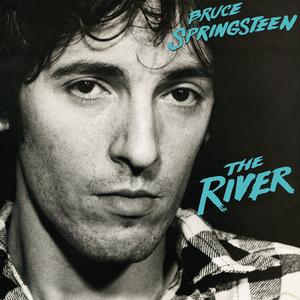
In 1979 Springsteen set about making the follow up to The Darkness on the Edge of Town. He had some hold overs from that album’s sessions (‘Sherry Darling’, ‘Ramrod’ and ‘The Ties that Bind’ for starters) but at this point he was writing songs at the same frequency most pass gas.
It was meant to be a single album that lead away from the more severe sound and approach of its predecessor and showcase the breadth of styles and joyousness of his band’s live sets of the time. Ten tracks, in, out and released late 1979 with a tour to follow, of course. And it almost was. A ten song album, The Ties That Bind was prepared and ready but then… Bruce held back. Because perched at the end of that single album was ‘The River’.
It’s a monumental song. When I got into Bruce via the 1995 Greatest Hits it was this one that caught my ear and made me pay attention. It still does. As with most of the more serious songs on The River the lyrics and themes aren’t as poetic as he’d written before but it’s the belief with which he sings them, the genuine investment which he puts into them that makes them so essential – these aren’t pop songs that can just be sung or waltzed trough, the material demands presence over phoning it in and if you try to sing these songs without giving it your all it will tell. From ‘The River’ to ‘Point Blank’ there’s no argument for a second that he isn’t 100% IN these songs and even after performing them countless times, live it’s clear that this is still the case . That’s why they reverberated at the time and why they continue to do so.
Writing what would become the title track of the eventual double had opened a new avenue, and Springsteen would go on to write more songs about men and women, their relationships and coming to terms with life’s hardships and would develop a much larger album to contain what he saw as the paradoxes of life; the joy and celebration of rock ‘n’ roll, but also its hardness. He wanted an album that continued the stories and themes he’d begun writing about on Darkness but one that didn’t wallow in them and would let in the light with the music that made his concerts such a revelation. He wrote so many more songs that three of those from the original single album were consigned to vaults (including ‘Loose Ends‘ much to Van Zandt’s chagrin). *
For my money it’s a good thing Springsteen did pull back the single album. That first one didn’t contain tracks like ‘Point Blank’ or ‘Independence Day’ (both further holdovers from The Darkness on the Edge of Town) and those other songs like ‘Fade Away’, ‘Drive All Night’ and ‘Wreck on the Highway’ rank among his finest. I’ve already said that ‘Point Blank’ is one of my favourites elsewhere so will instead leave ‘Drive All Night’ here, one that I discovered via the underrated film Copland.
As important as I think those more serious songs are, the album’s duality is what marks it out in Bruce’s catalogue. There’s nothing really like it in terms of the full-spectrum or in terms of its sound. After years of sessions, agonising over track listing and capturing the right sound in the cavernous room they were recording in, the album that arrived was something much rawer than its predecessor. Gone were the wall-of-sound theatrics of Born To Run or the tense energy of Darkness.. in their place was a looser, more raucous garage-rock style (Van Zandt with a much larger production role) with a raw, jubilant sound and some of Springsteen’s finest vocals.
While there’s a couple of less-than-classics on the first half, (but even Crush On You has a catchy-as-a-cold riff) kicking off with ‘The Ties That Bind’ there’s a run of pure gold on it: ‘Jackson Cage, Two Hearts, Independence Day, Hungry Heart, Out In The Street (“oh oh oh oh oh!”) that makes for a near unbeatable half-hour of listening and was his most unabashed run of rock music to date.
Even the second half of the album, home to some of Springsteen’s heaviest material (just look at the lyrics to the closing ‘Wreck on the Highway’), features some of his most out-and-out direct rock music. From ‘Cadillac Ranch’ to the most obvious, daftly joyous and infectious mission-statement he’s made:
Whenever you read those stories about Bruce turning up at local shows and getting up on stage to cut loose, you know (hope) it’s going to be with those songs that represent the lighter half of The River and his catalogue. He’s not going to get up draw out ‘Point Blank’ or ‘Ghost of Tom Joad’ he’s going to strap on the guitarist’s spare and blast through those straight-ahead, life affirming songs that he does so bloody well like ‘You Can Look (But You Better Not Touch)’ or he’ll give it the “let’s roadhouse” and kick into ‘Ramrod’ and the place will go fucking nuts.
So with so much pure Springsteen gold, why doesn’t it sit at the top? Personally, I think Bruce is at his best when focused. A double album is a lot to give attention to – twenty tracks doesn’t necessarily make for one session and the jarring nature of it can at times mean a slight stumble in flow. It’s a sod on vinyl but even when playing it in the car on CD, by the time I’ve made it through to the end of the second disc, the start of the album all the way back at ‘The Ties That Bind’ seems like a long time ago and isn’t as fresh in the ears as, say, ‘Radio Nowhere’ is come ‘Devil’s Arcade.’ However, it’s easily Top Five (and I’m sure it’s atop many a list) because what comes between those two distant points is so fucking good.
Even Steven Van Zandt admitted; “If it had been a single album, it would have been appreciated more, especially if he had put more of the pop-rock stuff on there. It would have been our biggest album. All you gotta do is throw on “The River” — that’s all the content you need. A little of Bruce’s content goes a long way. But he felt he had to do eight or ten songs like that.”
It was appreciated – critics fell over themselves to hand plaudits to its “weighty conclusions, words to live by”**, it topped the charts in the US and did well elsewhere too, going on to shift sufficient copies to sit immediately behind his two Born.. albums in terms of overall sales. Yet it’s often overlooked in his catalogue, not only because of its length but because, perhaps, it also sits between those two periods – it’s nestled between the breakout of Born To Run and Darkness and the massive explosion of Born In The USA.
With twenty tracks written and recorded at a period that Springsteen and the E Street Band were untouchable, it’s got the lot: from the silly (‘Crush On You’) to the serious (‘Wreck On The Highway’), everything in between, including Bruce’s first Top Ten hit (‘Hungry Heart’). The River is the best one-stop slab introduction for anyone who wants to get a grip on every aspect of his writing.
Highlights: We’re well into 5 Star territory here so, as before: The whole bloody thing.
*these are far from the only songs recorded during this period consigned to the vaults. Most of Disc 2 of Tracks contained songs from this period whose omission boggled the brain and then The Ties That Bind: The River Collection set offered even more. My favourite:
I’m still on a bit of a Bruce break before delving into the Top 5* next week so here’s a little of what I’m playing at the moment.
Jets To Brazil – Wishlist
After the demise of the punk-leaning Jawbreaker, Blake Schwarzenbach went indie-rock with the more melodic Jets To Brazil. I love the line “If ever I should seem to take for granted, this lovely life that I have been handed, darling don’t just stand there, come knock me around.”
JJ Grey & Mofro – King Hummingbird
A band I found via House of Cards and have explored a little more since. A real earthy, blues/rock jam band feel with plenty to enjoy. This is from their fifth album Georgia Warhouse and is the kind of ballad that Chris Robinson would have given his right arm to write / sing.
Chamberlain – Lovely and Alone
On the subject of bluesier sounds…. I got into Chamberlain thanks to one of those long-since departed record shops that had notes / guides from the staff: “for fans of…” “..latest project from…” sort of thing. Formed by members of hardcore band Split Lip, Chamberlain saw them move into a more mature sound and focused on the vocals, never really cut through despite getting a pretty solid fan following. I got hold of Exit 263 while they were still around and later found out that it’s actually a collection of demos they compiled for release after it was rejected by their label. Shame…
Talking Heads – And She Was
Because nothing beats a classic.
One more?
Prince – Sometimes It Snows In April
Because his music is now up on Spotify I’ve been building my own Purple play list. Sat at the piano saying goodbye to his alter-ego from the Under The Cherry Moon film…
*Tricky as, definitely for the Top 4, the order from this point could change daily.
**They’re like buses: you wait years and then two Black Crowes references in as many posts. Maybe I’ll dust off The Southern Harmony and Musical Companion…
I got into The Replacements too late. I had to, really, they split up before I was eleven… What I mean is that they’re one of those bands that when I finally did get into them I hungrily devoured the lot and couldn’t believe that I’d left it so long to be hearing these songs. They’re a band that cast a long shadow and I’d heard more about them and their influence before I’d even heard a note of their music.
In fact, my first introduction was via the two Paul Westerberg solo tracks on the Singles soundtrack*. Having made the connection between singer and former band I went back, then forward into Westerberg’s solo discography.
Considered by many as pioneers of the alt-rock scene and with a legacy that’s at odds with the success they achieved during their run, The Replacements blew out of Minneapolis in 1979 as punk rock band whose début album, Sorry Ma, Forgot To Take Out The Trash, was a raw, raucous affair but, by the release of the follow up, Hootenany, the band was quickly evolving and songs like ‘Within Your Reach‘ marked the way forward as elements of blues, folk and chiming pop were bought to the fore along with Westerberg’s insightful and maturing song-writing skills. The difference between ‘Kids Don’t Follow‘ and the beautiful ‘Achin’ To Be‘ was massive.
Success wasn’t to be theirs, though. As much as they may have been at the forefront of the alt-rock scene, the self-destructive nature of the band meant that by the time the world started to pay attention, they were already imploding and they’re remembered more for potential than for breaking through. Poor production, famously disastrous live shows and TV appearances and internal strife meant that 1990’s All Shook Down would be their final album. That album was originally intended to be Paul Westerberg’s first solo album and, as such, features predominantly session musicians. The label talked him into making it a Replacements album. It would be three years before his first solo album would arrive…
The band (well, Tommy Stinson and Paul Westerberg) would reform 22 years later for a series of live shows, a victory lap for the praise and recognition they’d received after their split. There were a few abortive attempts at recording but Westerberg’s heart wasn’t in it and during the final shows he’d decorate his t-shirts with giant letters, eventually spelling out the missive: I HAVE ALWAYS LOVED YOU. NOW I MUST WHORE MY PAST.
14 Songs:
So, on a bit of a Bruce break**, I flicked as randomly as possible through my iTunes and landed on the brilliant ‘Runaway Wind’ from 14 Songs, which lead to digging out the CD and spending a few days with it in the car for the first time in a long time.
While it’s not exactly a masterpiece, it’s bloody good and starts with a run of four great songs, kicking off with a highlight, ‘Knockin’ On Mine’:
Don Was was a big fan of this album and would play it daily while recording The Rolling Stones’ Voodoo Lounge. I can get that, I love the guitar tones on this album and there’s a few on here that are clearly indebted to the Stones – this, the loose grove of ‘Dice Behind Your Shades’ and ‘Silver Naked Ladies‘ whose great instrumentation, bluesy guitar, honky-tonk piano (courtesy of Ian McLagan) and outright Jagger impression are so obvious I’d lay money on Westerberg having done a Jagger Shuffle*** dance in the studio. It’s a shame the lyrics are on the cack side. Don Was would produce Westerberg’s third solo effort and told him that Keith Richards would spend each morning cranking ‘Knockin’ On Mine’ out at full volume.
It’s assumed that ‘World Class Fad’ is about Nirvana’s Kurt Cobain… There’s an oft-commented upon similarity between the pair’s bands and Courtney Love was a big Replacements fan, her band often murdering covering ‘Unsatisfied‘. Chris Robinson of the Black Crowes**** had said “Yeah, Nevermind is a great Replacements record” which must’ve really cheesed Cobain. In the liner notes to the Westerberg’s Best Of (the brilliantly titled Besterberg) he slyly comments that “someone very famous thought it was about him” neither denying or confirming that it was… if that’s the case then “You wax poetic about things pathetic, as long as you look so cute” must have stung a bit. It’s a great tune though.
There was always a dichotomy in The Replacements between the soft and the hard. Westerberg has surmised it as “Sometimes you just love the little acoustic songs, and other times you want to crank the goddamn amp up, and those two parts of me are forever entwined.” That meant songs like ‘Here Comes A Regular’ rubbed shoulders with ‘Bastards of Young’ on Tim and the same is true in his early solo work though, free from the burden of being in a ‘punk’ band, there’s not so much hesitancy to bring out the acoustics or slower material.
‘Runaway Wind’ – for example is a great tune. Originally written for and turned down by Robin Zander, it’s vocal was recorded in just one take and features a brilliant Westerberg lyric: “You trade your telescope for a keyhole, Make way for the grey that’s in your brown, as dreams make way for plans, see ya watch life from the stands.”
Elsewhere tracks like ‘Even Here We Are’ and ‘Black Eyed Susan‘ are delicate, gentle acoustic numbers whose lo-fi production choices make them sound like lost, dusted-off gems sandwiched as they are between glossier sounding tunes and ‘Things’ is a delightfully sloppy yet endearing number. ‘Black Eyed Susan’ was recorded in Westerberg’s kitchen and the sound and lack of success in capturing a better take meant it made the album while ‘Things’ showed that even in his romantic tunes, Westerberg could add a tinge of sadness: “I could use some breathing room but I’m still in love with you.”
Even the best Replacements albums had some outright howlers buried in amongst the gold (I really don’t think anyone is going to make a case for ‘Lay It Down Clown’) and on 14 Songs that particular number is ‘A Few Minutes Of Silence’ – if the album had been called 13 Songs the track wouldn’t have been missed.
With the comic, cynical take on plastic surgery, ‘Mannequin Shop‘ (“You look bitching you look taut, I`m a itchin’ to know what was bought?”) oddly sequenced between the harder, more straight-ahead and solid rockers ‘Something Was Me’ and ‘Down Love’ I can’t help but think that, with better attention to the running order and a tiny bit more selectiveness on the tunes, 14 Songs would’ve gone from being bloody good to great in no time. It’s got a real band dynamic that’s often missing on singer-songwriter albums, a relaxed vibe and finds just the right balance between the two-sides of Westerberg’s writing, wrapping up his romanticism, wry lyrics and self-depreciating humour in a very strong collection of songs.
It wasn’t to be, though. Much like his former band, the album generated some strong reviews but failed to catch on commercially. By the time he released his solo record, the bands who he had influenced and shared listing with on the Singles soundtrack were getting the attention. From here there would be two more major-label albums before he’d ditch working with producers and go the home-recording route where he’d go on to pen some of his best work, even if not so many heard it (see 2008’s 49:00, if you can) before, following the 2012-15 Replacements reunion, forming The I Don’t Cares with Juliana Hatfield. Their album, Wild Stab, is well worth a listen, too and I’ll finish off with a tune from it…. “Dreams I had before are now too bored to even show up.”
*If we’re talking best movie soundtracks (which I probably will one day) then this one will be way up the top of the list.
**It’s a lot of fun but I’m now about to hit the Top Five (which means I’ve already cleared fifteen) and could do with cleansing my aural palate a bit.
***We’ve all done it. I even had ‘Mixed Emotions’ played at my wedding so I could make use of the wooden dance floor this way.
****Is this really the first time I’ve mentioned The Black Crowes here? Given how near-perfect those first three albums were I’m very surprised…
“The alternate route to some of the destinations I travelled to on my records.” Bruce Springsteen
“Every song on Tracks is a lost argument”. Steven Van Zandt.
Strap in, this one is a long one…
In 1998, with eleven studio albums to his name, close to 75% of Springsteen’s work remained in the vaults. His mammoth studio and recording sessions from Darkness on the Edge of Town onward meant that he’d essentially written four albums worth of material for every one that was released. His production and arranging partner for much of this time, Steven Van Zandt, would get frustrated by this practice – especially when he had to work so hard for his own songs – as many of his favourite tracks would end up shelved despite being the sort of thing other acts could make a career from but has referred to this period as Bruce’s “hundred song phase”. Not many artists are capable of such sustained writing periods, let alone when the material was so solidly strong.
When Tracks was released in 1998 it had already been whittled down from six discs of material to four and the 66 tracks ran from Springsteen’s 1972 audition tapes for Columbia through roughly chronological order to the late 90’s, divided up (as illustrated by the covers given to each of those discs inside the box) into what Bruce saw as the sections of his song-writing arc. Given that it came at the end of an otherwise sparse decade for Bruce fans, it was embarrassment of riches; of the songs included a handful had been released as B-Sides, some had leaked out on bootlegs and some had been heard live but never released. Plenty of them though had never even been heard of.
Those audition tapes kick proceedings off but, given the bare-bones approach to their released versions, don’t offer anything other than a passing interest and ‘Bishop Danced’ isn’t all that good if I’m honest. The first disc is made up of out-takes that, for the most part, it’s clear to see why; the songs are good ideas but don’t really make for strong contenders. I couldn’t imagine much debate went into ‘Zero & Blind Terry’ vs ‘Incident on 57th Street’ but the songs are good examples of Bruce working out ideas in the studio, with many a part stripped from one and dropped into another – albeit a couple of decades later with ‘Seaside Bar Song’s “the highway is alive tonight” lyric. But that’s because, up to, and including, the Born To Run sessions, Bruce’s writing hadn’t hit its stride (in terms of prolificacy not quality) and I imagine the constraints put upon him by the record label meant the time to do so wasn’t afforded to him in the way the Appel lawsuit would force it. For once the first disc reaches ‘Rendevous’ and the sublime ‘Iceman‘ we’re jumping into songs from Bruce’s most fertile period and the quality kicks up into a different gear. The leap is noticeable between ‘Linda Let Me Be The One’ and ‘Don’t Look Back’.
Now, in the same way the The Promiserepresents a lost album, the second and third discs of Tracks are nigh on faultless and could easily make up three classic albums from tracks completely omitted from The River and Born In The USA. Just take the breathless joy of Disc 2 opener ‘Restless Nights’ as Danny Federici whips up a dervish on his keys before Bruce’s guitar rips into it a minute and a half in:
Tracks like ‘Roulette‘, ‘Dolls House’, ‘Where The Bands Are’, ‘Loose Ends‘, ‘Living on the Edge of the World’ are pure, perfect three/four minute pop songs. Van Zandt was aghast that these were shelved – believing an album of these, plus ‘The River’ would be been a great thing. He’s not wrong. ‘Living on the Edge of the World‘ perhaps sounds strange but that’s because Bruce would take a few of it’s lines and strap them to altogether different beats for Nebraska‘s ‘Open All Night’ and ‘State Trooper’. Oh and there’s the absolute classic ‘Take ‘Em as They Come’ which just bounds along on a stellar beat that surpasses many a released song.
Slipped just before ‘Take ‘Em..’ is a Born In The USA out-take whose existence was previously unknown;
‘Wages of Sin’, another Bruce classic, is the first hint of what’s to come on Disc 3; a wealth of tunes that were recorded between 1982 and 1984 in that protracted recording period that lead to Bruce’s biggest-selling album. As big as that album was, the tracks that didn’t make the cut could easily be put together into an alternative album that would’ve been as good if not better. Just picking a handful of those tracks, say: ‘Wages of Sin, ‘Rockaway the Days‘, ‘Shut Out the Light’, ‘This Hard Land’, ‘Frankie’, ‘A Good Man Is Hard to Find (Pittsburgh)‘, ‘Lion’s Den’ will give you a strong album, if you were to add ‘My Love Will Not Let You Down‘, which breezes and rocks past plenty like on Born In The USA then you’ve got a classic and that’s without even mentioning another previously unheard of song – ‘Brothers Under The Bridges ’83’:
More than an ‘alternate route’ there’s alternate albums here. Oddly enough, Bruce even toyed with yet another album approach between Nebraska and …USA. Buoyed by the positive reception Nebraska‘s stripped-down sound received he headed back and laid down a few more tracks in a similar bare-bones, minimal approach before abandoning and heading back into the studio with the full band. Of those recorded during those sessions the soft tribute to Elvis, ‘Johnny Bye Bye’ and ‘Shut Out The Light’ would end up released as b-sides for ‘Born in the USA’ and ‘I’m On Fire’ before their inclusion on Tracks.
It’s not only ..USA that could’ve taken a different theme – just take a look at the difference in themes on those songs recorded during the Tunnel of Love sessions. ‘The Wish‘ is perhaps most known of these- a song Bruce wrote for his mother but felt unable to release officially given its sentimentality – while ‘The Honeymooners’ (a home-recording with the sound of dog barking captured in the background), ‘Lucky Man’ and ‘When You Need Me’ give a different insight to the men & women relationships that album tended to lean toward. Hell, ‘When You Need Me‘, similar in its uncomplicated sentiment as ‘Two For The Road’ is as content as Bruce would get this side of Lucky Town: “When you need me call my name, ’cause without you my life just wouldn’t be the same”.
The final disc loses the momentum a little with a lot of bass-heavy songs cut during the Human Touch sessions weighing it down. “I wrote about half a record on the bass, where you had a note and you had your idea. The only one that made it to release was ‘57 Channels,’”… indeed, and on Disc 4 there’s the remainder of those cuts – all exploring similar themes (internal dialogues working out psychological or relationships as Bruce himself was at the time) but none that really stand out as worthy of going further. That being said I’d rather something like ‘Gave It A Name‘ or ‘When The Lights Go Out’ had seen release over the aforementioned Human Touch cut itself.
There’s still plenty to enjoy, though. In ‘Songs’ he explains that to shake off his writer’s block, Bruce started sessions for Human Touch by experimenting with different styles he “had always liked: soul, rock, pop, R&B”. If you ask me, removed from much of the heavy-handed production that spoilt that album, they shine brighter here. One such song ‘Sad Eyes‘ is a cutting tune that’s better than most released on that album (and features David Sancious who also plays on ‘Part Man, Park Monkey’), ‘Seven Angels’ is back to the rock but undercut with more humour and looseness than anything that made the cut and ‘Gave It A Name’ – the master take couldn’t be found so Bruce and Roy Bittan recut the track in ’98 – is masterful in it’s minimalism. Oh, and there’s also ‘Happy’ the sole out-take from Lucky Town omitted only, I guess, because it shared the “gold and diamond rings…drug to ease the pain that living brings” line with the superior ‘My Beautiful Reward’.
The box is rounded out by the then-latest omissions. ‘Back In Your Arms‘ features the E Street Band and was recorded during the Greatest Hits sessions – like ‘Secret Garden’ it was originally one intended for Bruce’s shelved ‘Philadelphia’-style album – while ‘Brothers Under The Bridge’ is a beautiful out-take that was, exasperatingly when you considered what it could’ve replaced, omitted from The Ghost of Tom Joad and brings the set up to what was then Bruce’s most recent studio sessions. A story about a homeless Vietnam veteran living “who has a grown daughter that he’s never seen, and she grows up, and she comes looking for her dad. And what he tells her.” It would be performed live after ‘Born in the USA’ or ‘Shut Out The Light’ to place it within Bruce’s Vietnam arc and its one of those songs (like ‘The Promise’) whose live rendering meant fans were puzzled by its omission from the record.
Not everything on Tracks is brilliant but a lot of it is, much of it is very strong and some of the songs are absolute Bruce classics that stand above many in his catalogue. That’s why it’s on this list and why it’s on this list in this place; if I were talking to a Bruce newbie I’d recommend many of the songs on here well before a lot in his catalogue.
While many box-sets merely curate already-released material with a smattering of live cuts or offer up b-sides that are clearly inferior to their As, Tracks represents a much deeper fleshing out of the Springsteen narrative and emphasises just how strong a songwriter he is; even those tracks omitted from his albums piss all over many artist’s hits. Four discs and 66 songs is a lot to get through but it’s worth it. If you’re pressed for time then Discs 2 and 3 contain enough gold to make sure the box is worth of inclusion as an essential addition to a Springsteen collection / discussion.
Highlights: ‘Iceman’, ‘Don’t Look Back,’ ‘Restless Nights’, ‘Roulette’, ‘Take ‘Em as They Come’, ‘Shut Out the Light’, ‘My Love Will Not Let You Down’, ‘Frankie’, ‘Rockaway the Days’, ‘Brothers Under the Bridges ’83’, ‘Seven Angels’, ‘Gave It A Name,’ ‘Happy’, ‘Brothers Under The Bridge’
Not-so-highlights: The omission of ‘The Promise’. This actually lead to many a complaint from fans. A new recording of it would be slapped on the single-disc-sampler/cash-in 18 Tracks along with another couple of ‘new old’ tracks – ‘The Fever’ and ‘Trouble River’. 18 Tracks, intended for fans who didn’t fancy the full box, actually fared worse than Tracks in terms of sales and charting; Tracks was something of a hit for Bruce, hitting the Top 30 and shifting plenty of units, defying expectations for a Box Set in much the same way as Live: 1975-85 had a decade earlier.
“You end up like a dog that’s been beat too much
Till you spend half your life just covering up”
Bruce at his largest in terms of both commercial appeal and sound, this was the spark that ignited ‘Boss Mania’ and saw Springsteen go from playing to packed arenas of the faithful to selling out stadiums and play-acting himself to newer audiences against a screen that projected his newly pumped-up image punching his fist into the air, ushering in the final verse of the misappropriated title-track to his then-new album Born in the USA to the cheap seats at the back of the crowd.
Thirty million (and still counting) sales, seven top ten hits. That cover. That Ben Stiller parody. Born in the USA is Bruce’s biggest selling album and, probably, his most well-known. Yet commercial heights do not always equal creative heights. There’s always a sacrifice, a deal with the devil to achieve those numbers. For my money, the production and sound on this blockbuster meant that the details that make for a great Bruce song were sacrificed somewhat.
But let’s not get confused, though. At this point in the list we’re really getting into the quality end of the spectrum, the wheat has been separated from the chaff and we’re down to lining up in order of personal preference and anything from here on in will likely regularly feature on any stereo and may well top other ‘favourite / best’ lists.
The title track is inescapable, even on this side of the Atlantic, whenever Bruce is mentioned. That’s not necessarily a bad thing, it’s a belter of a song. Let’s skip over the way in which it was misinterpreted as that’s been discussed ad nauseam. I think what fascinates me is just how different this version is from the original demo cut around the Nebraska sessions is (perhaps this was the key to the sacrifice – in its original form it would not have been so misunderstood yet would never have reached such a wide audience) and that the version on the album is only the band’s second take at it – Max Weibnerg didn’t even know Bruce was going to count the band in for another punch at the four-and-a-half minute mark but The Boss has praised ‘Born in the USA’ as his drummer’s finest recording*.
That being said, I dont’ always listen to it when I play the album so over-exposed did it become and it was one of those songs that put me off Bruce initially. Listening to Chapter & Verse recently it sounds so out of place sat between ‘My Father’s House’ and ‘Brilliant Disguise’ as to almost sound like the work of a different artist. Almost.
Perhaps it was a cultural thing – Reagan harped on about a new morning in America while that country’s cinema heroes of the early 1980’s were muscle-bound and jingoistic, here we were had Thatcher and mining strikes (cinema audiences dropped to an all-time low in ’84) so a bicep-baring Bruce singing heartland rock against a backdrop of the Stars and Stripes was never going to be as huge here as it was in the US** and I don’t think this one has quite the lasting appeal in comparison to his other work.
I think that those songs at the start of the album are the ones I enjoy least and rarely listen to. I’d struggle to quote a lyric from ‘Darlington County’ say, or easily recognise ‘Working On The Highway’ if played live. The recording of Born In The USA dates back to 1982 and many of the tracks were written at the same time as those that appeared on Nebraska**. Bruce himself has said that “if you look at the material, particularly on the first side, it’s actually written very much like Nebraska – the characters and the stories, the style of writing – except it’s just in the rock-band setting.” Given that the fabled ‘Electric Nebraska’ has yet to see the light of day I can see why, the songs just don’t suit the sound – in my own humble.
Perhaps its another one of those results of a protracted recording period. Sessions for the album were spread over so many months (years even) that it can seem a little disjointed and with so many songs recorded it would be hard to find the perfect balance and he toiled with it for a long time. At one point in 1982, with the demo tape that would become Nebraska ready for release and a record of band material also ‘ready’ he toyed with releasing the two as a double album; one solo, one ‘band’ with a tracklisting ready as:
BORN IN THE U.S.A
MURDER INCORPORATED
DOWNBOUND TRAIN
DOWN, DOWN, DOWN (I’m Goin’ Down)
GLORY DAYS
MY LOVE WILL NOT LET YOU DOWN
WORKING ON THE HIGHWAY
DARLINGTON COUNTY
FRANKIE
I’M ON FIRE
THIS HARD LAND
Yet then he released Nebraska as a stand alone (no tour, no real fanfare) and took a break before picking up recording again in early 1983 with newer songs coming up and wouldn’t conclude until February of 1984. As such a wealth of material was recorded and never released – you could easily pick a dozen of any such songs and create an album that would still be considered a classic. So the protracted recording, agonising and umming and erring (toying with releasing different selections and demos as is) as Bruce searched for that elusive ‘binding factor’ means that perhaps this record isn’t as consistent as it deserves to be.
But… but BUT. This album contains a wealth of such strong material that even if I tend to skip a few tracks a the start there’s enough here to warrant its inclusion in the top half of this list. Even limiting myself to two tracks from each album when I compiled my own Top 20 Springsteen songs was a tough one with this album and those I chose weren’t released as singles.
‘Downbound Train’ remains one of my favourite Springsteen songs and one I feel is criminally overlooked.
‘I’m On Fire’ gets many a play as does ‘Bobby Jean’. And then there’s ‘Dancing In The Dark’. When Landau listened to Born in the USA his reaction was “we don’t have a single” and told his charge to go home and write one. Legend has it a guitar was thrown at this point. However, Bruce set about writing about his frustration about writing – “It went as far in the direction of pop music as I wanted to go – and probably a little farther.” His biggest single to date (with it the album actually had seven) and one which initially wasn’t popular with the band. Van Zandt has said “It was much, much, much more produced. I didn’t like that song when I first heard it.”*** While it may still have its detractors I still really enjoy it a lot more than some of the album’s other singles like ‘Glory Days’.
Overall Born in the USA is something of a grab-bag album. Certainly affected by over-production in its unabashed reach for the maistream (no qualms here, if any artist is going to shift thirty million copies of an album I’d rather it a Springsteen than a Beiber) it nonetheless contains more than its fare share of solid Springsteen tunes that carry the album into the higher quality end of his catalogue.
Highlights: ‘Downbound Train’, ‘Bobby Jean’. ‘I’m On Fire’, ‘Born In The USA, ‘No Surrender’, ‘Dancing In The Dark’.
*While Weinberg is fond of the song for the same reasons, his favourite of these sessions, ‘This Hard Land’ was shelved like so many of the 80(!) recorded.
**It was a hit, though, nonetheless, topping the charts and shifting just over a million. I don’t feel though that it had quite the same cultural impact as it did for Bruce at home.
***Van Zandt would leave the E Street band in 82 (though this wasn’t really announced until after the recording of Born in the USA) and Nils Lofgren would join in time for the tour. The official line being that he’d joined in order to help see Bruce rise to success and, job done, it was time to focus on his own music.
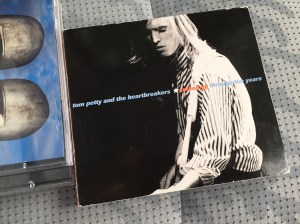 These are inevitably some of the most well played volumes on my shelves and have served as starting points that have introduced me to many a loved band. That’s certainly the case with Tom Petty and the Heartbreakers’ Anthology: Through The Years.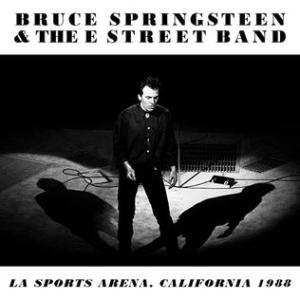




 Mumbling About...