Albums of my Years – 1990

Ah 1990 – the start of the decade to which this blog returns so often in its internet-powered DeLorean.

At the start of 1990 a platform on which many of the decade’s biggest names would appear over the coming years kicked off in January; MTV Unplugged aired for the first time in January, featuring Squeeze.

Billy Idol took a spill on his motorbike in February, breaking a fair few of his bones. It meant that the major role Oliver Stone had in mind for him in ‘The Doors’ was reduced to a bit part and, in a very curious twist of fate, the role of T-1000 in the upcoming ‘Terminator 2: Judgment Day’ had to be recast entirely having originally been written for him. That would have been a very different film.

On March 16th, Mother Love Bone singer Andrew Wood was found in a comatose state by his girlfriend Xana La Fuente. Having struggled with a drug addiction for some time previous, he’d overdosed on heroin. He was placed on life support in hospital, however the haemorrhage aneurysm he’d suffered meant that he’d lost all brain function. After friends and loved ones had said their farewells to one of the Seattle music scene’s beloved and promising figures, his life support was switched off and he passed on March 19th. Mother Love Bone’s debut album Apple would be released in July.

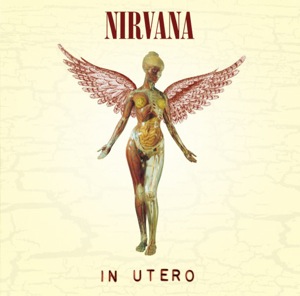
In April a promising band from Aberdeen, Washington got together with a producer called Butch Vig in between tour stops to record a few tracks for their second album. Nirvana were still signed to Sub Pop but were already looking to make changes. After recording a few tracks with Vig, Cobain and Noveselic weren’t thrilled with either their label or drummer. Very soon Chad Channing would leave Nirvana and demos from the session in Madison would be landing on the desks of keen major labels. Melvins front man (and general knob head) Buzz Osborne introduced Nirvana to Dave Grohl – probably because he wanted his own drummer back as Dale Crover had been sitting-in as the band toured with Sonic Youth. By the end of 1990 Nirvana had a new drummer in Dave Grohl and were signed to DGC Records following the advise of Kim Gordon and Soundgarden manager Susan Silver (hence; “forever in debt to your priceless advice”). They’d give Butch Vig a call again in 1991…

In August, the Alpine Valley Music Theatre welcomed all-star encore jam session with Stevie Ray Vaughan and members of Eric Clapton’s touring entourage. As there is only one road in and out of the venue, the band took a helicopter on to Midway International Airport. However, having taken off in foggy conditions with limited visibility, the helicopter crashed into a nearby ski hill. Pilot Jeff Brown, agent Bobby Brooks, SRV’s bodyguard Nigel Brown,tour manager Colin Smythe and Stevie Ray Vaughan were all killed. Vaughan was just 35.

Mother Love Bone guitarist Stone Gossard, devastated by the loss of Wood, had spent his time following Wood’s death writing significantly harder-edged songs. He got together with another guitarist for a couple of jams and it was Mike McCready who suggested Stone give his former band mate Jeff Ament a call to get involved with the music they were putting together. The then-trio put together a five-song tape to use in recruiting both a drummer and singer. They sent the tape to Jack Irons, the former Red Hot Chili Peppers drummer, to see if he’d be interested in getting behind the drums for the new band. Irons had just formed a new band called Eleven and passed but, at their request, said he’d share the tape with any singers he knew that might be suitable. He knew a dude called Eddie Vedder….  Vedder listened to the tape before heading out for a surf where inspiration struck: he  then recorded the vocals to three of the songs (“Alive”, “Once”, and “Footsteps”) as part of what became known as the Momma-Son trilogy. He sent the tape back and within a week Vedder was part of the band. Mookie Blaylock – as the band was then called – played their first gig at Seattle’s Off Ramp on October 22nd 1990.

Soundgarden singer Chris Cornell, who had been roommates with Andrew Wood, started writing a few songs in tribute to his friend as he headed out on tour in Europe a few days after his passing. As the music was outside of Soundgarden’s wheelhouse, he approached Ament and Gossard with the idea of recording the two songs and putting out a single. Rounding out the lineup with Mike McCready and Soundgarden’s Matt Cameron, Temple of the Dog was formed and the idea of a single was put aside for an EP which became an album recorded in 15 days. It was the first album to which Eddie Vedder would contribute – during the recording of ‘Hunger Strike’, Cornell was having difficulty putting the vocal parts in place during a practice so Vedder (having just flown up from San Diego to ‘audition’ for Ament and Gossard) stepped up and, according to Cornell; “sang half of that song not even knowing that I’d wanted the part to be there and he sang it exactly the way I was thinking about doing it, just instinctively.”

Along with Pearl Jam and Temple of the Dog, 7 Year Bitch, Blind Melon, Tool, Tortoise, Truly and The Verve all formed in 1990.

So what about album releases in 1990? Buffalo Tom’s second album Birdbrain, again with J Mascis assisting in production, dropped in ’90 as did Jane’s Addiction’s second album, Ritual de lo Habitual, both of which stocked with great tunes though only one contained a track about shoplifting that would be played to death despite it being one of the album’s weakest songs.

Screaming Trees singer Mark Lanegan also released his debut solo album in 1990 – The Winding Sheet marked a real move away from the sound of Screaming Tress and, while not his finest, is well worth a listen. There was also a debut from The Breeders – a band started by Pixies bass player Kim Deal as a response to her growing lack of fulfilment in that band. Pod was made for a tiny budget and recorded in something daft like ten days but went down a storm, with Kurt Cobain often citing it as amongst his favourite albums.

Meanwhile, in a genre that seemed a thousand miles away a band that would later come to curse the advent of the Seattle Sound*, The Black Crowes released their storming blues-rock, hard-southern-rock first album Shake Your Money Maker. Not gonna lie; I like this one a lot, it’s an unabashed blast of the good stuff from start to finish that always goes down well.

Speaking of that scene which would become so dominant in the next couple of years, Alice in Chains got a jump start and released Facelift, their first album, in 1990. I mean, just take a look at some of the tracks on it – ‘We Die Young’, ‘Man in the Box’, ‘Sea of Sorrow’… ‘Bleed the Freak’, ‘Love, Hate, Love’…… it’s an absolute benchmark of an album that should be included in all kinds of lists and still is. It was the first ‘grunge’ album to go reach Gold status (in September ’91) though its sales would soon be eclipsed by other bands of that scene, Facelift remains a great album.

Across the Atlantic, another debut was released in 1990; the first and only album from The La’s; The La’s. The recording, release and end of the band’s career is a hell of story that’s worth it’s own post alone one day but their sole album remains a classic some thirty years on and I still remember feeling gobsmacked standing in the crowd at Wembley Arena in 2000 as Eddie Vedder started pontificating on it from the stage before breaking into a cover of ‘Timeless Melody’:

Not just a year of great first albums, 1990 saw the final album from The Replacements, All Shook Down – a great group of tunes that Paul Westerberg had originally intended to be for a solo album before his management persuaded him otherwise – more on that can be found here.

Having completed work on The Breeders’ Pod in England- Kim Deal headed back to the US and joined the rest of the band in LA as Pixies recorded their third album – Bossanova, released in August of 1990.  An absolute classic, Bossanova is a great album and contains a wealth of great tunes like ‘Velouria’, ‘Dig for Fire’, ‘Allison’ and is a regular in my car to this day.

Again, it’s an all-time favourite of mine but it was released in a year that was already beginning to feature some of those albums I’d mark as such, especially…

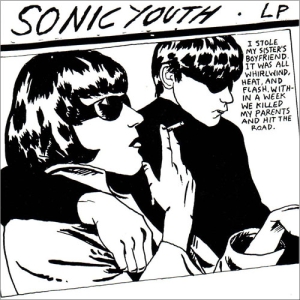
Sonic Youth – Goo

At some point in my 20s I’d reconnected with a friend I’d worked with before who had then gotten a job in a record shop (well, cds). He was in a band and I gravitated toward the scene, we’d all hang out, get small and absorb music and go to band practice etc…

At some point I needed a new place to live and ended up moving into this guy’s flat for a while. It was above a bakery which meant that it was like an oven in the summer and, at night, often impossible to sleep because the threshing machine beneath my room would kick off and clatter into the early hours…. heady days. It was there I discovered Sonic Youth and Goo. I still distinctly remember sitting there as my friend queued up ‘Tunic (song for Karen)’ for the first time. I may have been a little… baked, I can’t recall for sure but what I do remember is being hypnotised by it and very quickly becoming obsessed with it.

Released in June 1990, Goo is Sonic Youth’s sixth album and their first for DGC. In an attempt to test the humour of their new label they gave the album the working title ‘Blowjob?’ – I doubt there’d be so many t-shirts featuring its iconic album art (created by Raymond Pettibon) if they’d pushed too hard on that.

Aside from my own love of the band, Goo is apparently responsible for Placebo. Brian Molko has said that ‘Kool Thing’ was the first Sonic Youth song he heard and, were it not for Sonic Youth, he wouldn’t have started his own band. ‘Kool Thing’ is a delicious piss-take of a song; Kim Gordon had interviewed LL Cool J the previous year for ‘Spin’ magazine, she was a big fan but found his lack of interest in anything other than himself and his grossly misogynistic views appalling. ‘Kool Thing’ is both a send up of his attitude (Chuck D providing the seemingly disinterested responses) and her left-wing politics.

The exposure of ‘Kool Thing’ and a lot of press helped Goo shift a massive amount of records for Sonic Youth – by December it had shifted 200,000 units, much more than their new label had hoped for – and, as their most accessible (even to date I think this still holds) garnered a huge amount of positive press. Rolling Stone’s review got it pretty spot on in, if a little daft in its phrasing, referring to it as a “brilliant, extended essay in refined primitivism that deftly reconciles rock’s structural conventions with the band’s twin passions for violent tonal elasticity and garage-punk holocaust”.

1990 was the perfect time for Goo – this thing called ‘grunge’ was started to arrive on the scene, people were getting fecked off with the likes of Guns ‘N’ Roses and big stadium ‘rawk’. Hairspray bands were dying – Jon Bon Jovi was a year away from a haircut – and while punk hadn’t ‘broke’ just yet, it was about to; Goo was released at a time when the audience for its music was ripening. They and contemporaries like Dinosaur Jr had put in the groundwork for years before building up their own audience through hard work and harder touring and would now be championed by bands like Nirvana and Pearl Jam, granting their music an even greater level of exposure to an audience hungry for this new alternative (even if they were already five albums in to a stellar career).

For me, the discovery of Sonic Youth’s Goo came along at a time when I was wide open for music and, in my mid-20s, at my most receptive state for it. These were heady, carefree days and I could dive headlong into a love affair with a new-to-me band like Sonic Youth, which is what Goo made me do. This album helped me discover a band that ranks among my favourites and I couldn’t even put a conservative estimate on the number of times I may have listened to it. Daydream Nation is undoubtedly their finest but Goo is both a very close second and a personal favourite.


*In a recent interview, one of the brothers Robinson revealed that they hated everything out of this scene as they felt that the grunge and Seattle inspired alternative shift in music robbed them of greater success they felt due.

Continuing…

WordPress has conveniently pointed out that Saturday was the 8th Anniversary of my first post on this blog.

For that post I looked at a couple of things beginning with Z. I’m not about to go through the whole alphabet – William over at a1000mistakes has done that and I don’t think I could to the same – so let’s carry on going backwards instead and go for the 18th  (8 back from 26) letter of the alphabet: R

R is for Radiohead, R.E.M, The Replacements and Rollings Stones all of whom feature to varying degrees of heavy in my record collection as well as on this blog. It’s also for Rogue Wave and Rilo Kiley who formed part of that early-2000s alt/indie revival that I so enjoyed and occupy a good few spaces on the shelves alongside other ‘R’ artists Damien Rice and some Chili Peppers of the Red Hot variety (I also caught these guys live back in 2001), The Raconteurs, Refused, Rage Against the Machine and one of my favourite singers ever, Otis Redding.. so I’ve put together a quick ‘R’ playlist featuring a couple of my favourites from the above. Sticking to no more than two per artist proved tricky for some but the trickiest bit was trying to get it to flow when the only thing some of these have in common is the letter R. This proved impossible so this is in purely alphabetical:

It’s also for Rainbow – not as in the kids TV show with Geoffrey, Bungle, George and Zippy but as in the band Ritchie Blackmore formed after Deep Purple’s shift in sound didn’t agree with him and is perhaps suitably best known for the belter ‘Since You’ve Been Gone’ which features singer Graham Bonnet and one of rock’s ultimate drummers, Cozy Powell. It seems like I must’ve heard a thousand times as a kid and still enjoy, so:

R is also for Rearviewmirror, one of my favourite Pearl Jam songs and any opportunity to put a little Pearl Jam in a post is a welcome one*:

Also neatly slotting under this one is Romania, which is almost a blog unto itself but as we’re covering R it seems like an opportunity for a roundup. As mentioned in the Out of Europe series (which I need to get back to know those cock weasels pulled the trigger), it’s a country to which I owe so much and have a huge amount of love for despite its contradictions. I’ve been trying to keep my ear in for Romanian music and I’ve got an ongoing playlist on Spotify which I’ll also embed below, should you be so inclined.


I’ve also been able to up my game since starting this blog in terms of finding and reading more fiction from Romanian authors, so much so that I can even share five recommended Romanian reads with you:

Wasted Morning – Gabriela Adameșteanu: this one slots into my Top Ten of all time

For Two Thousand Years – Mihail Sebastian: also very much worth checking out is his Journal 1935-1944 which is a real eye-opener in terms of Romania’s treatment of the Jews during WW2 and will make you think differently about the next author too.

Youth Without Youth – Mircea Eliade: the shelves in our library here have many a story by Eliade on them in both English and Romanian,  there’s a plethora of short novellas and volumes of short stories as Eliade (as much of a dick as he was to his friend) was a prolific writer and his work is often surreal and deals with a lot of spiritual stuff. This is my favourite and a full length novel that was adapted into a film by Francis Ford Coppola in 2007.

Forest of the Hanged – Liviu Rebreanu: I’ve read very few WW1 novels and this is a great one which really takes off and develops into an exploration on the themes of identity, faith and, of course, how ordinary people change in the face of the extraordinary.

The Book of Mirrors –  EO Chirovici: a much more recent (2017) effort that caused a real stir as this was Chirovici’s first novel written in English and was grabbed by publishers in 23 countries in 2015, landing him a likely seven-figure sum just in publishing deals way ahead of its actual publication. It’s also very very good.

Since the start of the new millennium, Romania has also been experiencing something of a revival in terms of it’s film industry, with some really great films picking up acclaim and awards throughout the world. I’m nowhere near as up to speed with these as I’d like to be but, if you’re looking for a good film and fancy seeing what Romania has to offer in this arena you’d do well to check out these.

I think that’s R covered.

*Gigaton review coming just as soon as I can express my thoughts coherently.

Albums of my Years – 1989

1989 saw two events that would have a massive impact on my future, though I didn’t know it at the time: the fall of the Berlin Wall in November and the Romanian Revolution in December. At the time, as an 8 then 9 year old, I wouldn’t have known about the importance of these events – or David Hasselhoff’s involvement*.

But the arrival of glasnost had an impact on the music news of 1989. In January, Paul McCartney Снова в СССР (Back in the USSR) – an album of covers – exclusively for release in the Soviet Union with no exports. Copies that did make their way into ‘the West’ fetched daft money for a Macca album until Paul decided to release it universally in ’91.  August’s Moscow Music Peace Festival was held in Moscow, showing the Russians exactly why Western music should be banned with acts such as Ozzy Osbourne, Mötley Crüe, Skid Row, Cinderella, The Scorpions and Bon Jovi doing their bit to undo decades of international politics and create a hole in the ozone layer over Russia with hairspray use.

1989 marked goodbye for The Bangles, The Jackson 5, Gladys Knight & the Pips, grunge and Seattle scene forerunners The U-Men and both a ‘hello’ and ‘goodbye’ again to The Who – who had reformed for a heavily criticised The Kids Are Alright anniversary tour and promptly called it quits again until 1996. 1989 was the year Bruce Springsteen made a few calls and told the E Street Band he would not be using their services for the foreseeable future. It was hello to The Black Crowes, The Breeders, The Cranberries, Hole, Mazzy Star, Marilyn Manson, Mercury Rev, Neutral Milk Hotel, Morphine, Pavement, Red House Painters, Slowdive,  The Stone Temple Pilots…  oh; and Marky Mark and the Funky Bunch, who all formed in 1989 and were (mostly) poised for some heavy action in the 90’s and presence in my music collection.

In terms of album releases, 1989 has plenty to offer. Five years on from the ‘Boys of Summer’ featuring Building The Perfect Beast, Don Henley and his ponytail released The End of the Innocence with help from Bruce Hornsby and Heartbrakers Mike Campbell and Stan Lynch, I still quite enjoy the title track. 1989 saw a massive return to form for The Rolling Stones: Steel Wheels saw Jagger and Richards healing the rift between them and crafting an album packed with great Stones songs though was the last for both their label Columbia and to feature Bill Wyman who would leave the group at the end of the tour behind the album (though it wouldn’t be announced until ’93).

I’ll also go a little away from the expected here and say that 1989 also saw the release of an absolutely great pop album – Madonna’s Like A Prayer which mixed just under a dozen cracking songs (including one written and produced by Prince) with a classic, lush sound courtesy of Patrick Leonard’s production. Stepping back into this blog’s wheelhouse, Tom Petty released his first ‘solo’ album Full Moon Fever which went onto sell a crazy amount of records and would become his commercial peak. We all know this one – it’s packed from head to toe with pure gold: ‘Free Fallin’, ‘I Won’t Back Down’, ‘Runnin’ Down A Dream’, ‘Yer So Bad’, ‘Alright for Now’… they’re all on here.

Stevie Ray Vaughan and Double Trouble’s fourth album In Step arrived in June of ’89, Billy Joel released Storm Front and let the world know that while he didn’t start the fire, he could create one hell of an earworm alongside the stately ‘Leningrad’ and personal favourite ‘The Downeaster ‘Alexa” and Mother Love Bone released their debut EP, Shine which featured pretty much their only decent songs**:

Anything else released in 1989? Fuck… how about The Cure’s Disintegration – one of the best albums ever?

Or Nirvana’s debut album Bleach? Yes – both of these were released in 1989 along with Soundgarden’s second album and major label debut Louder Than Love which matched them with metal producer Terry Date and then lumped into the ‘heavy metal’ genre for some time much to the complete bemusement of their Seattle contemporaries and fans who knew how different they sounded usually. I think it was Mudhoney’s Mark Arm who pointed out that, pre-Nirvana, when an ‘alternative’ band signed to a major there were only two ways to go: the metal Guns ‘N’ Roses route or the REM route. Soundgarden were heavy and went the metal route.. they’d not really shake it off until 94’s Superunkown.

Meanwhile, riding high again without being high, Aerosmith decided to up the ante with their next ‘comeback’ album and knocked it clean out of the park with the best album of the second-half of their career: Pump. As strong and gleaming as Perry’s torso on the cover, Pump is an album of back-to-back GOLD, with Aerosmith’s raunchy, hard-edged riffing married to a great-sounding production. Less cheesy than Permanent Vacation and less over-worked than Get A GripPump is Aerosmith at their peak and revelling in it, better songs, more power and clearly here to kick arse:

There was also Don’t Tell A Soul by The Replacements in 1989. Much-maligned, the album was royally buggered up by the mix that Chris Lord-Alge decided to apply what, according to Wikipedia, he and his brother were famous for “abundant use of dynamic compression[5] for molding mixes that play well on small speakers and FM radio, thus somewhat contributing to the loudness war” to some of Paul Westerberg’s finest compositions to date. It killed the album at a time when the band were probably at the only point in their career when they coulda shoulda woulda broken through. Instead it’s one for the faithful only to really love and wouldn’t be heard as intended until last years’ Dead Man’s Pop box allowed producer Matt Wallace to release his original mix.

Oh, and then there’s the fact that Bob Dylan decided 1989 was the right time to return to his power and prominence by teaming with Daniel Lanois (who was recommended to him by someone called Bono. You may not have heard of him, he’s the singer with an obscure, little-known Irish band called U2) with the phenomenal Oh Mercy which features more than enough classic Bob Dylan songs to rank it as a vital addition to any fan’s collection:

I’m sure I’ve probably missed a few key albums from 1989 but there were so many. But if none of the above great, classic releases make it as my featured album for the month then it must be Boston’s other famous act….

Pixies – Doolittle

Album number 2 from Pixies is an out and out classic. I still hold by my statement that the band have never released a bad song, but Doolittle contains out and out classics from start to finish – ‘Debaser’, ‘Tame’, ‘Monkey Gone To Heaven’, ‘Here Comes Your Man’, ‘Wave of Mutilation’… it’s just perfect.

I got into Pixies long after they called it a day, I can’t and won’t pretend I was into them when they were originally a going concern. But by the time they got back together and playing shows again in 2004 I was already way up to speed and in love with their back catalogue. When they did eventually get around to making new music (minus Kim Deal who didn’t want to be involved), I was straight on the pre-order link for EP1.

Doolittle was my, and I’m sure loads of other fans’, first Pixies albums and remains an absolute favourite – I got into them on the back of references in interviews of artists who count them as influences (amongst the many, Cobain would consistently cite them as vital) and having heard ‘Monkey Gone To Heaven’. I didn’t look back and within a few weeks had quickly added their then compete works to my collection.

The band’s second album, Doolittle was the Pixies’ first international release and has continued to sell well since release (let’s not get ahead of ourselves; Pixies don’t exactly shift mega numbers) and is often placed in lists of greatest albums be it alternative, 80s or just great albums.

Doolittle marked the band’s first album with producer Gil Norton, they’d work with him on their next three albums (including Indie Cindy) but it wasn’t an instantly harmonious relationship. I’ve often read that Norton isn’t the easiest producer to work with and on Doolittle sessions he’d suggest adding to songs and changing their structure in ways that would often piss Frank Black off especially as he’d try and lengthen their songs. Apparently it got to the point that Black took Norton to a record shop and gave him a copy of Buddy Holly’s Greatest Hits as a kind of “if short songs are good enough for Buddy Holly..” point making exercise. Black would say of Doolittle “this record is him trying to make us, shall I say, commercial, and us trying to remain somewhat grungy”.

Whatever the process and arguments (and I’m not even gonna touch on the whole bickering between Deal and Black), the result is unarguably a classic that was critically and (for the band) commercially well received with sales up to a million units and it remains both one of the best alternative albums of the 80s and a big favourite of mine.


*I don’t know what’s gone wrong in the Hoff’s head or when it went wrong but the man remains convinced he played a, if not the, pivotal role in the reunification of Germany.

**Sorry, as important as the group is to Pearl Jam history they’re a little too glam / Poison cover band for the most part in my ears.

Blog Tour: Mexico Street by Simone Buchholz

From the PR: “Night after night, cars are set alight across the German city
of Hamburg, with no obvious pattern, no explanation and no suspect.

Until, one night, on Mexico Street, a ghetto of high-rise blocks in the north of the city, a Fiat is torched. Only this car isn’t empty. The body of Nouri Saroukhan – prodigal son of the Bremen clan – is soon discovered, and the case becomes a homicide.

Public prosecutor Chastity Riley is handed the investigation, which takes her deep into a criminal underground that snakes beneath the whole of Germany. And as details of Nouri’s background, including an illicit relationship with the mysterious Aliza, emerge, it becomes clear that these are not random attacks, and there are more on the cards…”

OK – so I have a feeling I missed Simone Buchholz’ last book, Beton Rouge, which is something I need to rectify quickly as her first Blue Night was great and Mexico Street is, frankly, fucking awesome – easily one of the best books I’ve read so far this year.

It also means that I can say that you don’t need to have read it to thoroughly enjoy Mexico Street as Simone Buchholz does a great job of keeping things salient in terms of background filling without ever resorting to that “previously in the series” style narrative.

Everything about this book gets a massive thumbs-up from me – it ticks every box. Slow burning plot with the ability to kick you in the pills with a surprise? Yep – the plot of this one is just such a deep dive into the disturbing and fascinating Mhallami culture, the sleazy drugs-and-money slime of insurance… all the while trying to piece together a murder while the team themselves buckle and fray under pressures both professional and personal.

And what about the team; great characters? Check and check. Mexico Street – as with Blue Night before it – is populated with a crew of grippingly well portrayed characters that walk off the pages and are just as addictive as the story line. I could read a novel about these characters just interacting while driving round a ring road, let alone when they’re in the midst of an investigation as taxing as this one.

What about prose: thumbs up there? Oh fuck, yes! Buchholz’ writing style is a real blast of the good stuff (and a tip of the hat to Rachel Ward for a great job of keeping the style and rhythm so vital in the translation) -like an updated take on Ellroy’s telegraph style at times with a suggestion of Staalesen in the ability to paint these great scenes with the most minimal of brush strokes but with that unique element that is Simone Buchholz’ own voice – there’s nothing else on my shelves like this, it’s bloody brilliant.

In case you couldn’t tell I thoroughly enjoyed and recommend Mexico Street. Thanks again to Karen at Orenda for my copy and to Anne Cater for inviting me to take part in this blog tour – they’re like buses; you don’t do one for nearly a year then three come along at once 😀. Nobody’s really gonna be going out for a bit so while there’s plenty of reading time to be had get your teeth into Mexico Street and check out the other stops on the blog tour:

Bruce Springsteen – Live Archive Cuts

Note: I was going to call this post “Is there anybody alive out there?” but that seemed a little… off given the times we find ourselves in.

Additional note: Yes, I’ve heard Gigaton – I think it’s awesome but I’ve nowhere near enough digested it to offer a cohesive review – it’s easily better than their last two albums at least.

Once upon a time (not so long ago), there were only a couple of live Bruce Springsteen albums out there: the comprehensive and benchmark-setting Live 1975-85 and the poorly mixed Live in NYC which mashed up the reunion tour’s final nights at New York’s Madison Sq Garden. Given that Springsteen had only toured with the E Street Band once prior since the release of 75-85 there was a slight whiff of cash-in about it, albeit the vital addition of new songs ‘Land of Hope and Dreams’ and the still-best release of ‘American Skin’.

But – just as Pearl Jam lead the way from their 2000 tour onwards by saying ‘enough’ to the bootleggers and making every show available at a professionally-recorded quality, Springsteen has joined the ever growing list of artists to do so via sites such as Nuggs (I’m still not sure what that is to be honest) and his own Live site. Not content with capturing new shows, Springsteen and his team continue to make choice ‘classic’ concerts available to us to either download or fork over a little too much cash considering and get it on CD.

Much like I have with Pearl Jam, I’ve got quite a few of these shows in my library – a couple paid for a fair few… acquired otherwise. So with concerts everywhere currently on hold – not that The Boss was gonna hit the road this year – and a little more time on my hands (cheers for the economy fuck, Covid-19) I thought I’d cherry pick a dozen or so of my favourite cuts from Springsteen’s concert archive to lift the spirits with what the man himself refers to as “the power and the glory of rock and roll!”

There’s no Spotify links for these as they’re not label releases but if you hit me up in the comments I can sort you out for sound. I’ve also steered away from going for too many tracks officially released on the aforementioned live albums.

Point Blank – September 19, 1978; Passaic, NJ

The River was still two years away but Point Blank was already in the set list from ’78 and this version is a ‘beaut.

Prove It All Night – September 20, 1978; Passaic, NJ

The omission of ‘Prove It All Night’ from ’75-’85 was a big ‘wtf?’ from fans because, live, the song had grown beyond its original structure to become an 11-minute epic with a new, screaming guitar over piano intro and organ / drum outro. The version that was released on NYC barrels along but wasn’t the beloved version featured here from the second night at Capitol Theatre.

Night – December 31, 1975: Upper Darby, PA

’75 was a pivotal year for Bruce, the year of Born To Run and he capped it off with a New Year’s Eve show in Philadelphia. How ‘Night’ – their set opener – was omitted from live releases is beyond me.

Fade Away – December 31, 1980: Nassau Coliseum, NY

Five years later… Not all of The River‘s cuts were made to match the energy of Springsteen’s live show and you’d be forgiven for thinking the longer tracks wouldn’t work but as this version of ‘Fade Away’ shows, that album and tour were a great showcase for the band’s musicianship – I love the swirling keys on this.

Rendezvous – December 31, 1980: Nassau Coliseum, NY

It would be years before some of those cuts written for The River were properly released but tracks like ‘Rendezvous’ would often pop up in the set and would later feature on Tracks, much like other rarities such as…

The Promise – February 7, 1977: Palace Theatre, Albany NY

Both ‘The USA / AKA The Lawsuit Tour’ and ‘The Lawsuit Drags On Tour’ in late ’76 and early ’77 were Bruce’s only outlet at the time as the legal battle with former manager Mike Appel kept him out of the studio, the shows would stretch to the three or four hour mark and new songs would appear (some never to reappear) and older songs would see themselves drastically reworked. It would be decades before this much-loved cut properly saw the light of day, let alone made it back into setlists but this early version is a great take. Darkness on the Edge of Town was still over year away – this was from the ‘The Lawsuit Drags On Tour’ – and you can understand why fans were baffled not to find  it on the album when it did drop.

Something In The Night – February 7, 1977: Palace Theatre, Albany NY

Unlike this one which would make the cut but, despite its stateliness, never made the cut for a live album release. I can’t find a video of the version I have the audio for but this is nonetheless a great take.

Tunnel of Love, Roulette – March 28, 1988: Detroit, MI

One Step Up – April 23, 1988: Los Angeles, CA

Jumping forward a tour or two as much of the Born In The USA tour has been covered on 75-85. I’ve already featured one of these archival releases but it’s worth highlighting a few great cuts from it including another song written for The River – ‘Roulette’ and some of Tunnel of Love‘s greatest tunes that would very quickly disappear from regular rotation ‘Tunnel of Love’ and ‘One Step Up’.

Blood Brothers – July 1, 2000: New York, NY

Most expected it sooner in the Reunion Tour but Bruce saved ‘Blood Brothers’ for the last song of the night on the final night of the tour. It’s emotional and powerful as a set closure – he added a verse and you can see in the video that he and other members of the band are  caught up in the emotion – Bruce’s voice breaks as the final song of their first full tour together since the tour behind Tunnel of Love plays out. It’s a vital addition to the Springsteen live cannon for it’s import in the band’s history and made all the more poignant since the passing of Clarence and Danny.

Gypsy Biker – April 22, 2008. Tampa Florida

Tampa ’08 is a strange show. It was the band’s first since the passing of Danny Federici five days earlier. The band feel more like they’re playing for themselves on this show – finding comfort in making music together and the healing therein. As with all shows on The Magic tour (and the album) ‘Gypsy Biker’ is an immense centrepiece.

Kitty’s Back  – September 20, 1978; Passaic, NJ

What fucking numbskull thought it was ok to never put ‘Kitty’s Back’ on an official Springsteen live album?! Well, until they put out Hammersmith Odeon London ’75. Some people have got nothing between their ears…


Blog Tour: Deep Dark Night by Steph Broadribb

From the PR: “Working off the books for FBI Special Agent Alex Monroe, Florida bounty hunter Lori Anderson and her partner, JT, head to Chicago. Their mission: to entrap the head of the Cabressa crime family. The bait: a priceless chess set that Cabressa is determined to add to his collection.

An exclusive high-stakes poker game is arranged in the penthouse suite of one of the city’s tallest buildings, with Lori holding the cards in an agreed arrangement to hand
over the pieces, one by one. But, as night falls and the game plays out, stakes rise and tempers flare. When a power failure plunges the city into darkness, the building goes into lock down. But this isn’t an ordinary blackout, and the men around the poker table aren’t all who they say they are. Hostages are taken, old scores resurface and the players start to die.

And that’s just the beginning…”

Well, if reviewing a book called Containment wasn’t fitting enough… let’s get into a review for a bloody awesome locked-room style thriller: Deep Dark Night by Steph Broadribb where the bulk of action takes place in a building with a panic room on lock down and revels in claustrophobic tension…  pretty well timed huh?

I’m gonna put my hands up here and say I’m out of touch with Steph Broadribb’s Lori Anderson series – I really enjoyed the first entry Deep Down Dead but I’ve missed the two following entries and here I am on book four, revelling in every taught and well written page and wondering how / why the hell I missed Deep Blue Troube and Deep Dirty Truth and when I can catch up – because Deep Dark Night is one of best thrillers I’ve read in a while.

This also gives me plenty of justification in saying that while this is the fourth in the Lori Anderson series, it’s not necessary to have read the previous (though I get a feeling it might add a little more) and this works as cracking stand alone too. Lori Anderson, on a pretty dicey job of her own , is caught up by pure dumb luck in the midst of someone else’s elaborate and ultimately violent and bloody revenge plan and the combination of two independent attempts to wreak a form of justice against the same target(s) is beyond explosive in its action.

Steph Broadribb has a real gift for pulling you in from the off and then smacking you face on with enough action, intrigue and twists to keep you hooked in throughout – and a great story to boot. The revenge story that Lori gets herself caught up in is the ultimate of reveals – unexpected and massively rewarding.

From the confines of the locked down ‘panic’ to hanging from fire escapes dozens of stories from the ground to the chaos-ridden streets of Chicago in the aftermath of a mass black out, Deep Dark Night sets the action against an expertly depicted series of increasingly tense environments that help ratchet up the pace and excitement – if this were on the screen only the edges of seats would be used.

I’m not usually a big locked-room thriller fan, but this is an absolute belter with plenty of original takes on the idea too. I was genuinely caught up in the whole ‘who is Herron?’ element and the effect the increasing pressure has on the characters makes for a powerful read. Oh, and it’s bloody addictive too – once the (poker) game is a foot in this one there’s no real opportunity to put it down.

My thanks to Karen at Orenda Books for my copy and to Anne Cater for inviting me to take part in this blog tour, check out the other stops:

Albums of my Years – 1988

1988…. a busy year with more memories making their way through the murk. Most of them, though, are more down to Thundercats and Manta Force toys than they are the music of ’88.

Don’t get me wrong – I’m pretty sure I heard Belinda Carlisle powering though the likes of ‘Heaven is a Place on Earth’ and I’m sure Kylie Minogue would have eked into my years as this was the year that radio was rammed with ‘I Should Be So Lucky’ and everyone was doing the ‘Loco-Motion’. It was also a ‘Perfect’ year for Fairground Attraction and Billy Ocean told everyone to ‘Get Outta My Dreams, Get Into My Car’. I remember them all but I doubt they were the focus of my attention as seven/eight year old. Then again, given my own son’s ability to reference a surprising number of songs and lyrics he’s heard on the radio and claim as ‘really good actually’ – who knows, maybe I was singing along to ‘Circle in the Sand’ in the car.

A couple of bits of music trivia from the year – while I sure as hell wouldn’t claim to remember it from the time – did make me chuckle. A Florida Man (a meme in itself these days) decided it was time to sue Motley Crue. This bloke – Matthew John Trippe, to give name hime, who already had a history of mental health issues and was known to the fuzz. Sued the band, claiming that he was secretly hired to pose as Nikki Sixx  and went on to tour with the band and that he wrote and recorded with them during 1983 and 1984 . Now as claims go it’s pretty out there but the oddest thing about this was that it took until 1993 for Florida Man to drop his lawsuit.

The other is amusing more for the mental image it conjures up in my head. James Brown! The mad man that was James Brown… faced a tonne of charges in September 1988 after – presumably off his tits on PCP – he stormed into a seminar taking place in one of the office buildings he owned, waved a gun around and demanded to know who’d been using his toilets and then lead police on interstate chase. Convicted and sentenced six years, he was out for good behaviour in 1991… but the idea of James Brown storming into a meeting accusing people of using the shitter (presumably they left it looking like Baghdad) is a pretty weird one.

One of Seattle’s earliest ‘grunge’ bands, Green River – having called it a day in late ’87 – were officially done in 1988. Mark Arm and Steve Turner recruited Dan Peters and Matt Lukin and formed Mudhoney, quickly releasing their first single and EP by the end of the year and establishing themselves as one of the pioneers of the ‘Seattle Scene’. Stone Gossard, Jeff Ament and Bruce Fairweather meanwhile took their branch of the  Seattle Music Tree off in a different direction, forming Lords of the Wasteland (which Mark Arm – ever the bitter cynic – and co would take the piss out of with a one-off ‘Wasted Landlords’ gig) with Andrew Wood before, also in ’88, forming Mother Love Bone.

In terms of albums dropped that fall within this blog’s wheelhouse… 1988 was a very good year.  Van Halen dropped their second with Sammy Hagar on vocals, OU812 and saw it propelled to the top of the charts en route to shifting several million copies. not to be outdone (except he was in every way), Dickhead Dave released his second solo album Skyscraper which seemed like it was only titled as such so he could prattle on about what an amazing rock climber he was in interviews. Tracy Chapman released her self-titled debut in April of ’88 with songs like ‘Baby Can I Hold You’, ‘Fast Car’ and ‘Talkin’ ’bout a Revolution’ helping it shift over a million in its first two weeks alone…

Living Colour released Vivid which featured ‘Cult of Personality’ and Crowded House released their second album, the fantastic Temple of Low Men and Jane’s Addiction released the insanely good Nothing’s Shocking – ‘Mountain Song’, ‘Had A Dad’, ‘Ted, Just Admit It…’ all kick arse. Sonic Youth found time in a very busy year to set up a side-project Ciccone Youth and release The Whitey Album which featured Mike Watt and J Mascis whose own Dinosaur Jr released the faultless Bug in 1988 (though apparently it’s J’s least favourite Dino album). Speaking of faultless, 1988 also saw the release of Pixies’ debut full-length Surfer Rosa which is wall-to-wall perfect:

Soundgarden dropped their debut in 1988 too – Ultramega OK, a real over-looked item in their back catalogue. Also debuting in ’88 was an album by a group for whom the average member had already released a thousand albums: The Travelling Wilburys Vol. 1. It’s a story well told as to how the band formed – recording a b-side for George Harrison leading to famous musicians calling their famous musician friends, breaking out the instruments and acting surprised that what they produced was solid gold, but the album is always worth a listen to, if only for Dylan’s fond piss-take of his mate Bruce’s songs:

But, if none of these make the cut as ‘featured’ for 1988, then what have I missed? Well, it’s not like I didn’t drop enough hints or the build up wasn’t kicked off a couple of years back:

Sonic Youth – Daydream Nation

Sonic Youth’s fifth album, released in October of 1988, is their masterpiece. It went on to massive acclaim from critics and continues to be cited as genre defining in every write up or re-release (I broke my no multiple-formats rule to get my hands on the 4lp expanded edition) since and is beloved by fans. Daydream Nation got the band their major label deal with Geffen (along with some creative accounting and rounding up of album sales to date) – which in turn allowed Kurt Cobain to think maybe it wouldn’t be selling out to have a chat to the same label – and has been referred to reverentially and held up as a massive influence from bands small (including my own last effort) to large in the alternative / indie rock genre. It’s fucking flawless.

I got into Sonic Youth via Goo (their major-label debut released in 1990) and the song ‘Tunic’. Having quickly picked up a couple of other albums, discovering Daydream Nation was like finding the moment everything clicked for their sound – it’s where all the improvisations and sonic experiments gelled with the drive toward writing ‘song’ structures and melodies without any sacrifice of either element.

This is one of the few albums that I listened to so frequently that the CD gave up the ghost and needed replacing. It’s one of those that I can just put on and lose myself in from start to finish – I even enjoy ‘Providence’. For me it’s akin to a concept album and ‘Providence’ provides the breather, the bridge between the album’s first ‘half’ and the likes of ‘Kissability’ and the 14-minute ‘Trilogy’.

There’s a real balance of Lee / Thurston / Kim songs – it would be a while before that came back as Goo and Dirty would feature just the one and Experimental Jet Set, Trash and No Star would be devoid of Ranaldo’s vocals – anyone who’s hip to his solo work will agree that that’s a crying shame and I’m pretty sure it lead to a lot of tension in the band too.

However, on Daydream Nation all that – and the bands collapse – were way off in the future. This album is the sound of all the pieces locking into place and firing on full capacity – much like albums like Dark Side of the Moon and Led Zep’s IV or Radiohead’s OK Computer, My Morning Jacket’s Z – a band playing at its strength and revelling in its abilities, almost as if they *know* they’re onto a real winner that will stand the test of time (and only time will tell if you pass that test….).

I also had the pleasure of seeing the band perform it in its entirety at London’s Roundhouse some years back – it was standing in front of Thurston’s speaker stack that cost me some of the hearing in my right ear.


Blog Tour: Containment by Vanda Symon

From the PR: “Chaos reigns in the sleepy village of Aramoana on the New Zealand coast, when a series of shipping containers wash up on the beach and looting begins.

Detective Constable Sam Shephard experiences the desperation of the scavengers first-hand, and ends up in an ambulance, nursing her wounds and puzzling over an assault that left her assailant for dead. What appears to be a clear-cut case of a cargo ship running aground soon takes a more sinister turn when a skull is found in the sand, and the body of a diver is pulled from the sea … a diver who didn’t die of drowning…

As first officer at the scene, Sam is handed the case, much to the displeasure of her superiors, and she must put together an increasingly confusing series of clues to get to the bottom of a mystery that may still
have more victims…”

I’m not sure you could find a more fitting title for a book to review in light of current events… but this is not a virus-related story 😀

Let’s start by saying this: Vanda Symon really knows how to hook a reader. 2018’s Overkill had one of the most gripping and devastatingly affective cold openers I’ve ever read. Last year’s The Ringmaster barrelled along at an addictive pace and Containment, the third in the Sam Shepard series, throws in enough twists and layers of intrigue to keep your fingers glued to the cover. It’s one of those “just one more chapter” books that can cost you sleep.

The notion of a grounded container ship is one that’s always fascinated me – Symon does a great job of summing up just how bloody weird and wrong the thing looks – and makes for a great kick off and centre point for the plot. Nothing good comes from looting, folks. Everything – from international drug trafficking, murder and a very unexpected motive – starts here with this unlikely of scenes and combining it with Shephard’s physical and emotional disorientation makes for a great read.

Containment is a brilliantly paced novel with plenty of unexpected plot curves and bags of humour too. I think what I enjoy most about this series is the manner in which all the seemingly unrelated threads gradually come together and you realise – a few cracking red herrings aside – you’re building to something special by way of a reveal – and as for the ending? I’m not gonna give away any spoilers but: holy shit what a punch in the gut. Vanda Symon just keeps ratcheting up the ante with every chapter. Can’t wait to see what’s next in this series because there’s no way that’s an ending as much as a ‘to be continued…’

I thoroughly enjoyed and recommend Containment – my thanks to Karen at Orenda for my copy and to Anne for inviting to take part in this blog tour (I think this might be my first since June) check out the other stops as below.

Spinning Some More New

I’m still here! You’re still there, I hope. Despite being busier than a contagious disease expert I have been listening to music new and old. The old as part of my now way-behind schedule Albums of my Years series and the new because, well, who doesn’t like hearing new music?

So, as I try and finish the 1988 post in another tab, here’s some of the new tunes I’ve been spinning and streaming and Alexa…ing of late:


The National- Never Tear Us Apart

It’s safe to say that I was underwhelmed by last year’s much-hyped album from The National. Nothing hooked me in the same manner as their previous work but after x albums that’s not too surprising. This however…. well I really dig it. A cover of INXS’ most 80s of ballads for a bushfire relief album and shows (along with their cracking cover of Bruce’s ‘Mansion on the Hill’ a few years back) the band have a way with a cover.

Biffy Clyro – Instant History

My wife digs this band more than me but I think that’s more down to the singer… I like em though and have caught em live at least once. I saw a tweet that summed up my response to their slightly-new direction that went something like “I’m not sure about this new Biffy Clyro song.. THIS IS THE SOUND THAT WE MAKE!!!” It’s a real earworm that even my son is hooked on.

Bush – Flowers On A Grave

Obvious euphemism aside, I used to really like a bit of Bush back in the day. Their first three albums had some great tunes on but Golden State, their fourth, felt like the end of a road. Turns out they got back together in 2010 and have released a few albums since that I’ll earmark for future listening. This is their latest from an upcoming 8th album.

Pearl Jam – Dance of the Clairvoyants AND Superblood Wolfmoon

It gives me so much pleasure to put Pearl Jam in a ‘spinning the new’ post once let alone a twofer and say that there’s a new Pearl Jam album out in just a couple of weeks now. It’s been so long and the waiting drove me mad… It took a minute or two for me to love this song, it didn’t hit immediately. My first reaction was “wow that’s.. different.” But each listen revealed more: that bass line, Vedder’s vocal the most committed he’s sounded in ages and it’s got a real groove to it. New producer, new vibe…  the other new song release from the album is a little closer to the band’s ‘expected’ sound but still has a pretty different vibe (and a killer solo):

I can’t wait for Gigaton. Thankfully I don’t have to wait for long.

Albums of my Years – 1987

The oddest thing about the entry for this year is that as 1987 was welcomed by the world I, having been born in October, was a few months past my sixth birthday so I’m sitting here knocking words into shape about the year in which I was the same age as my son is now.

Given how precious little I can now remember from that time, I’ll admit I’m a bit saddened at the prospect that all of these memories I hold dear with him, he may not. But it may just be that my own memory is shit – I can’t remember what was said in a meeting last week let alone what happened in 1987.

It also means that I know he’s absorbing music in much the same way I would have done but is probably exposed to a lot more variety as he enjoys listening to both music played in my car and on the radio in my wife’s – who listens to a much more contemporary station. Which would explain why he knows what ‘Bad Guy’ by Billie Eilish sounds like and can ask Alexa for something called Dance Monkey, amongst others…. when he’s not using it to set fart timers.

That he’s referenced the orange tub of turd in charge of America and the shaggy-headed fucktard* currently residing at 10 Downing Street makes me think that by ’87 I was probably paying attention to the news and the world beyond He-Man and Thundercats. Shit, just by typing those words I’ve opened a floodgate of memories which give me hope. Still, at the time, those big songs on the radio that might have been perverting my young brain included the future-meme that was Rick Astley’s ‘Never Gonna Give You Up’ and Whitney Houston’s ‘I Wanna Dance With Somebody’. In fact I do have a distinct memory of being in the car with my Dad at one point this year as Ms Houston was being interviewed by Steve Wright on BBC Radio One (how’s that for a flasback) – I remember this as my Dad found it amusing and frustrating in equal measure how she would add ‘you know?’ to every other sentence.

1987 must have been a mega year for hairspray manufacturers. Bon Jovi’s ‘Livin’ On A Prayer’ topped the US charts and was the year’s biggest selling single, Def Leppard (what’s got nine arms and sucks?) released Hysteria – apparently the longest rock album ever on a single LP at just over an hour – and Axl Rose welcomed everyone to the jungle with a weird shimmy dance as Appetite for Destruction dropped in July ’87. It would go on to become the best selling debut of all time, having shifted something daft like 30 million copies. That’s a lot of Mr Brownstone. It’s a safe wager that all these poodle-perms and teased-dos were assisted in their rise by MTV – MTV Europe launched in ’87 too, the first video played was Dire Straits’ ‘Money for Nothing’ the animation of which was probably already out of date.

Still there were a lot of great records released in 1987 too, many of which fall right into this blog’s arena and my collection. Not counting Bruce Willis’ The Return of Bruno for very obvious reasons.

Hüsker Dü released their final album Warehouse: Songs and Stories and broke up following the tour to support it, which I’m sure cheesed of Warner Bros. as it was only their second album for the label. Prince returned to form with Sign o’ the Times and Sonic Youth delivered the near-perfect Sister in June, weighing in at very healthy ten tracks that shifted their experimentation further from their no-wave origins and closer to traditional song-structures.

Sonic Youth’s SST label-mates, and another big name in my record shelves, Dinosaur Jr released their unimpeachable You’re Living All Over Me in 1987 and fellow Massachusettsians(?) and one of Boston’s finist, The Pixies released their first – the mini-lp Come On Pilgrim – which I always say in the style of John Wayne.

Meanwhile Boston’s Bad Boys decided ’87 was the time to kick-off their comeback proper. Fresh from rehab (though opener ‘Hearts Done Time’ was crafted by Perry and Desmond Child while Steven Tyler was still ‘in’) and feeling a lust for life and health, Aerosmith shifted direction a little – a glossier sound thanks to the production of Bruce Fairbairn and, at the suggestion of  A&R man John Kalodner, written with outside songwriters such as Desmond Child, Jim Vallance and Holly Knight. All names that would be associated with the likes of Bryan Adams, Bon Jovi, Tina Turner and a certain flavour of 80’s American ROCK. Still, with sales in the millions, a volley of hit singles and videos that reintroduced to the group to the charts and introduced them to a whole new audience, the formula clearly worked. For my money, though, it’s the lesser of their ‘comeback’ albums and the best songs are the least ‘buffed’:

The Go-Betweens released their fifth album, Tallulah, in ’87 and Midnight Oil’s Diesel and Dust arrived in  August of the same year – often cited as the best Australian album and home to ‘Beds Are Burning’ which did Top Ten / Twenty business around the globe. R.E.M released Document in this year, it was their last for I.R.S and their first with producer Scott Litt – with whom they’d work with through to New Adventures In Hi-Fi. George Harrison released Cloud Nine in 1987 – while it followed a five year hiatus it would actually be the last of his studio albums released in his lifetime, we miss you George. Massively well-received it also give him a Number One single:

Having been declared a spent force creatively in 1985, Pink Floyd proved it was anything but having gotten rid of its “dog in the manger”.  Having begun work on the next band album in November ’86, David Gilmour put together the musicians he wanted involved and wisely took the call from Richard Wright’s wife when it came to the keyboards. While both Nick Mason and Wright were a little too rusty following both an extensive lay-off and years of Waters’ bullying respectively to play much on the album, the presence of both on the album gave the now Gilmour-led project the stamp of credibility it needed as legal battling and bitching between the Floyd and Waters camp continued throughout – at one point the band relocated to L.A for recording both as part of the arrangement to allow producer Bob Ezrin time with his family (Ezrin chose working on a new Gilmour-led Pink Floyd album vs Waters’s solo record based on his memories of The Wall sessions with Roger) and so that the time delay would reduce calls from solicitors. While A Momentary Lapse of Reason is far from a great Pink Floyd album, it’s pretty fucking good and has plenty of songs on it that stand up to repeated listens and the recent remixes for The Later Years shows just that.

Meanwhile the tour to support it began before the album was released.  Roger Waters threatened to sue promoters if they used the Pink Floyd name, which many decided to say ‘fuck you’ to – helping some shift 60,000 tickets within hours of release. Gilmour and Mason funded the start-up costs themselves and the tour became the year’s most successful – beating box office records everywhere it went. Which probably helped Mason buy back the Ferrari 250GTO he’d had to sell to raise funds. I seem to recall reading that it grossed more than the next two best-selling tours of the year combined.

But… it’s not my featured album of 1987. I mean Bruce Springsteen also released an album this year – one of his finest; Tunnel of Love. Yet I’ve already waxed lyrical on that and rules are rules. So, let’s talk about…

The Replacements – Pleased to Meet Me

““How can the Replacements be the best band of the 80s when I’ve never even heard of them?” Jon Bon Jovi

That’s easy, Jon. Pull up a chair, tuck back your hair and open your ears a mo… The Replacements were the band that should have been, but never were. Their own worst enemies, they were a band that, across the course of the decade, punched out six albums that charted Westerberg’s development into a songwriter par-excellence, stuffed to gills with gems and killer hooks that saw them develop from their start in Minneapolis’ punk scene to making one-last gasp at the stardom that forever eluded them before falling apart as the nineties started.

Own worst enemies you say? That’s right, Jon Bongiovi – their history was no Bed of Roses. For all their  great tunes, they couldn’t quite seem to let go of the punk / silly stuff. So for every ‘I Will Dare’ or ‘Unsatisfied’ there would be a ‘Gary’s Got A Boner’ or ‘Lay It Down Clown’ that, while delighting their already devoted fanbase when wheeled out live, wouldn’t give them the consistently ‘great / solid’ album that would transfer to mainstream sales. They’d also handicap their success with their on-and-off stage behaviour and ramshackle live performances that often ended with songs being abandoned half-way through after a flubbed line or riff. Whether they really didn’t care or wanted to look like they didn’t care…. “I don’t know”.

I came to The Replacements far too late – not that it’s ever too late to discover a band, but they’d long since ceased to be when I got into them and even Paul Westerberg had stopped releasing albums proper when I finally decided to check out the band that I’d read about and seen cited as important and influential seemingly everywhere.

Pleased to Meet Me was released in 1987. You probably didn’t hear it, JBJ, because you were giving love a bad name around the world. It’s the band’s fifth album – and their first and only album as a trio after founding member Bob Stinson left / was asked to gtfo in ’86. I’ve read somewhere that, in fact, his departure is a stain on Westerberg’s character: having completed court-mandated rehab less than a month earlier, a clean and sober Stinson was told to ‘either take a drink, motherfucker, or get off my stage.’ Stinson died in 1995 of organ failure after years of drug and alcohol abuse.

This was also their second major-label album and, likely, one for which Sire were starting to wonder if they’d ever take it seriously enough to give them a product that would break the band in the way Westerberg’s songs deserved.

For my money Pleased To Meet Me is as close as they’d get to perfect. The songs on their next, Don’t Tell A Soul were still good albeit written looking for an ‘anthem’,  but it was two years away – during which it would become clear it wasn’t really going to happen – and would be killed by poor production.

Pleased To Meet Me was produced by Jim Dickinson – I’ve no doubt chosen as he produced Big Star’s Thrid and it Paul Westerberg would “never travel far, without a little Big Star.”

It’s their best-sounding album thanks to the production choice. It’s big, punchy and strong where it needs to be but still remains rough enough round the edges to keep its charm and the band’s sense of humour and ethos intact. Rolling Stone called it “an album alive with the crackle of conflicting emotions and kamikaze rock & roll fire.”

It’s got great Replacements songs all over it, from ‘Alex Chilton’ to ‘The Ledge’ for which a video was made but quickly banned by MTV as it dealt with suicide. They didn’t really do videos in general so it wasn’t a shocker. No flying across the crowd in a harness or looking wistfully out of the windows of a jet liner for them, Jon. Their only real video to this point was a black-and-white video that didn’t even  show the band, just a loudspeaker vibrating to the music. No wonder you hadn’t heard of em.

And while they weren’t quite ready to play it straight, the token ‘silly’ track ‘I Don’t Know’ comes across more as a bluesy, jam feeling workshop that’s more self-mocking than it is juvenile: ‘one foot in the door, the other one in the gutter’, ‘Do we give it up? (I don’t know)….. Can I borrow your hairspray?’ Yeah, I know, Jon, they used hairspray too, but when they sang ‘why don’t you get a haircut, sister?’ at Paul it didn’t make the news. Meanwhile the saxophone featured would also drip over into next track ‘Nightclub Jitters’ which continued Hootenanny‘s genre experiments with aplomb.

Oh, and speaking of horns, it’s also got the final recording run at ‘Can’t Hardly Wait’, easily one of their best tunes – I love the one-liner “Jesus rides beside me, he never buys any smokes” – all nagging riff and catchy beat, albeit without the earlier version’s ’till it’s over’:

But I jumped ahead to the final track there, sorry. ‘Can’t Hardly Wait’ is preceded by another Westerberg classic, one that he once called the first good song he’d written. It’s a simple love song about a couple who never got to meet (something which Westerberg’s solo songs would come back to a few times over the years to come) – a man keeps seeing a woman up in the skyway “wonderin’ if we’ll meet out in the street” only, when he finally sees her out in the street – where he usually catches his ride, he’s in the skyway: “there wasn’t a damn thing I could do or say.” It’s simple, yet perfect. Yes, Jon, it’s fucking streets away from ‘Never Say Goodbye’, ok? Don’t even try…

Allmusic’s summary of this one sums it up: it was the last time the band “could still shoot for the stars and seem like their scrappy selves and, in many ways, it was the last true Replacements album”. Pleased To Meet Me is my favourite Replacements album. As I worked my way back through their catalogue after getting Don’t You Know Who I Think I Was it’s the album that I’d play through the most, so it’s only fitting that it sits here as my choice of 1987’s releases.

On to 1988… and no, New Jersey isn’t there, Jon. No laying your hands on this list.

*definitely not his words