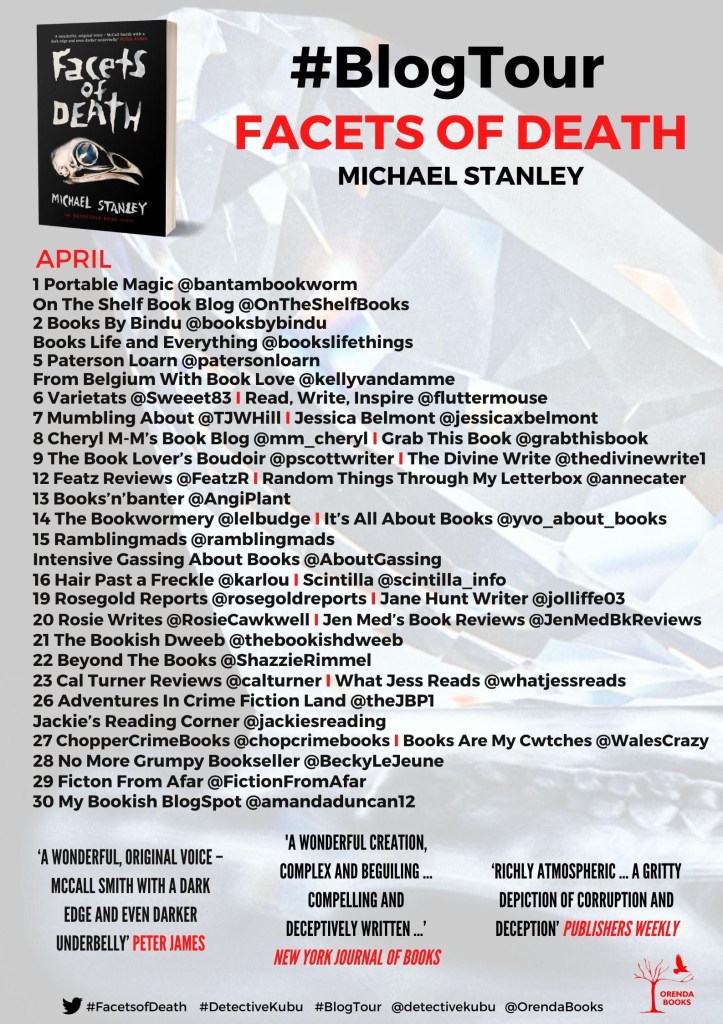
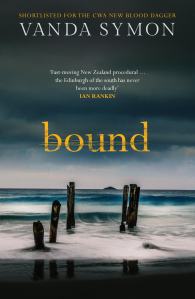
Hotel Cartagena by Simone Bucholz

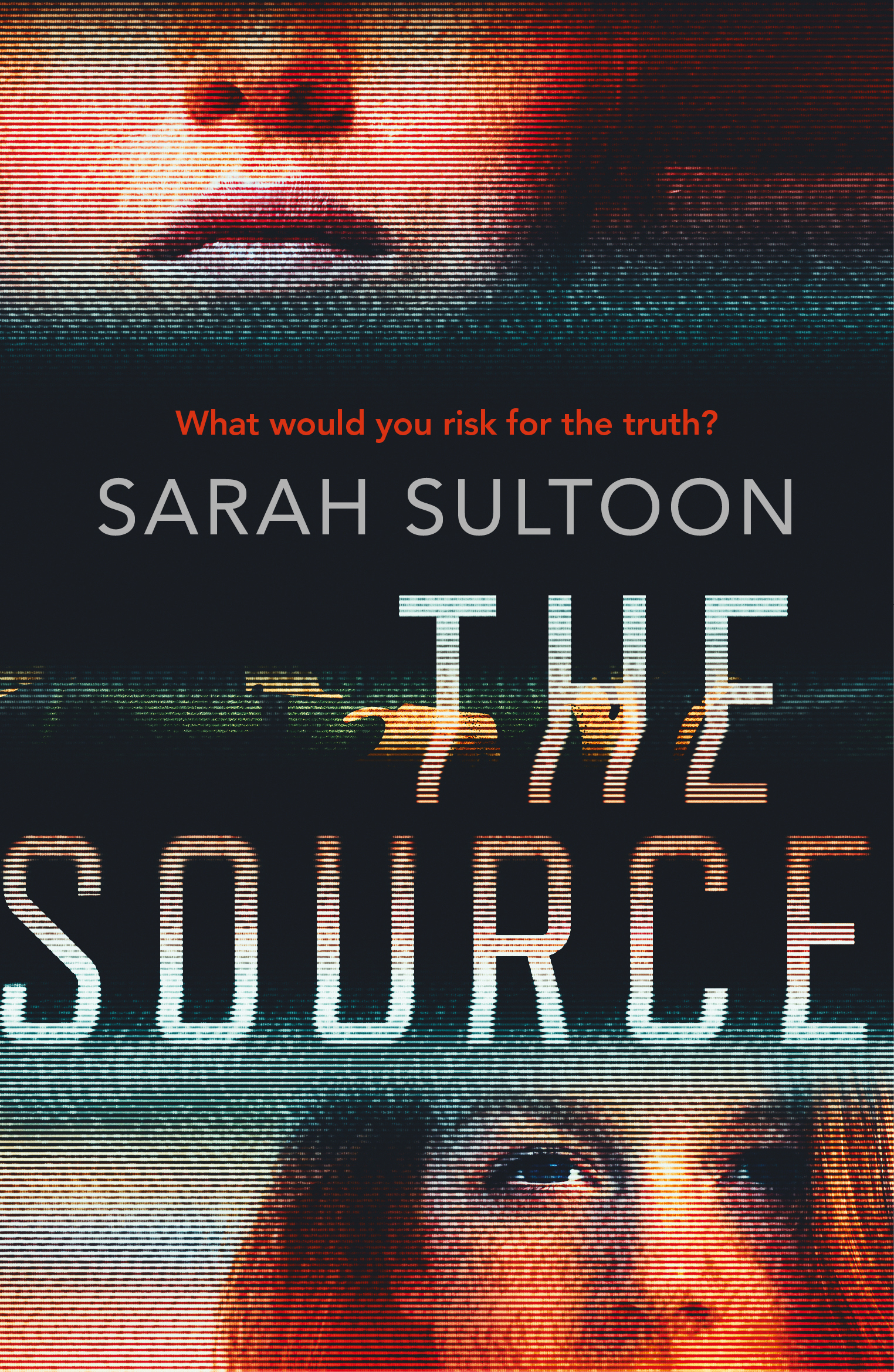
From the PR: “Twenty floors above the shimmering lights of the Hamburg docks, Public Prosecutor Chastity Riley is celebrating a birthday with friends in a hotel bar when twelve heavily armed men pull out guns, and take everyone hostage.

Among the hostages is Konrad Hoogsmart, the hotel owner, who is being targeted by a young man whose life – and family – have been destroyed by Hoogsmart’s actions.

With the police looking on from outside – their colleagues’ lives at stake – and Chastity on the inside, increasingly ill from an unexpected case of sepsis, the stage is set for a dramatic confrontation … and a devastating outcome for the team … all live streamed in a terrifying bid for revenge.

Crackling with energy and populated by a cast of unforgettable characters, Hotel Cartagena is a searing, stunning thriller that will leave you breathless.”

Here we are with Hotel Cartagena and while I’m only a few novels deep into Simone Buchholz’ Chastity Riley series by now I’m gonna kick this review off by saying this is the best one yet!

There’s nothing on my shelves that really compares – or competes – with Buchholz’ narrative prowess. It at once recalls Ellroy’s telegraph style and grit while bringing it up to date with a proverbial kick up the arse in terms of sentiment and pace. Buchholz has a fantastic ability to convey a massive swathe of emotion and personality with the minimum of keyboard strokes and reading her work is always an absolute blast of joy – it’s one of those novels where you’re marvelling at both technique and plot and relishing every second.

Oh yeah, plot: this one’s an absolute belter. I won’t give too many details here so as not to spoil but as both the blurb and cover point out – the bar takeover and hostage situation is driven by a bid for revenge and the story leading up to it.. holy shit what a story! ‘Riveted’ isn’t the word, doesn’t do it justice – once that story line hooked me I couldn’t put it down.

There’s the joyously addictive, slow burning Henning story, the drama as the hostage situation and Chastity’s unravelling as her sepsis sneaks in, and then Ivo stuck outside the hotel and unravelling almost as fast… there’s a lot of great stuff to get your teeth into in this sharp and powerful thriller. Oh, and a climax that’ll leave your gob open.

Hotel Cartagena is another brilliantly written and plotted slab of the great stuff by Simone Buchholz and I heartily recommend getting stuck in at your soonest opportunity.

My thanks as always to Karen at Orenda Books for my copy (and consistently publishing such cracking work) and to Anne Cater for asking me to take part in this blog tour.

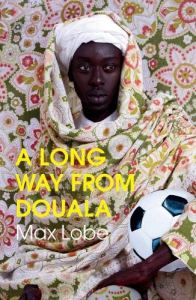
A Long Way from Douala by Max Lobe

From the PR: “On the trail of Roger, a brother who has gone north in search of football fame in Europe, Choupi, the narrator, takes with him the older Simon, a neighbourhood friend. The bus trip north nearly ends in disaster when, at a pit stop, Simon goes wandering in search of grilled caterpillars. At the police station in Yaoundé, the local cop tells them that a feckless ‘boza’ – a loser who wants to go to Europe is not worth police effort and their mother should go and pleasure the police chief if she wants help!

Through a series of joyful sparky vignettes, Cameroon life is revealed in all its ups and downs. Issues of life and death are raised but the tone remains light and edgy. Important issues of violence, terrorism, homosexuality and migration feature in A Long Way from Douala.”

I’m delighted to not only be taking part in the blog tour for A Long Way From Douala but to also be the first port of call. So let’s start off with a quick statement: this is a hell of a good book. In fact it’s bloody brilliant.

I went into A Long Way From Douala with no expectations and a whole lot of curiosity, never having read a novel by an author from or set in Cameroon. I was blown away by this deceptively slim book and loved every second of it.

Through a series of vignettes and flashbacks that are at times both brilliantly funny and immensely touching and evocative, A Long Way From Douala is a richly detailed story that delivers a real insight into life in Cameroon.

There are so many little details and moments in Choupi and Simon’s journey that left me agog that I know I’ll be going back to this one for another read. Whether it’s the dealings with local police, unexplained train stops punctuated by the sound of gunshots in the dark of night, or even the local ‘red light district’ there’s so many of these nuggets of Cameroonian life that it really immerses the reader in its world.

Max Lobe describes both the boys’ journey, his characters and their environs with a genuine warmth and lightness of tone that makes sure the narrative moves along at a brilliant pace that manages to bound along while never feeling rushed – even if the boys are trying to catch Roger.

Beyond the humour and warmth in the narrative though, A Long Way From Douala touches on many serious and issues that face Cameroonians on a daily basis from corruption and violence to the threat of increasing Boko Harum raids from across the border and, of course, the danger so many face in their pursuit of a better life by leaving Cameroon as they – like Roger – seek ‘Boza’; an expression used by central and West African migrants attempting to reach Europe when the cross the border. A genuinely eye-opening read.

This is a brilliant little novel full of life, humour and heart and, like all great small novels, I really wish there was more of it.

My thanks to Hope Road Publishing for my copy of A Long Way From Douala and to Anne Cater for inviting me to take part in this blog tour.

With all the clarity of dream – revisiting On Every Street

“Success I adore. It means I can buy 1959 Gibson Les Pauls and Triumph motorcycles. But I detest fame. It interferes with what you do and has no redeeming features at all.”

Background:

As has been pointed out many a time before and no doubt will be whenever they are written about or discussed, Dire Straits were a great band at the wrong time. A four-piece routed in the classic-rock style emerging from London’s pub-rock scene at a time when punk was holding sway here in the UK, epitomised by John Lydon’s ‘I Hate Pink Floyd’ t-shirt.

Yet one of the reasons Dire Straits are still written about and no doubt will be for some time to come was that they did find success thanks to Mark Knopfler’s fluid, finger-picking guitar style and ability to come up with something as catchy as ‘Sultans of Swing’ on their first outing. ‘Sultans of Swing’ managed to break the top ten on both sides of the Atlantic and their first album, Dire Straits – produced by Steve Winwood’s older brother Muff and released in 1978 – was a similar success.

Less than ten years later, in September 1988 with five albums behind them and after an 18-month tour of 247 sold-out stadium and arena shows, Knopfler – who had taken control of the band completely by the time of 1980’s Making Movies (a move helped along byJimmy Iovine taking him to watch a Springsteen session where everybody called Bruce ‘Boss’) in a move which had seen the departure of his brother David and original drummer Pick Withers – dissolved the band.

All the numbers and constant attention had lost meaning for the band, especially Knopfler who would tell Rolling Stone “”A lot of press reports were saying we were the biggest band in the world. There’s not an accent then on the music, there’s an accent on popularity. I needed a rest.”‘

It was, in hindsight, a pretty appropriate place to call it a day – having risen from an unlikely breakthrough to the millions of sales achieved by Brothers In Arms. Those first five albums are stuffed with great tunes and I’ll happily put any one of them at any time – especially Love Over Gold which is by far and away their finest work even if Brothers In Arms became the monster in terms of sales. And yet they had one more in them..

On Every Street

After Dire Straits we dissolved in ’88,  Mark Knopfler recorded a soundtrack for Last Exit To Brooklyn and formed The Notting Hillbillies, a country-leaning group who released Missing… Presumed Having a Good Time in 1990. It felt like, free of the expectation and incumbent attention given to anything Dire Straits, Knopfler was having, well a good time.

Then, in early 1991, the band – well, bass plater John Illsley, Knopfler and manager Ed Bicknell – met for lunch and decided to reconvene Dire Straits. Just like that, apparently. Personally, I can’t help but feel there was a little more to it than that because the resultant On Every Streets now – having spent more time of it late than I have for years after picking up a copy on cassette for a quid – feels like an album of two halves, a split-personality of an album that not only suffers from the CD bloat that was rife during that era (especially ironic given Brothers In Arms the first album to sell a million copies on that format was a much more concise effort) but also feels like it suffers from a lack of interest  from Knopfler himself across several tracks.

The time of release for On Every Street was as inauspicious as their debut only this time even the band members would admit that, following the album’s tour, “whatever the zeitgeist was that we had been part of, it had passed.” 1991 was also the year of ALT ROCK in deserved big letters – Nevermind, Ten, Badmotorfinger were breaking grunge out of Seattle and U2 had discovered irony and wrap around sunglasses in time for Achtung Baby! It didn’t feel like the time for a new Dire Straits record (any more than, really, 1994 would feel like time for a new Pink Floyd album) but, now, free of the judgement of the time, On Every Street has a lot of good stuff on it. It’s just that, sandwiched between are some real duff moments.

If you look at it almost as an ‘every-other-track’ album, On Every Street carries its weight. I’m starting to wonder if the conversation at that lunch in 1991 was more along of the lines of a record label pointing out that one more album was due and that if Knopfler wanted to keep major-label backing for his solo work, these new songs needed to go out under the Dire Straits name one last time. Or perhaps I’m being cynical – there’s no such statement or quote to attest to this but I can’t shake the feeling that those tracks which feel like Knopfler isn’t giving it his most on are the most ‘Twisting By The Pool’ / ‘Walk of Life’ style blatant attempts at appeasing the expectation of a ‘Dire Straits hit song’. The guiltiest? ‘Heavy Fuel’ and ‘My Parties’. I mean, take just those two off and you’re down to a stronger album already, right?

But, back to the every-other-track / cd bloat theory that’s hiding a stronger album theory.

‘Calling Elvis’ isn’t a bad song, it’s pretty good and Knopfler’s guitar work is understated but lets loose in a way that’s still delicious all these years later. The album’s title track follows and ‘On Every Street’ is a gorgeous tune – subject matter that calls back to ‘Private Investigations’ and a guitar solo that takes over three minutes in that I can listen to daily and still love.

Not only that but ‘Fade to Black’ has a lovely hushed, noir-like low-key vibe with Knoplfer dropping licks aplenty and an organ part that recalls Making Movies in a way. But to get to it you have to skip ‘When It Comes To You’ – a song that’s not the worst on the album but doesn’t really offer much and jars when listened to in flow. Skip over ‘The Bug’ (you only need to hear it once) and you’re back to the gold (as in Love Over) territory again with another stately, brooding and gorgeously played ‘You and Your Friend’. To me it plays like a wonderful hybrid of ‘The Man’s Too Strong’ and ‘Brothers in Arms’ in style and it’s easily a highpoint:

Skip the next track – the easy, low-hanging fruit lyrics of ‘Heavy Fuel’ (“When my ugly big car won’t a-climb this hill, I’ll write a suicide note on a hundred dollar bill”), and move straight on to ‘Iron Hand’, easily one of Knopfler’s finest. From this point, save for ‘My Parties’ which feels like b-side ‘Badges, Posters, Stickers, T-Shirts’, the album remains pretty decent.

That’s the thing that links all the ‘meh’ tracks here whether it’s ‘The Bug’, ‘Heavy Fuel’ or ‘My Parties’ – they all feel like the actual b-sides that were released with the album’s singles. When they were recently made available on Spotify I  was keen to hear but then ‘Kingdom Come’ and ‘Millionaire Blues’ are actually pretty interchangeable with ‘The Bug’ and ‘Heavy Fuel’, even Knopfler’s vocals sound as uncommitted. Which makes me think not only are these tunes that MK could toss off in his sleep but that were it not for CD runtimes and presumed label pressure, they too would’ve been trimmed off.

Back to the good stuff – ‘Ticket To Heaven’ has a much lighter, folkier and almost Celtic touch with a few strings added on and Knopfler’s in great voice (it’s a good signpost for his solo work on The Ragpicker’s Dream). ‘Planet of New Orleans’ is back to the noir-vibe of ‘Fade To Black’ but with extra guitar atmosphere and sax while ‘How Long’ is as obvious a light-hearted and folk-leaning Mark Knopfler solo song as it’s possible to be and serves as a fitting sign-off on the last Dire Straits album while remaining optimistic and hinting at what was to come.

You see, that’s the thing – where it’s really good On Every Street works brilliantly. For a long time Dire Straits had ceased to be the ‘band’ it started out as and had become a vehicle for Knopfler’s song writing with John Illsley along to pluck the bass. At this point Knopfer was leaning to a much different style to that which had proven the biggest ‘hits’ for Dire Straits but there was – and still is – a huge amount of great tunes to be found. Who knows – had On Every Street been allowed to focus on that element, without the filler and the negative reviews it drew as a result, maybe he’d still be releasing albums under the band name rather than his own.

As it was, the album drew lukewarm reviews at best though through a heavy tour schedule (300 shows in two years which were documented on the patch OnThe Night live album) and promotion still shifted 10 million. Knopfler’s second marriage fell apart, the tour was stressful and overblown and reminded all of what caused the first end back in ’88. Thus it was that, in 1992, Knopfler said ‘goodnight’ to 40,000 people in Spain for the last time as Dire Strait’s frontman and stepped into a solo career that has been producing solid solo albums and soundtracks since  ’96. The band were inducted into the Rock and Roll Hall of Fame in 2018 – there was no reunion and Knopfler didn’t attend, with John Illsley stating “I’ll assure you it’s a personal thing. Let’s just leave it at that.”

Oh, here’s On Every Street, don’t forget to skip a few:


I been starin’, I been starin’ into space.. Five from Dinosaur Jr

Formed in Amherst, Massachusetts in 1984, Dinosaur Jr are one of my favourite bands. Originally setting out to create ‘ear-bleeding country’ music, the band, propelled by J Mascis’ guitar playing, went from being one early proponents of fuzz-laden noise rock to being a massive influence on alt. rock, grunge and countless other players and bands going from indie labels to major and back again via line-up changes and reunions.

It’d be an unenviable task to try and pin point their sound – they’ve shifted quite far from their raucous debut Dinousaur (the band would add the ‘Jr’ shortly after to avoid litigation from) especially as bass player Lou Barlow initially handled most of the vocals – but one thing that’s been consistent across their work is the guitar playing of J Mascis who’s up there in my list of top ten guitar players.

With that in mind, here are five great Dinosaur Jr songs – not ‘the best of’ or even ‘essential’, just five cracking Dinosaur Jr tunes to get your teeth into on a Sunday evening.

Freak Scene

Their first ‘hit’ in the UK when released on Blast First in ’88 and a great example of the early sound of the original trio of Mascis, Barlow and drummer Murph.

Out There

Mascis signed to Sire records in 1989 but Barlow was out of the band by the time of their major label debut Green Mind. ‘Out There’ comes from Where You Been and was a pretty good hit (by Dino standards).

Nothin’s Goin On

Come Hand It Over, Dinosaur Jr’s final of four major-label albums, J Mascis was the only ‘original’ member left. The label, realising by now the band was never going to be another Nirvana, barely even promoted or distributed the album which is a shame because of the band’s ’90’s majors era’ Hand It Over is my favourite.  After the album’s release and tour, Mascis would retire the band’s name and release a couple of solo albums under the J Mascis & The Fog moniker.

All I Came To Do

In 2005 the original lineup of Dinosaur Jr reformed for a series of live shows and, in 2007, a new album Beyond appeared. A powerful album filled to the brim of great tunes and Mascis’ dazzling guitar work.

Said The People

Oddly, the reunion has held. The lineup has now produced more albums than during their first tenure with another expected this year. Their second back-together album Farm was even stronger and highlighted J’s slower-burners more prominently, ‘Said The People’ is a real favourite of mine.

Red Corona by Tim Glister

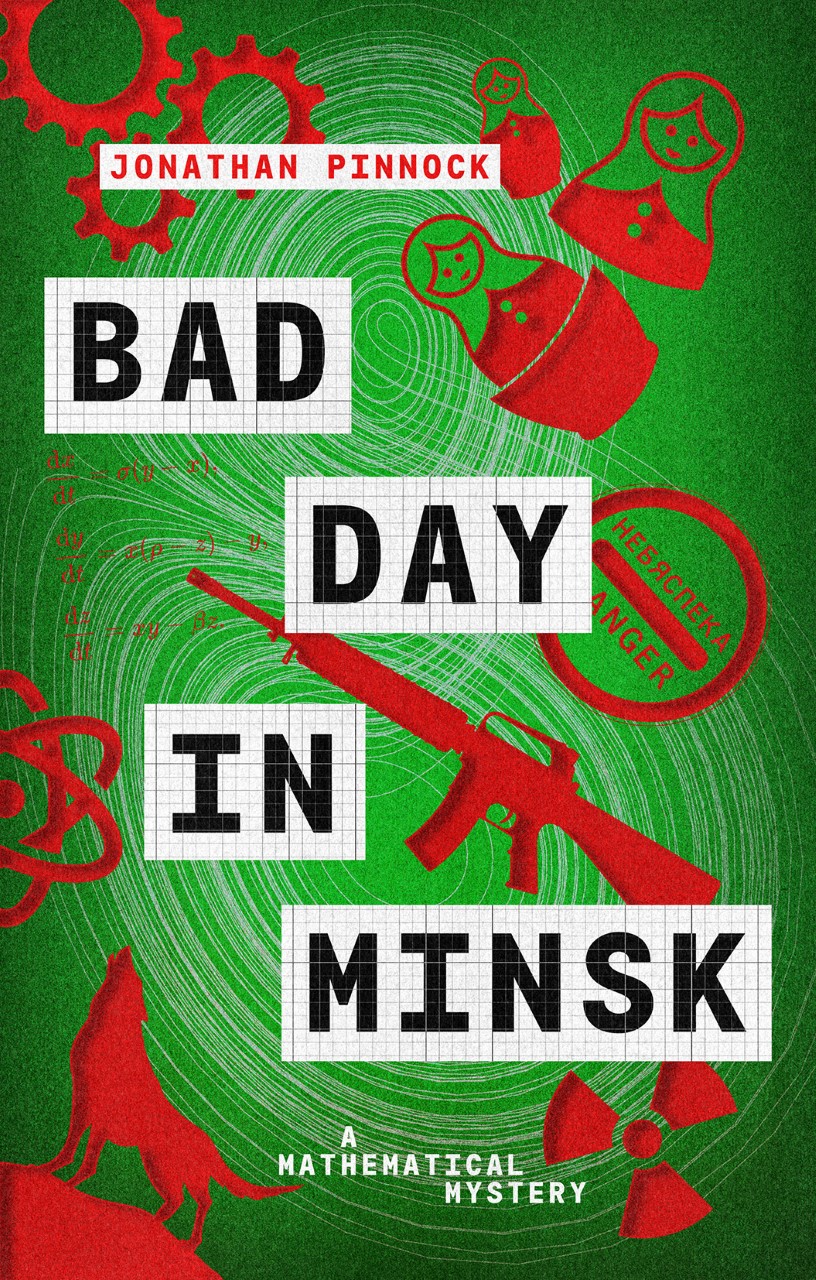
From the PR: “British secret agent Richard Knox has been hung out to dry by someone in MI5, and while his former boss lies in a coma, he needs to find the traitor in their midst.

In Russia, top scientist Irina Valera discovers the secret to sending messages through space, a technology that could change the world. But a terrible accident forces her to flee.

Desperate for a way back into MI5, Knox makes an unlikely ally in Abey Bennett, one of the CIA’s only female recruits, realising that Valera’s technology in the hands of the KGB could be catastrophic for the West.

As the age of global surveillance dawns, all three have something to prove.

Set against a backdrop of true events during the Cold War, RED CORONA is a smart, fast-paced spy thriller from a talented new crime writer.”

Sometimes a title is accidentally relevant. In this instance there’s no virus – the corona in question is the satellite reconnaissance programme the US ran from 1959 and into the early 70s – using satellites to produce aerial photographs of the USSR (and China). That’s right; we’re in glorious Cold War spy thriller territory here, a genre I’ve been immersing myself ever deeper in over the last few years so this one is right up my alley.

We’ve got disgraced agents, double agents, explosions – planned and accidental, chases and kidnappings, twists, turns, double crosses, executions and a great reveal. Oh, and the space race. All the elements are brilliantly set in place in amongst an intriguing and well realised plot that’s all the more noteworthy considering this is Tim Glister’s first novel.

Red Corona is a well-researched and vividly described novel with a pretty technical subject matter at its centre but Glister has clearly done his homework on it and possess the skill to convey the complexity and mechanics of it in a manner that’s both thorough and retains the pacing of the novel, vital in this genre and seamless here. Glister paints a detailed and lifelike picture of both 60’s London and the USSR and populates his novel with a great set of characters.

The three main narrative threads – those of Knox, Irina Valera and Abey Bennet – are all compelling and watching as they overlap and come together, revealing different facets of the story makes for a gripping read. Of the bunch I found Irina Valera’s exceptionally captivating, not only because Glister is tapping into an area for which I have a real interest but because it’s also very convincing in its detail and carries a real emotional wallop that you wouldn’t necessarily expect in a spy thriller. Very much well worth a read.

My thanks to Point Blank / One World and  Anne Cater for my copy of Red Corona and asking me to join the Blog Tour.

Albums of my years – 2020

First off – yes, I’m jumping ahead by a fair leap from the last of this series. Why? Well, the original premise was to go through each of those years leading up to my 40th. Problem is I didn’t account for my own lapse in prompt posting, the restraints such an ambitious series has on getting out other posts (I’ve still a couple more Bruce posts in the tank and countless others that were in the works) and that target drifted past last October. 2020 was a bloody weird one for me, for all of us I’m sure, and while I had more time on my hands as a result of spending the majority of it on furlough (and a small part job hunting) and coming to terms with release from a toxic work environment for some years and its impact, I simply wasn’t in the mental state needed to keep a schedule and get that target home. Plus – given that it’s now still just about January – it feels more fitting now to blast out a 2020 wrap up and fill in the gaps on an ad-hoc basis.

2020 was, understandably, a real weird one in music from February onwards. Most music news focused on the cancellation of tours, delays in releases and – most sadly – those who had died after contracting Covid-19. As we got used to the new state of things artists both decided to release albums anyway or, often, had so much time off-cycle that they were able to turn around entire albums in the lockdowns that most of the world were under (and still are, here, as I type). Music news and the presentation of new music shifted into a different phase as ‘guest spots’ on TV shows came via webcams and concerts were streamed from artists’ homes and rehearsal spaces right into those of the audience. While this served a welcome relief and distraction for music lovers including myself, I cannot overstate how damaging an impact this pandemic has had and is having on the events industry.

With the news cycle this year being one of the strangest, it’s easy to forget some of the events that took place in 2020. Hell, March 2020 seems like a decade ago so the fact that, say, Pearl Jam released their first album in seven years is almost forgotten. That they too had the anticipated rollout and tour cancelled no doubt threw a spanner in the works. While we’re still on the subject of the news cycle I think we can, all of us around the right-thinking world that is, agree that the best news to come out of 2020 was the defeat of that contemptible sack of shit and a potential end to the plain insanity and ‘alternative-fact’ delirium. Well done America and thanks.

The start of the year saw reunions and reunion tours announced for bands like Genesis and Rage Against the Machine only for them to be promptly postponed, leaving them in the odd position of being together again but not really. It would be hard for a band to be together long enough to decide to break up in 2020 – a few did but nobody that you’d call any great shakes with the exception, for me, of Milk Teeth – but we lost a lot of great musicians in 2020. Thanks to Coronavirus we said goodbye to John Prine and Fountains of Wayne’s Adam Schlesinger. Country singer and fried chicken connoisseur Kenny Rogers died at age 81 as did Bill Withers and Spencer Davis. Neil Peart, long held in high regard as one of the greatest drummers to sit on the stool, died in January, Little Richard passed away in May. We also said farewell to Peter Green, blues guitarist of choice and founder of Fleetwood Mac, Justin Townes Earle and Ennio Morricone – one of the most emotive film composers to score a film – left us in July at the ripe old age of 91. And perhaps most surprisingly, after increasing rumours of ill health, Eddie Van Halen lost his battle with cancer in October. A guitar player like no other, he was a real ‘light the fuse and watch the fireworks’ player who seemed unable to pick up an instrument without riffs and melodies falling out of him.

So what albums made it through? It was a great year for post-rock releases. Caspian’s In Circles, Toundra’s Das Cabinet des Dr. Caligari (a re-imagined soundtrack for a silent German horror film), Audiolepsia’s Waves & Particles and I Hear Sirens’ Stella Mori all got a lot of ear time in 2020.

Stone Temple Pilots released their second album with singer Jeff Gutt (I always have to double check that’s actually his name) – Perdida is ‘ok’ but it’s a long way from Core. Nada Surf’s Never Not Together is pleasant enough but nothing to really stick in the mind like Lucky and Bob Dylan emerged from years of cover albums to release his first album of original songs in eight years: Rough and Rowdy Ways. If not being able to tour is affecting anyone it’s gotta be bothering Bob – not that he’s likely to be at a loss having sold the rights to his entire back catalogue to Universal for a rumoured $350 million. I don’t think I’ve listened to the album more than once though. One I have listened to a lot and took almost as long to release is My Morning Jacket’s The Waterfall II. Back in 2015 when The Waterfall was let loose on us, the band said they’d recorded two album’s worth of material and the second would soon follow…. since then nothing. Until Jim James took a walk during lockdown with his iPod and heard the songs again, prompting its release shortly after. It was worth the wait but I’m itching for some ‘new’ MMJ…

I started getting into Courtney Marie Matthews in 2019 and was pretty chuffed when she released Old Flowers in 2020 – a gorgeous album with lots of brooding and burning guitar leads buried in a lush atmosphere supporting her great vocals. ‘If I Told’, in particular received many a repeated listen:

In a ‘back from the past’ file you’ll find Bush – known for finding more success in the States on the back of the post-Grunge boom than in the UK – but they’ve been back together for a while and putting out music that’s pretty bloody strong considering, their 2020 album The Kingdom got a good few streams my end as did Alanis Morissette’s Such Pretty Forks which is a surprisingly strong and consistently good album given I’d almost completely tuned out of new music from Alanis for over a decade. Somewhere in there I also discovered the music of Rose City Band in 2020 – via a real vibe of an album Summerlong that you could just put on loop and drift away to somewhere else in your mind.

Milk Teeth released their second album, following a series of EPs,  a self-titled effort brimming with their mix of 90’s inspired punk and rock before calling it a day. Down In the Weeds, Where the World Once Was found Bright Eyes returning nine years after their last effort with a much strong effort that I was expecting though I’ve yet to part with coin for it. One I happily did part with coin for was Thurston Moore’s By The Fire – a great album that’s probably the strongest of his post-Sonic Youth and, with Steve Shelley handling a lot of the drum duty, is as close to that band’s sound as you’re gonna find on a new release. Big Thief were a big discovery for me in 2019, in the space of a year I went from not having heard of them to grabbing each of their four albums (two of which were released in 2019 alone) and getting very quickly addicted. For some reason I was a little late, then, in listening to Adrianne Lenker’s 2020 release Songs and Instrumentals but I’m glad I did – it’s my favourite of her solo work to date and very much worth a listen.

Billy Corgan decided to stop being a moaning dickhead long enough to make another Smashing Pumpkins album – Cyr is a double album in which I doubt there’s even a single good album. Someone really, really needs to tell him ‘nah’ more often.

For all that, when it comes to new music (as opposed to the discovery of new-to-me bands and older music that seemed to dominate 2020 for me listening wise), there were two albums that got the most ear time with me and it’s unlikely to be any surprise which. Both had been the subject of rumours swirling ahead of their actual drop and both proved a very welcome relief in terms of both quality and distraction from the world’s troubles.

So let’s do this:

Bruce Springsteen’s 2019 album Western Stars, his first since his residency on Braodway, was a a real outlier in his catalogue. A ‘solo’ album in the sense that it wasn’t an E Street Band affair but nonetheless bathed in sound. There was to be no tour. A ‘live’ film and soundtrack quickly followed and then the rumours started as Bruce mentioned he’d started writing for ‘the band’. And then, when we needed it most after half a year thwarted by lockdowns and pandemic, the announcement came: the new Bruce Springsteen album, backed by the E Street Band, Letter To You was coming. Not only that, but it was recorded in a matter of days, live in the studio, minimal overdubs! Could it be? Could the sound of the E Street Band in its prime – Bruce hadn’t recorded live with the band without at least demoing the material since the early 80s – without the interference of extra layers and gimmicks that had afflicted his last three albums (even Western Stars couldn’t escape it) all produced by Ron Aniello? The answer was very much ‘yes, yes and YES!’

Letter To You is Springsteen’s finest album since Magic and the sound of the E Street Band (with the Charles Giordano and Jake Clemons filling in for the faithful departed) at its glorious best in a way it hasn’t been captured on ‘tape’ in a long-ass time. The album moves with a confidence and power that I honestly didn’t expect was there anymore. There’s something both comforting and exciting about hearing that sound on new songs that just makes you want to head straight back to the start after finishing the album.

It’s a joy to hear those older (‘Janey Needs a Shooter’, ‘If I Was The Priest’ and ‘Song for Orphans’ date back to ’72) songs songs dusted off and, at last, given life. The newer songs – which all came quickly to Bruce once he started playing a guitar given to him by a fan – sit amongst his best. There’s at once a sense of ‘this is who were then and this is who we are now’ as there’s no getting around the fact that time marches on (hell, it’s there in his voice) while at the same time letting you know that there’s still gas in the tank to go.

While Western Stars was an album that wouldn’t really transfer to the world’s stadiums and arenas, Letter To You brims with songs that need to be heard live – let’s hope that tour can happen soon.

And that just leaves…

Pearl Jam – Gigaton

Once upon a time you could set your clock by Pearl Jam releases. Every 18 months or so you’d get another slab of the great stuff. But that schedule, sadly, is close to 20 years ago… gaps between albums started to get longer: nearly four years separated Riot Act and Pearl Jam, another three until Backspacer, then four again before we got Lightning Bolt and then…. the longest wait to date came to end this year with Gigaton, their first album in seven long years and their first since 2006 with a new producer; sessions and work with Brendan O’Brien not hitting the mark for the band (or fans, see ‘Can’t Deny Me’).

As a long time fan, I was growing tired of the rumours – the fake supposed track lists and titles (some better than others, most featuring ‘Of The Earth’ and ‘Can’t Deny Me’ as attempts at validity), the ‘massive tour featuring both small venues and stadiums in each city’ and claims of ‘two new albums and an Ed solo’. It would come when it would come. And then, early in 2020, there were some very real hints, snippets of a strange new sound doing the rounds, an app and map to hunt down images around the world, an album cover and, finally, the email from Ten Club arrived ‘Dance of the Clairvoyants’ – it was time!

Now, I’ll be honest, at first I was a little ‘do what?’ But by the end I was hooked and going back for another spin – a lot more than can be said for ‘Can’t Deny Me’. It’s definitely Pearl Jam but it’s Pearl Jam sounding more focused and engaged than they have on record for a while, working with Josh Evans had clearly allowed them to take a freer approach to their experimental side in the same way as working with Tchad Blake and Adam Kasper had. If this was a sign of what was to come on Gigaton a) sign me up and b) what’s next? Well, ‘Superblood Wolfmoon’ showed that ‘DOTC’ was a deliberate left-field choice, it was a more straight-ahead song but, again, the band sounding tighter and more ‘on’. From the conversations online I saw, it did the job of shutting up those bemoaning DOTC’s ‘weird’ sound. And then came ‘Quick Escape’ and I new that Gigaton was going to be great:

It’s a belter of a song, guitars to the forefront and a scathing lyric  – “crossed the border to Morocco, Kashmir to Marrakesh, the lengths we had to go to then to find a place Trump hadn’t fucked up yet”. What was I expecting – an album with the experimental textures of Riot Act with the power and engaged lyrics of Pearl Jam. What I got was exactly that and it’s fucking great – even though ‘Buckle Up’ took a lot of listens to not skip.

Since Binaural I’d started to consider Pearl Jam a band of second halves on their albums – from the mid point on things got tastier. ‘Light Years’ through to ‘Parting Ways’, ‘Nothing As It Seems’ through ‘All Or None’, ‘Just Breath’ onwards etc is where you found the juicier cuts of meat. But Gigaton is not only front-loaded, the mid section is dazzling – ‘Seven O’Clock’ is easily Vedder’s wordiest lyric and is powered along by a melody that has the rare distinction of being a ‘Ament, Gossard, McCready, Vedder’ composition, and ‘Take The Long Way’ is one of those great Matt Cameron composition – and closes strong with ‘Comes Then Goes’, ‘Retrograde’ and ‘River Cross’, Vedder’s touching lament on fear and the nature of doubt in life underscored by an antique pump organ (the take used retained from a 2015 demo for the song).

I’ve played this album through so many times this year I’ve lost count – I even picked up the CD too (as Pearl Jam don’t seem to grasp download codes with their vinyl) so I could spin it in the car on my new commute – and am still not tired of it. Pearl Jam haven’t sounded so consistently engaged and willing to ‘go for it’ in pushing their sound for years and it’s a joyous listen that, in a year of turmoil, managed to provide an uplifting soundtrack. It’s an easy choice for me to highlight this as my album of 2020 on so many personal levels.

There’s Only One Danny Garvey – by David F Ross

From the PR: “Danny Garvey was a sixteen-year old footballing prodigy. Professional clubs clamoured to sign him, and a glittering future beckoned.

And yet, his early promise remained unfulfilled, and Danny is back home in the tiny village of Barshaw to manage the struggling junior team he once played for. What’s more, he’s hiding a secret about a tragic night, thirteen years earlier, that changed the course of several lives.

There’s only one Danny Garvey, they once chanted … and that’s the problem. A story of irrational hopes and fevered dreams – of unstoppable passion and unflinching commitment in the face of defeat – There’s Only One Danny Garvey is, above all, an unforgettable tale about finding hope and redemption in the most unexpected of places.”

So, let’s get down to it: There’s Only One Danny Garvey is the fifth novel from David F Ross and if you haven’t read any of his books by now I’ve gotta ask; what’s been keeping you, ya bawbag?! David F Ross is one of the sharpest and funniest writers currently putting ink to page and There’s Only Danny Garvey may just be his best yet.

It’s exceedingly hard to combine an engrossing and well crafted story with genuine laugh-your-arse-off humour and still manage to pack an emotional punch – yet David F Ross seems to have found some secret recipe somewhere and pulls it off superbly in There’s Only One Danny Garvey. That he throws plenty of music and pop culture touch stones in – as per each of his novels to date – only makes it all the more enjoyable for me.

There’s so much to shout about in this one it’s hard to know where to start. This is an unreliable narrator like no other. It’s both razor sharp in its delivery and plot and warm and poignant in the details of the characters and community. It’s at once a poignant and evocative time machine back to a mid-nineties working-class community and a gripping slab of literary fiction. Oh, and it’s really, really fucking good.

While the sport – and the role it plays in the community – is at the heart of the novel, There’s Only One Danny Garvey is about lots more than just ‘the fitba’ and, even then, we’re a long way from the Scottish Premiership here. This is a novel of heart, of troubled pasts and dark secrets. A novel of families strained, tortured souls, loss and attempts at redemption. A novel of broken dreams and broken people, a novel with characters that’ll stay with you long after the final whistle has blown. It’s a touching and engrossing novel with one genuine “holy shit” moment after another when it clicks what’s actually happening and – when it turns that corner – really ups the ante. It’s a novel that’s brilliantly written, paced and bought to life; a game transformed by dazzling footwork, a beautiful pass and a precision shot on target into the back of the net. It’s a novel that really must be read.

My thanks to Karen at Orenda for my copy of There’s Only One Danny Garvey and to Anne Cater for asking me to take part in the blog tour.

Messages keeps gettin’ clearer, radio’s on and I’m movin’ ’round my place: the ‘other’ Born In The USAs – Part 3

“Much of Born In The USA was recorded live with the full band in three weeks. Then I took a break, recorded Nebraska and didn’t return to my rock album ’til later… Then brain freeze settled in.”

To read Springsteen’s biography Born To Run you’d almost believe that the writing and recording of the songs that made up Born In The USA was a relatively succinct period divided up into a couple of sessions and that the only songs that exist from the time graced the two albums it bore: Nebraska and Born In The USA.

Both Tracks, studio logs and his own Songs book tell a different story though. Between Bruce’s sitting down with “some books, a few scattered guitar picks, and a harmonica rack jostled with the crumbs of the afternoon’s lunch” and, importantly, a Paul Schrader script for a film called ‘Born In The USA’ and penning a song that he initially title ‘Vietman’ and the song hitting the airwaves were several years and a LOT of songs.

Following the decision not to release ‘Murder Incorporated’, and despite the idea of keeping studio costs down, Bruce headed back to New York’s The Hit Factory with The E Street Band from May – June of 1983, though without Van Zandt for the most part.

These final sessions were the end of an era, not realised let alone acknowledged at the time. Aside from the missing Van Zandt’s input, the last sessions for Born In The USA would be the last time Springsteen entered the studio with the full band for a long time to come and would be the last time in which songs would be written and then worked up and arranged with the band until 2020’s Letter To You. It’s also the point at which Springsteen’s prolific period of song writing began to slow and the security around the vault would tighten.

From May through June of ’83, though, Bruce and the band worked on more songs to add to the pile as Springsteen searched for the right sound and feel to make it an album. In fact, it looked like this was it and recording went straight into mixing in July and a possible track listing was born:

Side One:

Born In The USA

Cynthia

None But The Brave

Drop On Down And Cover Me

Shut Out The Light

Johnny Bye Bye

Side Two:

Sugarland

My Love Will Not Let You Down

Follow That Dream

My Hometown

Glory Days

Janey, Don’t You Lose Heart

This album doesn’t ring as cohesive as ‘Murder Incorporated’ ever did. Some of the songs come from the earliest sessions, some from Springsteen’s LA recordings and FIVE new songs from the May-June sessions all of which, as they were mastered, would either go on to serve as b-sides or  appear on Tracks. However, songs like ‘Cynthia’ and ‘Janey, Don’t You Lose Heart’ (she still needed a shooter) aren’t his strongest from this period – Janey the better of the two – and their inclusion here, to me, is indicative that he was doubting the more direct, ‘pop’ leaning of the other material as they harken back more to his work of the previous decade than anything else from this period.\

The lack of cohesion was apparent to all and this version of the album was shelved. The mix and feel of Springsteen’s LA cuts jarring too much with the rest of the cuts. It was back to the studio, again, for another period of writing and recording from the end of ’83 into early ’84. However, it was at this point that ‘brain freeze’ kicked in and work ground to a halt.

Thanks to the increasing security on sessions and the vault the fruit of these last periods of writing and recording are harder to identify. But Springsteen suggests, in ‘Born To Run’ again, that these would have included ‘Bobby Jean’ and ‘No Surrender’ and, er, ‘Refrigerator Blues’, ‘Swoop Man’ and ‘Ida Rose (No One Knows) were also written write before then end of the album’s writing and recording period.

Recognising that Springsteen was at an impasse with his album – and, presumably, with the record label chomping away at his ear – Jon Landau stepped in. He did two things. First, he compiled what he thought were the best of the songs recorded into an eleven-song track list:

Side One:

Born In The USA

I’m Goin’ Down

Cover Me

My Hometown

Bobby Jean

Side Two

My Love Will Not Let You Down

Follow That Dream

Glory Days

Protection

Janey, Don’t You Lose Heart

I’m On Fire

I don’t dig this track list anymore than that created in July of ’83. The songs here are still missing something but it seemed to do the job of giving his charge a charge, if you will. For Springsteen, armed with his newly- recorded songs, then “circled back to my original group of songs. There I found a naturalism and aliveness that couldn’t be argued with. They weren’t exactly what I’d been looking for, but they were what I had.”

They weren’t exactly what I was looking for…. but they were what he had. To me, this suggests a sense of weariness perhaps. Realisation, maybe, that whatever it was he was looking for wasn’t going to be found and he needed to get something, anything, out? Even if it meant it wasn’t as realised to him as, say, Darkness On The Edge of Town was? It’s a sensation that’s gotten across in the album’s first single:

‘Dancing in the Dark’ came from a now-famous moment when Springsteen was told the album needed a ‘hit’ single to get it on fire on the radio. Tired and weary after what was three years plus of writing and recording for the album and having already stockpiled more songs for Disc Three of Tracks to be one of the strongest, Bruce told Landau that if he wanted it so much, he should it himself.  Springsteen refers to the song as being “about my own alienation, fatigue and desire to get from inside the studio, my room, my record, my head…” It was the last song recorded for the album in February 1984.

Born In The USA changed Springsteen’s career. It pushed him from arenas to stadiums, muscle-bound and posing for the big screen projections to the cheap seats with hit after hit released from it. I’ve covered the album itself in more detail as part of my ‘Least To Most’ Springsteen series so won’t reiterate that which I’ve already covered. It may well have been his biggest but it’s far from my favourite and, with hindsight, Springsteen himself has certainly cooled toward it – it’s grab bag feel still apparent. But it did the job.

Following it would never be easy especially when you take into account the album’s arduous gestation period. Tunnel of Love, a far superior album, was a much more subdued affair and it would be another decade or two before Springsteen was comfortable finding his ‘rock’ voice again. The hesitancy and labouring over songs would also be borne out on the much-maligned Human Touch and his second-guessing over releasing albums would permeate through the next decade as there’s another rumoured album that sits abandoned in his vaults.

Perhaps it, like the wealth of songs recorded during Born In The USA‘s sessions, will see light on the in-the-works Tracks 2 project. Of those songs recorded and cut from the album we know of ‘Murder Incorporated’, ‘Pink Cadillac’, ‘Shut Out The Light’, ‘Johnny Bye-Bye’, ‘Stand On It’, ‘Janey, Don’t You Lose Heart’, ‘A Good Man Is Hard to Find (Pittsburgh)’, My Love Will Not Let You Down’, the brilliant ‘Wages of Sin’, ‘This Hard Land’, ‘Frankie’, ‘Cynthia’, ‘Lion’s Den’, ‘Car Wash’, ‘TV Movie’, ‘Brothers Under The Bridges (’83)’, Man At The Top’, Rockaway the Days’, ‘County Fair’ and ‘None But The Brave’. That’s 20 songs, for those who are counting.

But… those that haven’t been officially released?

Here’s the list, just as indication that there’s a HUGE amount still in the vault. Each of these, in some way, went into the making of the final album and it shows just how much Springsteen put into the sessions even if he never found what he was looking for:

PROTECTION

THE KLANSMAN

SEVEN TEARS

FUGITIVE’S DREAM

ONE LOVE

BETTY JEAN

UNSATISFIED HEART

LITTLE GIRL (LIKE YOU)

DELIVERY MAN

FOLLOW THAT DREAM

SUGARLAND

DON’T BACK DOWN

JAMES LINCOLN DEAR

RICHFIELD WHISTLE

YOUR LOVE IS ALL AROUND ME

STOP THE WAR

BABY I’M SO COLD

BELLS OF SAN SALVADOR

ON THE PROWL

NEBRASKA – E STREET BAND VERSION

ATLANTIC CITY – E STREET BAND VERSION

MANSION ON THE HILL – E STREET BAND VERSION

JOHNNY 99 – E STREET BAND VERSION

HIGHWAY PATROLMAN – E STREET BAND VERSION

USED CARS – E STREET BAND VERSION

OPEN ALL NIGHT – E STREET BAND VERSION

REASON TO BELIEVE – E STREET BAND VERSION

LOSIN’ KIND

FADE TO BLACK

ROBERT FORD

WILLIAM DAVIS

GUN IN EVERY HOME

COMMON GROUND (STAY HUNGRY)

TRUE LOVE IS HARD TO COME BY

I DON’T CARE

THE MONEY WE DIDN’T MAKE

JOHNNY GO DOWN

BODY AND SOUL

SAVIN’ UP

OUT OF WORK

LOVE’S ON THE LINE

CLUB SOUL CITY

HOLD ON (TO WHAT YOU GOT)

WORKIN’ ON IT

GONE, GONE, GONE / SEEDS

KING’S HIGHWAY

JUST AROUND THE CORNER TO THE LIGHT OF DAY

INVITATION TO YOUR PARTY

BAD BOY

GLORY OF LOVE

SHUT DOWN

100 MILES FROM JACKSON

ROLL AWAY THE STONE

SWOOP MAN

UNDER THE BIG SKY

REFRIGERATOR BLUES

IDA ROSE (NO ONE KNOWS)

NOW AND FOREVER / SUMMER ON SIGNAL HILL

That’s an additional 58 songs in varying forms of completion, mastering and circulation. With those already released and the 12 that made up Born In The USA‘s final track list and that gives us…. 90 songs.  With the suggestion – that kicked off this series – from Max Weinberg that nearly 80 were recorded with the band… it’s likely that a few of these were either not recorded or never went beyond Bruce, a guitar and a basic recording.

With less songs written for Tunnel of Love – only an additional eleven on top of the album – and subsequent albums, Born In The USA was the end of Springsteen’s most prolific period of song writing, it even looks to have knackered him out for writing for some time to come. It – along with the missing album from the 90’s – represents one of the few remaining rich seams of  work that have yet to tapped. Those efforts that didn’t make his later-career albums were cherry-picked for the hotchpotch High Hopes and they weren’t anything like as strong as those that made up The Promise or The Ties That Bind collections. So, here’s hoping we get to hear from both these periods soon because there are some fucking BELTERS awaiting mastering and release in this treasure trove:


Winterkill by Ragnar Jónasson

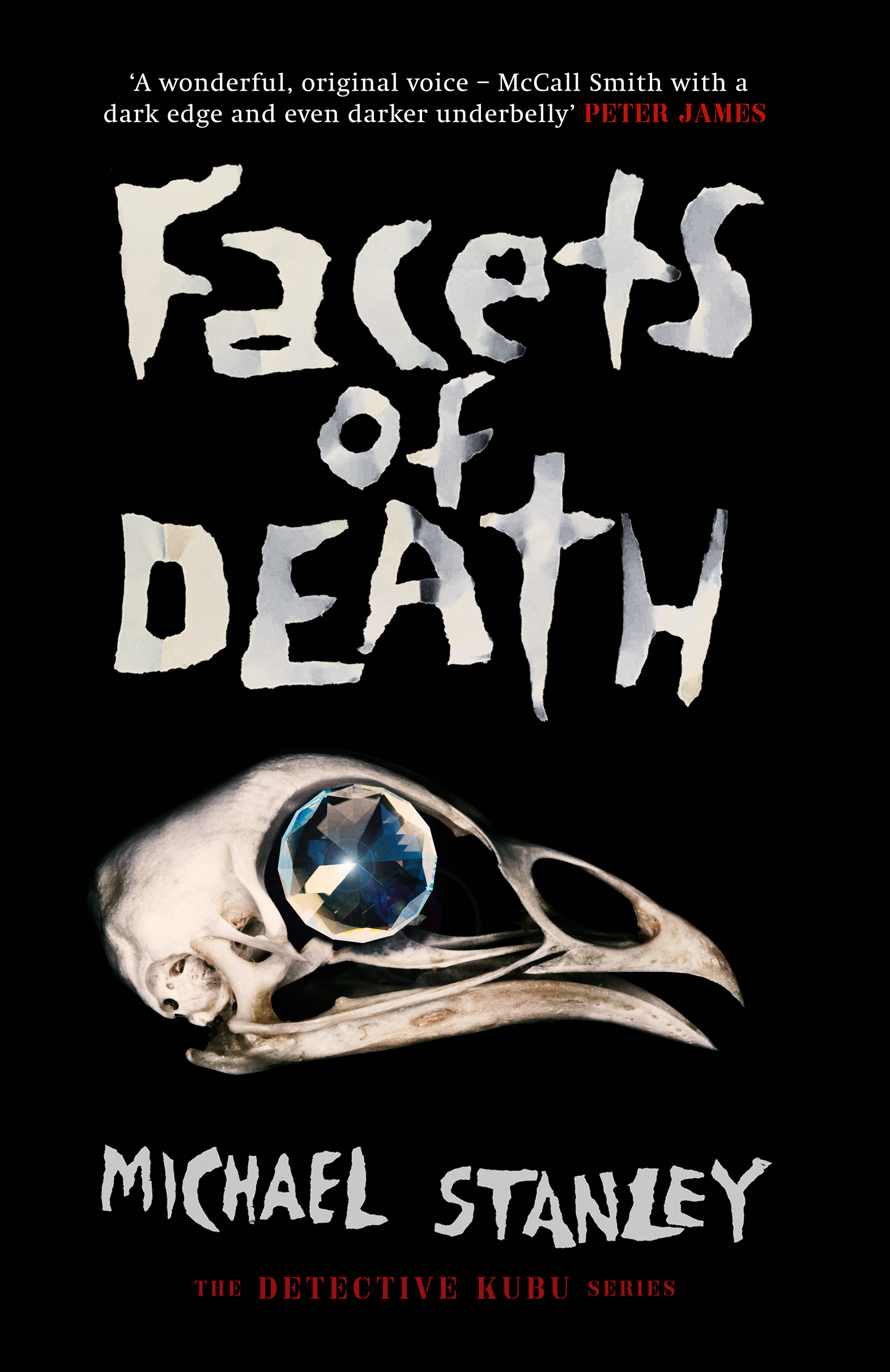
From the PR:“Easter weekend is approaching, and snow is gently falling in Siglufjörður, the northernmost town in Iceland, as crowds of tourists arrive to visit the majestic ski slopes.

Ari Thór Arason is now a police inspector, but he’s separated from his girlfriend, who lives in Sweden with their three-year-old son. A family reunion is planned for the holiday, but a violent blizzard is threatening and there is an unsettling chill in the air.

Three days before Easter, a nineteen-year-old local girl falls to her death from the balcony of a house on the main street. A perplexing entry in her diary suggests that this may not be an accident, and when an old man in a local nursing home writes ‘She was murdered’ again and again on the wall of his room, there is every suggestion that something more sinister lies at the heart of her death…

As the extreme weather closes in, cutting the power and access to Siglufjörður, Ari Thór must piece together the puzzle to reveal a horrible truth … one that will leave no one unscathed.

Chilling, claustrophobic and disturbing, Winterkill marks the startling conclusion to the million-copy bestselling Dark Iceland series and cements Ragnar Jónasson as one of the most exciting authors in crime fiction.”

I’m not happy to be writing this review, not happy at all. This cannot be the end of the Dark Iceland series, surely. The compelling journey of Ari Thór, steered by the massively talented hand of Ragnar Jónasson, from rookie newcomer to seasoned Siglufjörður resident and police inspector has been an absolute pleasure to read. This can’t be the end. And yet, here we are.

The plot itself… well, the case looks to be a non-starter at first. Yet as keen as Ari Thór is to park it and focus on spending time with his son and work out his relationship with Kristín (oh how I longed for that to end differently), too many little things begin to pop up and Ari Thór knows something isn’t right. There’s something lurking behind the apparent suicide that he needs to know and, in unravelling that thread he begins to reveal a lot more than expected all the while wrestling with his desire to not be so involved with the case and his intrinsic sense of humanity and drive to discover the truth. It makes for a brilliant read.

One of the key elements in making the Dark Iceland series so addictive is Jónasson’s skill as a writer. He’s brilliantly adept at weaving  a deep and intricately plotted  mystery while simultaneously keeping the reader engrossed in Ari Thór’s own personal pressures in a way that makes Winterkill a gripping book.

Siglufjörður makes for a superb setting for a mystery novel: it’s both chilling and remote and even if it’s no longer as cut-off from the rest of Iceland as it once was you get the feeling that despite an additional tunnel and the ease with which, say, Ari’s old boss Tómas can be reached on the phone, there’s still a sense of isolation in the town that really adds to novel’s atmosphere, especially when the snow storms kick in. As with previous novels in the series, Jónasson populates Winterkill with a brilliantly vivid cast of characters that, were I to find myself in Siglufjörður, I would honestly expect to meet in the street. His portrayal of the grief-stricken mother is really powerful and the degree to which I know it will stay with me for a while is a testament to Ragnar Jónasson’s skill. It’s just so very well written.

What’s made the Dark Iceland series, and Ragnar Jónasson’s writing, standout and prove so enjoyable to read is how subtly your attention can be hooked by little details and how many doors these open for further exploration. Winterkill is no exception – in its gentle pacing, the plot touches on so many intrigues and characters as it builds up a real momentum, Jónasson expertly leading us along until a real ‘what the fu..’ shocker comes barrelling in and, in Winterkill, it’s a real shocker that will stay with you.

So, is this the end of the story for Ari Thór? There’s a little note from the author at the start of Winterkill in which Ragnar Jónasson points out that the story is for those fans that kept asking for one more Ari Thór story. I can’t help but think there’s a lot more to be told about Siglufjörður’s police inspector, what was the secret of his parents hinted at in previous books, for example? What will the growing number of people coming into the town mean for crime in a place where seemingly nothing happens but so much is going on? Who knows, maybe if we ask Ragnar enough…..

My thanks, as always, to Karen  at Orenda Books (a continual source of high-quality fiction) for my copy of Winterkill and to Anne Cater for inviting me to take part in this blog tour.


Unsatisfied hearts and murder, incorporated: the ‘other’ Born In The USAs – Part 2

“Halfway though recording the biggest record of my life, Steve Van Zandt left the band. I’ve always felt a combination of personal frustration, internal politics and unhappiness with some of my decisions led to Steve’s departure…. the timing must’ve felt to him like now or never. Looking back today, I think Steve would agree it didn’t have to be that way. We could’ve done it all, but we weren’t the same people then that we are today.”

In the summer of 1982, following the decision to release Nebraska as it was, Steve Van Zandt had visited Bruce in a New York City hotel room to discuss his role their creative partnership. Bruce, though, didn’t feel they were in a “partnership” and steered his ship his way, it’s how it had to be to work the way it did. Van Zandt wanted a more collaborative deal and greater involvement. It couldn’t be. So he bid farewell to E Street. Though a formal announcement wouldn’t be made until May 1984 and he’d grace the linear notes of Born In The USA, Van Zandt’s input from this point forward would be minimal.

I think Springsteen is perhaps more sensitive to feedback than he’d let on. Look at the mixed response that Human Touch and Lucky Town garnered – it meant he ended up ditching a complete album’s worth of material in the 90’s in favour of getting the band back together for a Greatest Hits, as though to remind the public of what they loved about him in the first place. The reaction to Nebraska surprised Springsteen. This quiet set of songs, so far from the sound of The River, was oft-cited as one of the year’s best albums by critics and, while many Springsteen fans were surprised by it, the positive feedback to what was essentially a series of demos meant Bruce paused in his push to Born In The USA‘s thumping beats.

After the release of Nebraska and his ‘Jersey Shore Bar Tour’, and best man duties at Van Zandt’s wedding, Bruce took off west. In search of sun and escaping the Jersey Devil over winter? Maybe. But as ’83 arrived, Bruce was already busy. Through winter he’d worked at ‘Thrill Hill Recording’ – his home studio in his Hollywood Hills studio (though in ’83 this wasn’t the ‘bourgeois house in the Hollywood hills’ bought ‘with a trunkload of hundred thousand dollar bills’) – with yet another album’s worth of material emerging. Only these weren’t of the ‘Glory Days’ ilk, these songs were closer to Nebraska in theme and approach.

Sandwiched oddly appropriately between the recently released ‘classic’ concerts and 2019’s Western Stars in my iTunes is a Springsteen bootleg called Unsatisfied Heart. These dozen songs of surprisingly good quality for something so desperately unofficial, all come from those sessions at Thrill Hill Recording over the winter of 82-83. There’s a longer, better take of ‘Johnny Bye Bye’ and ‘Shut Out The Light’ with ‘County Fair’ making its earliest appearance, but the rest… remain the stuff of vaults and bootlegs (and, perhaps, a Tracks 2, now we know that such a project is in development) and I’m very glad to have these in any form. Why? Well, some of these are among his most compelling to date, even 40 years on.

Take ‘The Klansman’ as an example: never performed live and only one take circulating but while the music is richer than the material on Nebraska (drum beats and synths appearing) the lyrics are pretty heavy “I was ten years old when my Pa said, “Son, some day you will see, when you grow to wear the robes like your brother and me”:

Songs like the two above along with tracks like ‘Richfield Whistle’ – a real hefty story song in the vein of some of The River‘s ‘down on their luck’ character songs – or ‘Sugarland’ are both lost for now in terms of official releases but represented a different tact for Bruce. These are more fleshed out in sounds and found him leaning more toward drum beats and synth sounds that he’d later take further, albeit after Born In The USA had died down and the E Street Band had been parked. It’s a shame but, as is often the way, Bruce was exploring every possible avenue on the road to his next album and was still in the midst of a prolific song writing period.

‘Follow That Dream’, though, seemed to stick out for Bruce and would appear on a few tentative album track lists. Springsteen took Elvis’ 1962 song, changed up the lyrics and rearranged the pacing, slowing it right down:

Having decided that a follow up to Nebraska wasn’t in the works just yet, Springsteen instead returned to the East coast with the idea of combining the work previously recorded with the E Street Band and the best of his Thrill Hill sessions and releasing an album called Murder Incorporated:

  1. Born In The USA
  2. Murder Incorporated
  3. Downbound Train
  4. My Love Will Not Let You Down
  5. Glory Days
  6. This Hard Land
  7. Johnny Bye Bye
  8. Frankie
  9. I’m Going Down
  10. Working On The Highway
  11. I’m On Fire

It’s a stellar track list and he even went so far as to list ‘Sugarland’, ‘Follow That Dream’, ‘Don’t Back Down’, ‘One Love’ and ‘Little Girl (Like You)’ as probable b-sides. Whether or not tracks like the already pretty great ‘Don’t Back Down’ from the Thrill Hill sessions would’ve been re-recorded with the full band… we’ll never know but Murder Incorporated would’ve made one hell of an album. Let’s face it, ‘Born In The USA’ aside, any album with ‘Murder Incorporated’, ‘My Love Will Not Let You Down’, ‘This Hard Land’, ‘Downbound Train’ and ‘I’m On Fire’ on is gonna be a knockout.

Hell, for my money, it would’ve been a more consistent and less ‘grab bag’ album and I’d have rated it a lot higher than I do Born In The USA. Not feeling me? Try it:

See? It fucking kicks.

Instead, though, Bruce decided the timing wasn’t right and – despite the original plan behind getting a four-track to reduce studio time and cost – went for some more studio sessions instead, returning to New York’s Hit Factory in May 1983. Given that Steven Van Zandt – at that point known as ‘Miami Steve’ – was busy working on his second solo album – it would be the band’s first without him and their first sessions in nearly a year.

You’d think they were nearly there but a lot more songs, doubt and writer’s block lay ahead while a good couple of album’s worth of songs lay behind.